Cultural Neighborhoods of Cartagena That Keep the City’s Identity Alive
Cartagena de Indias is internationally recognized for its Historic Center, its walls, and its colonial architecture, but the city’s identity can also be found in its cultural neighborhoods. These communities preserve traditions, artistic expressions, gastronomy, religious celebrations, music, and forms of community organization that have been passed down from one generation to the next.…
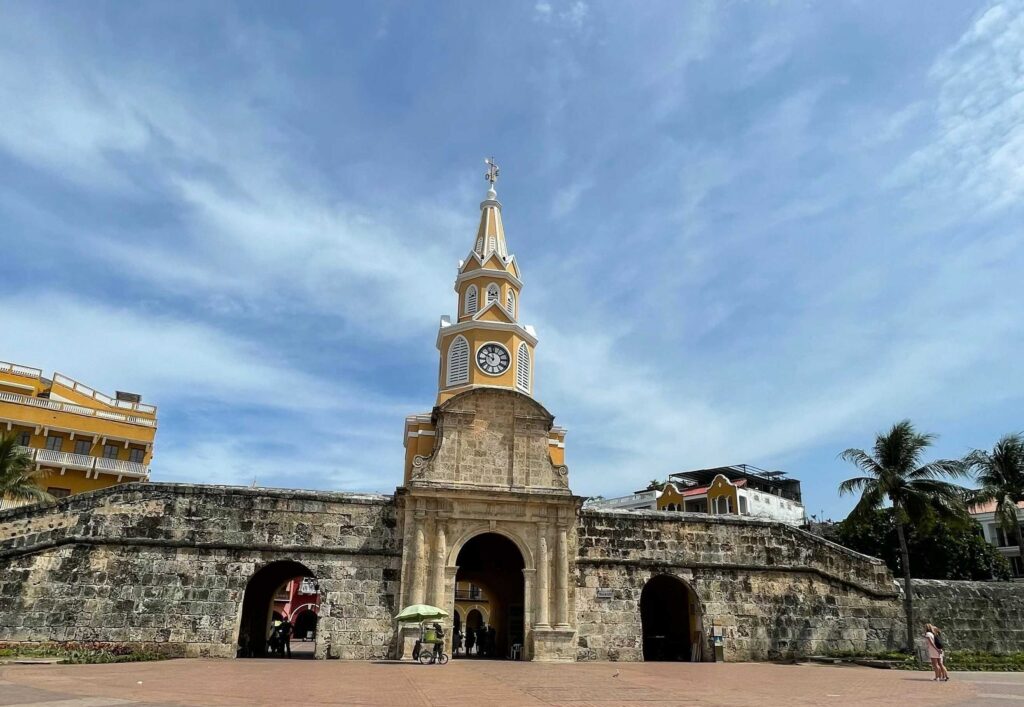
Cartagena, Colombia, is a city known for its rich cultural heritage, with neighborhoods that have played a crucial role in preserving its unique identity. These areas showcase traditions, artistic expressions, gastronomy, religious celebrations, music, and community organization that have been passed down through generations. While Cartagena is famous for its Historic Center, with its colonial architecture and walls, the city's cultural diversity extends beyond these well-known attractions to include its cultural neighborhoods.
One such neighborhood is Getsemani, declared a National Heritage site in 2026 by Colombia's Ministry of Culture, Arts and Knowledge, along with the city government and residents. This neighborhood, which has seen growth during the 16th and 17th centuries, reflects the city's popular identity and is marked by its streets, squares, and community spaces that have become settings for social gatherings and cultural expression.
Its history and traditions were instrumental in shaping a distinct identity separate from areas dominated by colonial elites.
Another area that contributes to Cartagena's cultural fabric is San Diego. This neighborhood, along with other parts of the Historic Center, is integral to preserving the city's architecture and urban memory. The narrow streets, plazas, traditional homes, and historic buildings of San Diego are part of the heritage complex that has helped maintain the image of the old city.
San Diego is also deeply embedded in the everyday life of Cartagena, contributing to the development of cultural expressions that have evolved over centuries.
Lastly, Manga is an example of Cartagena's urban culture, blending Republican-era architecture with the city's memory. Located on an island connected by bridges, Manga features significant landmarks such as Puente Román, San Sebastián del Pastelillo Fort, and several mansions from the early 20th century. The neighborhood also encompasses port activity, the bay, and spaces related to navigation.
Manga's unique character lies in its combination of architectural heritage with a residential life that has adapted to the city's changes over time, symbolizing Cartagena's evolution from a walled colonial city to a modern urban center connected to port and commercial development.
Written by urgent.news from Colombia One's reporting — not their text. Machine-written — may contain errors; check the original before relying on it.