Cost-of-living crises have lasting impact on inflation expectations: IMF
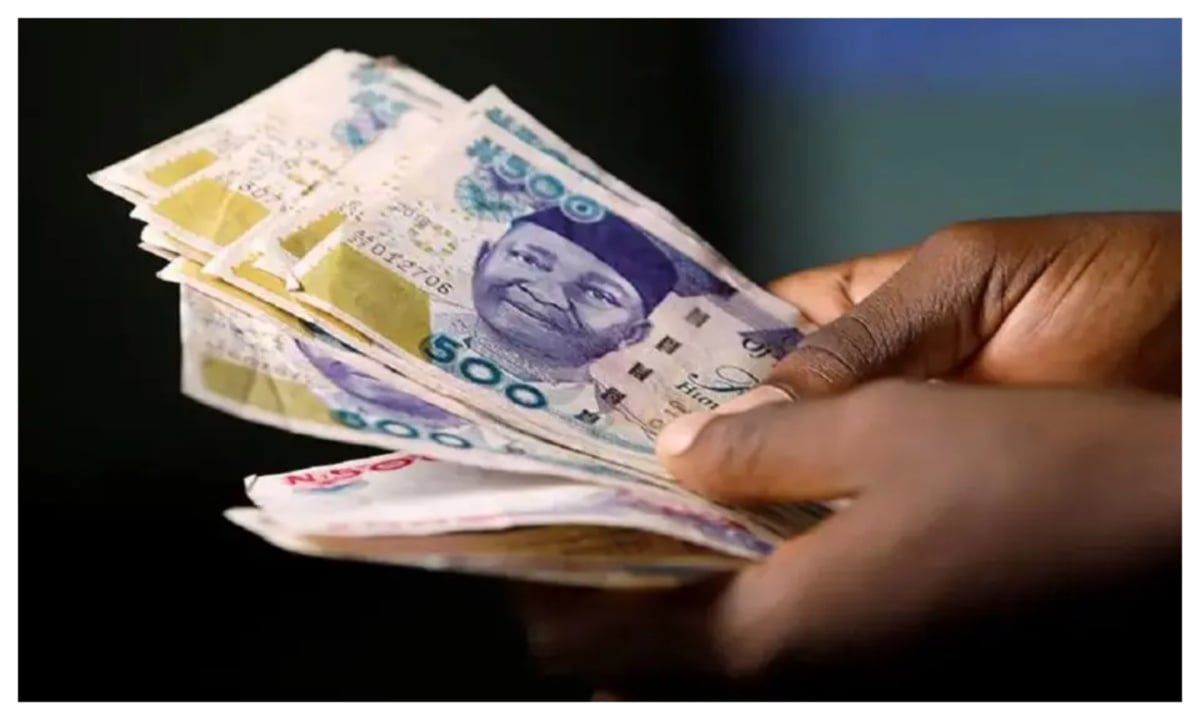
Sharp spikes in food and energy prices will likely become more common, the International Monetary Fund (IMF) said, warning such crises drive inflation expectations higher for longer, worsen poverty an...
The International Monetary Fund (IMF) warns that lingering cost-of-living crises can have lasting effects on inflation expectations, exacerbating poverty and threatening economic stability. The IMF's research reveals that sharp increases in food and energy prices are becoming more common due to crises like Russia's invasion of Ukraine and the ongoing war in the Middle East. These crises drive up inflation expectations, especially among poorer households who spend a larger portion of their budgets on daily necessities.
The IMF's new model shows a 0.8 percentage point gap from the standard inflation measure, indicating that 23 million more people fell into extreme poverty between 2021 and 2024 compared to previous estimates. This cost-of-living crisis impacts price stability, reduces living standards, and widens inequality. IMF economist Chiara Maggi states that cost-of-living crises undermine economic stability, as inflation expectations remain significantly higher even three years after the crisis begins.
The IMF suggests targeted transfers as the most effective way to protect vulnerable populations while preserving price signals. Actions to suppress prices, such as price controls and lower consumption taxes, could be 3 to 6 times more expensive to implement. Producer subsidies, favored by developing countries, are inefficient as they may lower costs for exported goods, forcing domestic taxpayers to subsidize consumers abroad.
Economist Shantayanan Devarajan warns that developing nations face a severe crisis due to rising oil prices, high debt levels, increased borrowing costs, and the impact of this year's super El Niño weather pattern. Devarajan urges countries to transition away from broad subsidies towards targeted cash transfers and to implement reforms to boost growth and mitigate the effects of the Middle East war.
He emphasizes that implementing such measures is crucial when crises strike, as resistance will be significant once the crisis has taken hold.
Written by urgent.news from Gulf Times Business's reporting — not their text. Machine-written — may contain errors; check the original before relying on it.
This story
This is one outlet's version. Read the fullest account.