Bringing predictive analytics to the agentic AI era
In 2026, the question for enterprise AI is no longer whether predictive models can outperform statistical forecasts—that argument is settled. The big question now is how to enable predictive systems to act on their own conclusions without drifting from business intent. The frontier has moved from prediction to autonomous decision making, and the gap between…
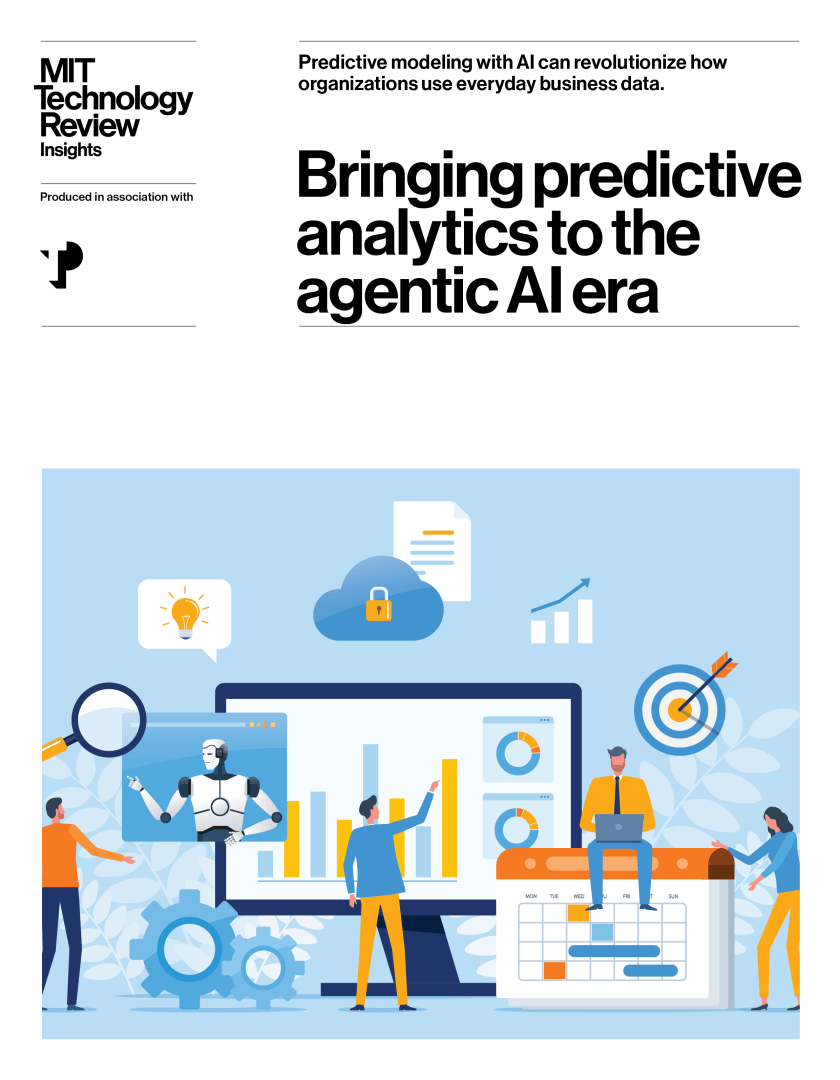
In 2026, the focus for enterprise AI transitions from the question of whether predictive models can outperform statistical forecasts to how predictive systems can autonomously act upon their conclusions while adhering to business intent. The focus is shifting from prediction to autonomous decision making, with the gap between leaders and laggards growing accordingly.
Vishal Gupta, a partner at research firm Everest Group, notes that enterprises are moving away from a backward-looking perspective and embracing a forward-thinking approach.
Intelligent analytics, driven by technologies such as deep learning and generative AI, are making this shift possible. Real-time training enables AI to continuously adapt without the need for quarterly updates. Additionally, the data sources for predictive engines have expanded beyond neat, numerical records to include unstructured, insight-rich interactions.
As a result, AI-powered analytics are enabling enterprises to move from passive hindsight to pragmatic foresight. AI is elevating predictive analytics to new heights, with the term "analytics" gradually being replaced by "AI".
Written by urgent.news from MIT Technology Review's reporting — not their text. Machine-written — may contain errors; check the original before relying on it.