Bridging Africa's data gap
For decades, a lack of data has held back economic development in countries across Africa.
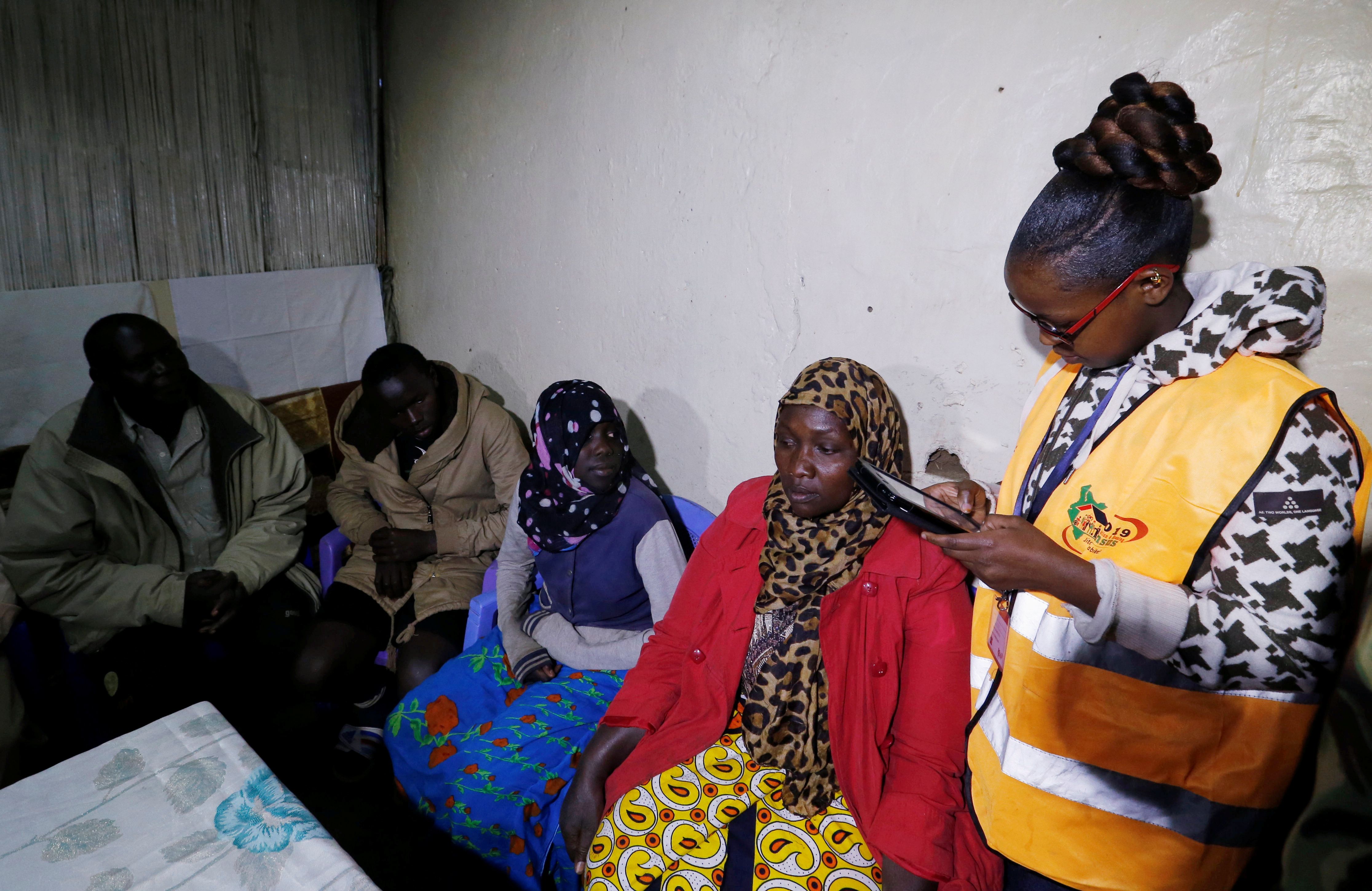
In Ghana, lawmaker Albert Nyakotey Tetteh emphasized the importance of utilizing public sector data for infrastructure development, stating that policymaking without data is akin to guesswork. This sentiment is echoed across Africa, where decades of data scarcity have hindered economic progress. Countries grappling with supply chain disruptions, energy shocks, and Western aid cuts are striving to grasp the extent of their challenges to revise policies accordingly.
Gathering accurate data is a crucial initial step in comprehending aspects such as the value of underground mineral deposits and the funds held in pension schemes. For instance, a health ministry audit in a country revealed that half of the salaried health staff were "ghost workers," a revelation that could have informed better healthcare policy.
However, limited budgets pose a significant obstacle. South Africa, for example, has witnessed a 23% reduction in real terms for Statistics South Africa's budget since 2019, leading to survey cuts and a weakened credibility of its figures. The 2022 census missed nearly a third of the population, distorting public money allocation.
The situation is not unique to South Africa; African statistical offices are experiencing mounting funding pressure due to donor-funded surveys being cancelled or delayed since the end of US funding last year. Nonetheless, there is a glimmer of hope. Artificial intelligence (AI) can aid in enhancing the efficiency and precision of statistical analysis.
The UK's statistics office has turned to AI to mitigate costs and improve data amid financial constraints. Should African officials leverage this technology, it could significantly alleviate the guesswork in policymaking. An Israeli team of scientists recently launched a mobile research lab to collect data across east and southern Africa, aiming to address the significant data gaps in global climate science.
Written by urgent.news from Semafor's reporting — not their text. Machine-written — may contain errors; check the original before relying on it.