Booking Holdings spends nearly $9 billion a year to reach travelers. Its CFO explains how AI is changing trip planning
Ewout Steenbergen says the company is using AI to make travel more personalized and proactive.
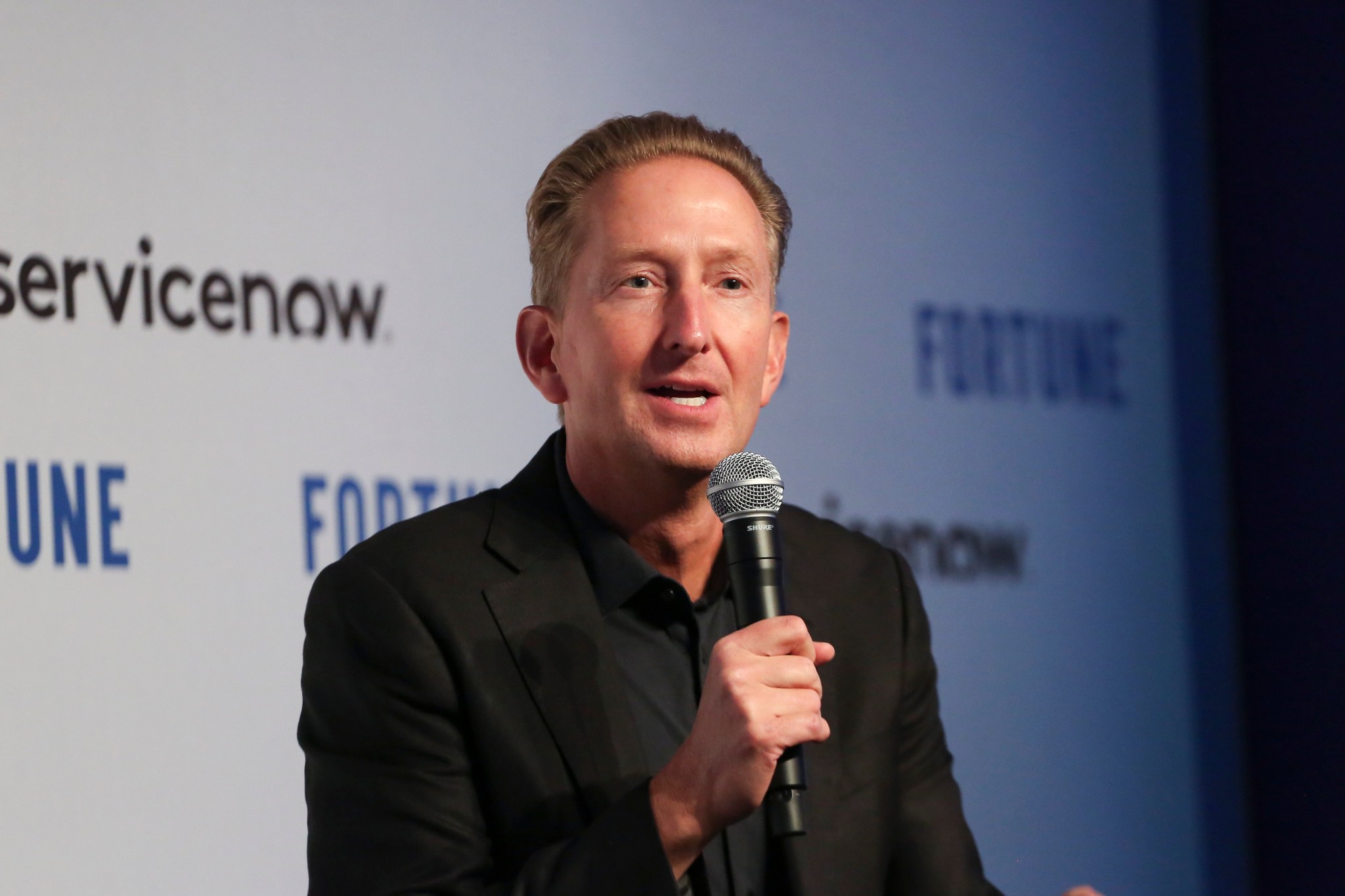
AI is poised to revolutionize travel planning, potentially enhancing the experience before a traveler even steps foot in a hotel or aboard a plane. Ewout Steenbergen, EVP and CFO of Booking Holdings, discussed this at the Fortune AIQ Summit. The future could entail personalized suggestions such as indoor Louvre visits during rainy Paris trips, automatic restaurant reservations after flight delays, and activities tailored to a traveler's preferences and available time.
Booking Holdings, which owns major travel brands like Booking.com, Priceline, and OpenTable, spends around $8-$9 billion annually on customer acquisition, with one-third of its consumer traffic originating from paid channels. About two-thirds of its traffic directly comes to its platforms. Steenbergen views diversification in channels as potentially beneficial for Booking's unit economics. Preliminary data suggests that customers using AI tools book faster, convert at higher rates, and cancel less frequently.
Measuring the financial return on AI investments is challenging, according to Steenbergen. He acknowledges that even major tech companies are uncertain about their ROI on large language models. Instead of layering AI onto existing processes, he advocates for rebuilding processes from the ground up. In customer service, for example, Booking has observed a high single-digit growth in booking units while total customer service costs have declined slightly, leading to lower average servicing cost per booking.
Engineering-wise, Booking's 9,000 technologists have utilized AI tools to increase the number of merge requests put into production by roughly 30%. However, this figure represents code that has been tested and cleared through quality controls, not just generated content. Steenbergen tracks token and licensing costs, employing 'effective model-cost routing' to reserve lower-cost or open-source models for simpler tasks and more expensive models for complex ones. One key metric combines both human and AI costs: total IT cost per merge request.
Steenbergen himself employs AI, having an 'AI coach' and using two AI agents. One assists in board materials and strategic analysis, while the other pressures-test earnings-call preparation.
Written by urgent.news from Fortune's reporting — not their text. Machine-written — may contain errors; check the original before relying on it.
This story
This is one outlet's version. Read the fullest account.