Bogota Water Reserves Remain Strong as El Niño Intensifies
Reservoirs serving Bogota and central Colombia entered October with strong water reserves. However, falling river levels and forecasts for an intensifying El Niño are increasing pressure on water supplies across Cundinamarca. Alfred Ignacio Ballesteros, director of the Regional Autonomous Corporation of Cundinamarca (CAR), said reservoirs in the region and across central Colombia closed September…
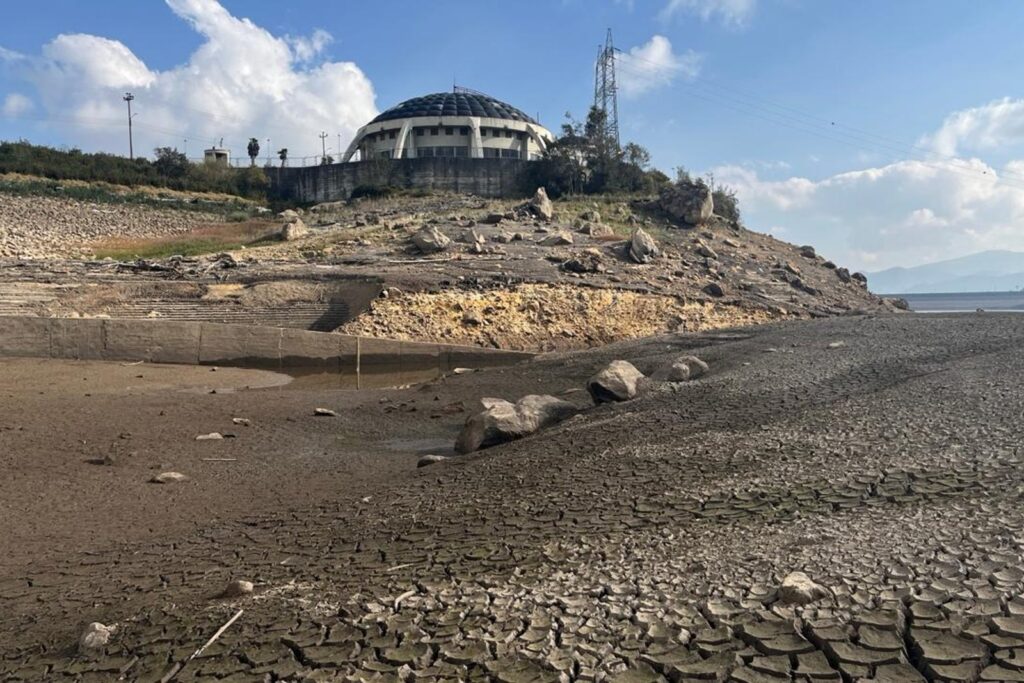
Bogota’s water reserves remain strong despite an intensifying El Niño, according to the Regional Autonomous Corporation of Cundinamarca (CAR). The city’s main water treatment plant, Francisco Wiesner, and other regulated systems have favorable storage levels entering October. However, river flows in several basins have dropped dramatically, with the Negro River at just 2% of its reference flow.
CAR director Alfred Ignacio Ballesteros warned that while high reservoir levels provide a strategic buffer, they do not indicate abundant water across the region. Municipalities and communities that depend directly on local rivers and streams are more exposed to prolonged reductions in rainfall.
The intensifying El Niño, now classified as very strong by NOAA and IDEAM, has increased the likelihood of characteristic impacts such as drought, heat, and vegetation fires. While El Niño does not eliminate rainfall, it can alter rainfall and temperature patterns, increasing the risk of drought in affected areas.
The CAR is urging responsible water consumption while monitoring regional water sources. They may review water concessions in high-risk areas to prioritize human consumption. Though El Niño does not guarantee specific effects everywhere, its strengthening is expected to continue through the end of 2026, potentially peaking toward the end of that year.
Written by urgent.news from Colombia One's reporting — not their text. Machine-written — may contain errors; check the original before relying on it.