Beri perhatian 7 realiti ekonomi dalam Belanjawan 2027, pemimpin PAS beritahu kerajaan
Ahli Parlimen Bachok berkata pertumbuhan ekonomi 6% belum menggambarkan keadaan sebenar rakyat yang berdepan kos sara hidup, hilang pekerjaan, upah rendah dan tekanan kewangan.
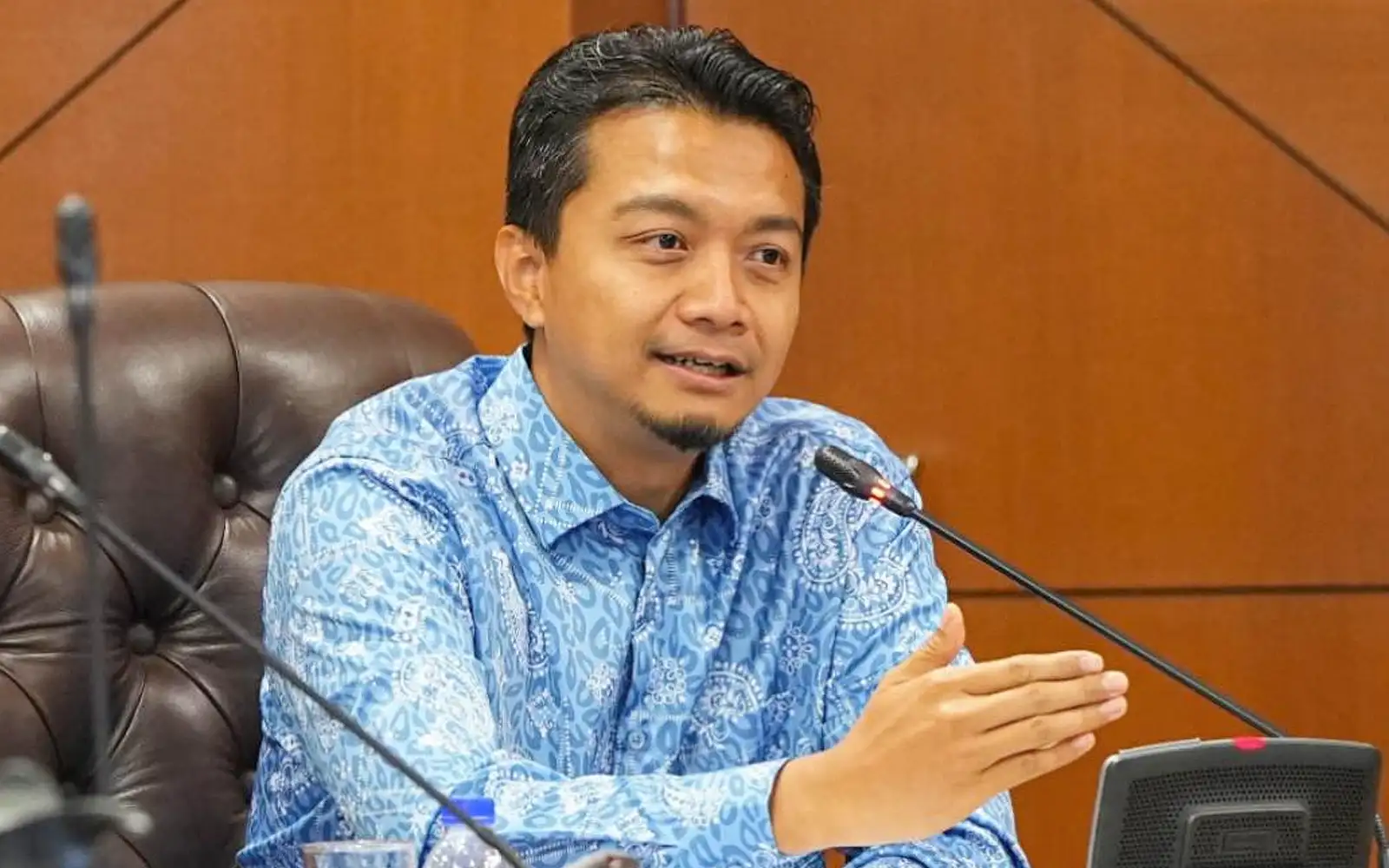
Minister of Finance Syahir Sulaiman, a member of the opposition party PAS, has called for seven key economic realities to be addressed in the 2027 budget, despite Malaysia's economy growing by 6% in the second half of 2026. The seven realities include the need for focus on household income, job stability, and the pressure on living costs, particularly for middle-income families (M40).
Even though the economy is expanding, the improvement in the labor market, a stronger ringgit, and the approval of RM218.5 billion in investments so far this year do not automatically translate into an improved standard of living for the populace. The first reality is that the government's fiscal space is increasingly constrained, with the fiscal deficit falling from 6.4% in 2021 to 3.7% in 2025, while subsidies for fuel are estimated to reach RM40 billion this year.
The second reality is that the cost of living continues to strain household incomes, even though the official inflation rate is only 1.8% in July, as this figure may not accurately reflect the spending patterns of every family. The third reality is that job losses are still occurring, with 68,177 workers losing their jobs between January and September this year, requiring support to re-enter the job market.
The fourth reality is that micro, small, and medium enterprises (PMKS) are facing challenges with costs and demand, as well as competition from e-commerce platforms and the influx of foreign labor in the food and beverage sector, putting pressure on local entrepreneurs. Families with the lowest incomes are increasingly struggling to make ends meet.
According to the Khazanah Research Institute (KRI), the average savings of the bottom 10% of households fell by 81%, from RM219 in 2019 to RM41 in 2024. The fifth reality is that low wages are continuing to widen, with the median monthly salary for formal sector workers in February 2026 being only RM3,027, with 10% of workers earning less than RM1,700 and 20% earning less than RM1,800.
The sixth reality is that the younger generation is increasingly reliant on gig economy jobs, with a survey by the Department of Statistics Malaysia (DOSM) finding that 97% of workers aged 15 to 30 rely on gig work, with 70% making it their primary source of income and 74% depending on it as their main source of income. Syahir has urged the government to address the seventh reality, which is that younger generations are increasingly relying on gig economy jobs, with a survey by the Department of Statistics Malaysia (DOSM) finding that 97% of workers aged 15 to 30 rely on gig work, with 70% making it their primary source of income and 74% depending on it as their main source of income.
Syahir urged the government to pay attention to the M40 group, facing rising costs for healthcare, childcare, education, and housing. He noted that this is particularly challenging for "sandwich generation" families, who must care for both children and aging parents. "As we approach the 2027 budget, attention should be given to household income, job stability, and the pressure on living costs, particularly for the M40 group, who are the backbone of the country's economic growth," Syahir said.
Written by urgent.news from Free Malaysia Today's reporting — not their text. Machine-written — may contain errors; check the original before relying on it.
Also reported by 1 other outlet
- Beri perhatian 7 realiti ekonomi dalam Belanjawan 2027, pemimpin PAS beritahu kerajaan freemalaysiatoday.com