Audit existing sanitary sites to address waste management land shortages – WasteCare CEO urges assemblies
Public health engineering expert and Chief Executive Officer of Waste Care Associates, Lukman Salifu, has urged metropolitan, municipal and district assemblies to audit land originally reserved for sanitary sites as they seek space for waste transfer facilities.
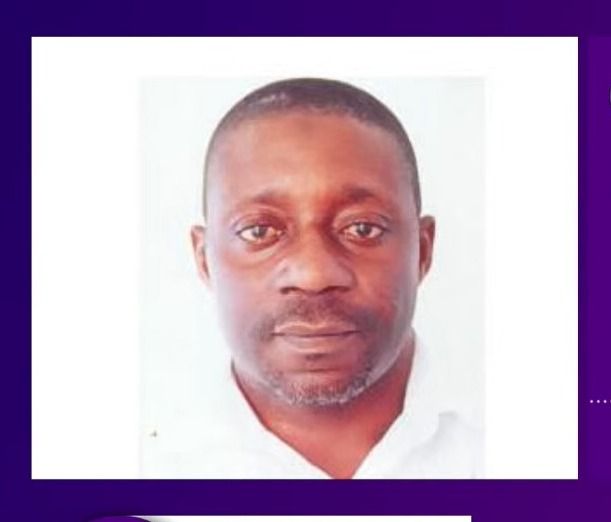
Waste management expert Lukman Salifu has advised metropolitan, municipal, and district assemblies to conduct an audit of land earmarked for sanitary sites as they search for space for waste transfer facilities. This recommendation came after Local Government Minister Mahama Ayarigah instructed assemblies to allocate one acre of land for waste transfer stations and locate land for landfill development.
Salifu, the CEO of Waste Care Associates, suggested that reviewing existing community layouts could help assemblies determine whether designated sanitary sites remained available or had been encroached upon. He questioned why these original sites were no longer present and if they had been compromised. During an interview on JoyFM's Super Morning Show, Salifu emphasized that the audit should also ascertain whether assemblies could legally reclaim encroached sites.
If recovery was impossible, alternative locations and waste management arrangements would need to be considered.
The provision of sanitary sites is an established planning concept, explained Salifu, referencing the Town and Country Planning Ordinance of 1945. This legislation already includes provisions for sanitary sites in communities, with designated spaces incorporated into many layouts. According to Salifu, a prior study identified 49 such sites. He urged assemblies to revisit these findings and assess the current status of the land.
Salifu explained that waste transfer stations vary in scale, from communal container sites to larger facilities used for transporting waste over longer distances. At the community level, some sorting could be done in communal containers, while larger transfer stations enable smaller collection vehicles to unload their contents for transportation to disposal sites by larger vehicles.
He also advocated for separating organic and inorganic waste at the household level via a two-bin system, noting that nearly 60% of solid waste is organic. By separating these waste streams, Salifu argued that waste-to-energy operations could be supported, with organic material used for biogas production through biomethanation and suitable inorganic waste directed towards incineration for energy generation.
While acknowledging that Ghana still requires landfills alongside modern treatment technologies, Salifu called on Accra to prioritize waste-to-energy options. He noted that Ghana had strayed from this path but encouraged a return to building from the ground up.
Written by urgent.news from MyJoyOnline Ghana's reporting — not their text. Machine-written — may contain errors; check the original before relying on it.