Así queda el calendario para las elecciones del 29-N. Comienzo de la campaña electoral y otras fechas clave
El decreto de disolución de las Cortes fija el día de los comicios y activa a la Diputación Permanente
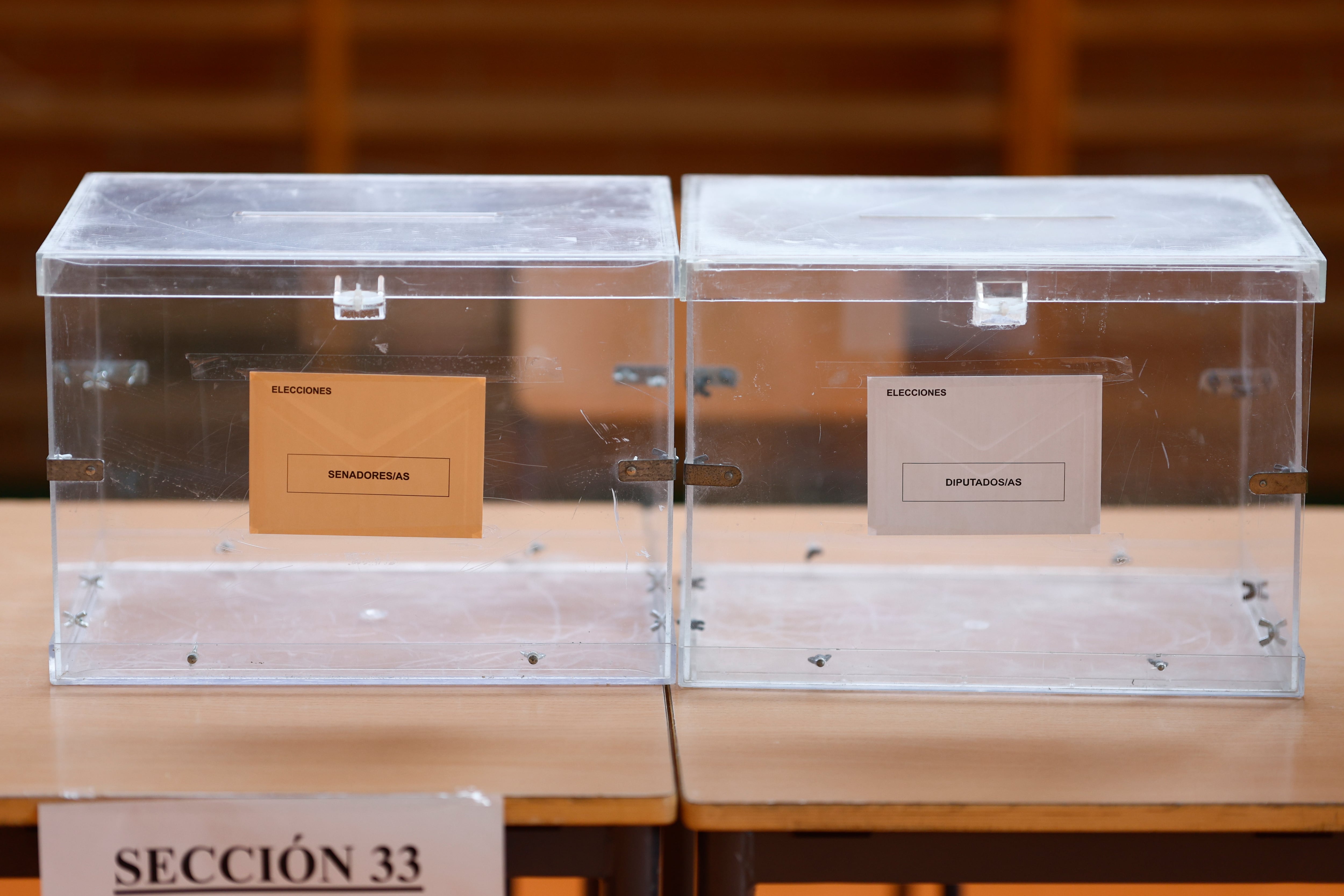
Once the Spanish Government's president announces the call for general elections on November 29, a machinery is activated with a series of deadlines and changes in the functioning of ordinary political activity. These include the publication of a Real Decreto that officially calls for the vote, the functioning of the permanent delegations of the Congress and Senate to ensure the power of the Cortes during this period, or the deadlines of the forthcoming electoral campaign.
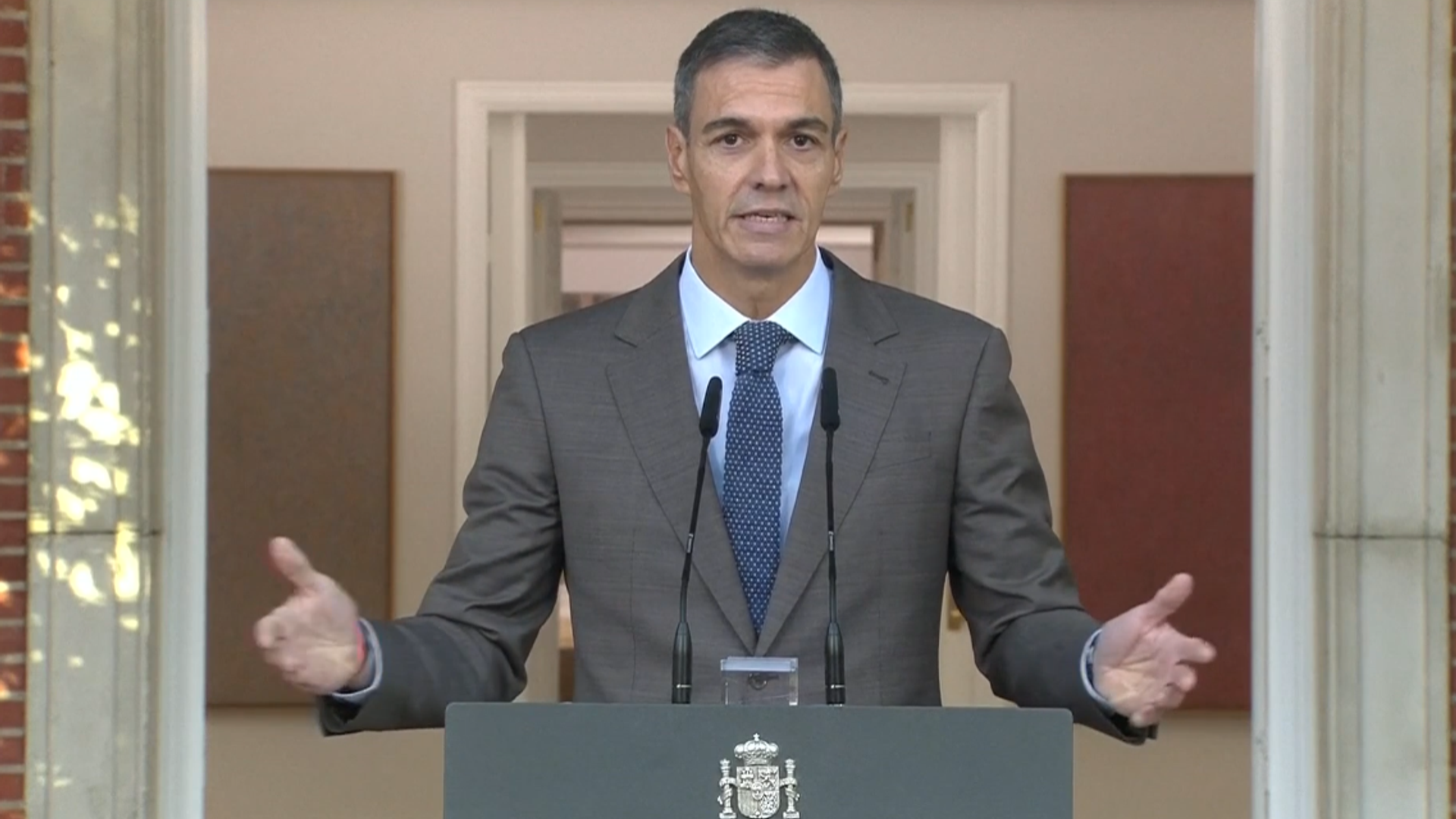
The key milestones are as follows. Day zero: the decision. The Executive President communicates his intention to dissolve the Cortes (Congress and Senate) and call elections, a decision that falls under his "exclusive responsibility," as stated in Article 115 of the Spanish Constitution. However, prior to this, the Council of Ministers must deliberate on the decision, and it is the King who issues the decree.
The decree is not official until it is published in the Boletín Oficial del Estado, which typically occurs the day after the announcement. This is when the clock starts ticking until the elections. Countdown to the elections. The Real Decreto dissolving the Congress and Senate and calling for elections is quite brief, with the last one published on May 30, 2023, setting the date for the last general elections held on Sunday, July 23, 2023.
This decree resolved the dissolution of the Congress and Senate, fixed the date of elections, the start and end of the electoral campaign, and the future constitution of the Cortes. It also listed the deputies and senators to be voted on in each constituency and the rules governing the elections: the Organic Law 5/1985 on the General Electoral Regime, and its provisions.
Election day. Elections must be held 54 days after the publication of the decree in the BOE, as stipulated in Article 42 of the Organic Law on the General Electoral Regime (Loreg). Prime Minister Sánchez has announced that the elections will be on November 29, so the decree must be published today. Activation of permanent delegations.
As soon as the Real Decreto enters into force, the Permanent Delegations of each Chamber (Senate and Congress) begin to function to avoid an institutional vacuum until the new Cortes are constituted. These reduced bodies have limited competencies (such as validating emergency decrees or requesting extraordinary sessions). Their work ends with the constitution of the new Cortes and the swearing-in of the elected deputies and senators.
Announcement of candidatures and electoral campaign. As soon as the signal is given, political parties will start proposing their candidatures and designing their campaigns. The representatives of the political formations must register them with the provincial electoral board between the 15th and 20th days following the electoral convocation, according to Article 45 of the General Electoral Regime Law.
If published today, this would correspond to October 21 and 26. The electoral campaign begins 15 days before the voting day, also called the reflection day, as from that moment it is not allowed to solicit the vote from citizens. Prime Minister Sánchez has called for elections on November 29, so the campaign will begin on Friday, November 13 at midnight and end at 24:00 on Friday, November 27.
The reflection day will be Saturday, November 28. Constitution of the Chambers. The Senate and Congress must be reconstituted within 25 days following the elections, as stated in Article 68.6 of the Constitution. The deadline coincides with Christmas Eve, next December 24.
Written by urgent.news from El Pais's reporting — not their text. Machine-written — may contain errors; check the original before relying on it.