Aramco chief sounds alarm as global oil stocks hit critical lows
RIYADH — Saudi Aramco CEO Amin Nasser warned that global oil stockpiles have fallen to alarmingly low levels, leaving energy markets vulnerable to further supply disruptions unless the Strait of Hormuz fully reopens. “Rebuilding reserves depleted during the Middle East conflict could take up to two years,” he said while speaking at the 2026 Energy Intelligence Forum in London.Nasser said…
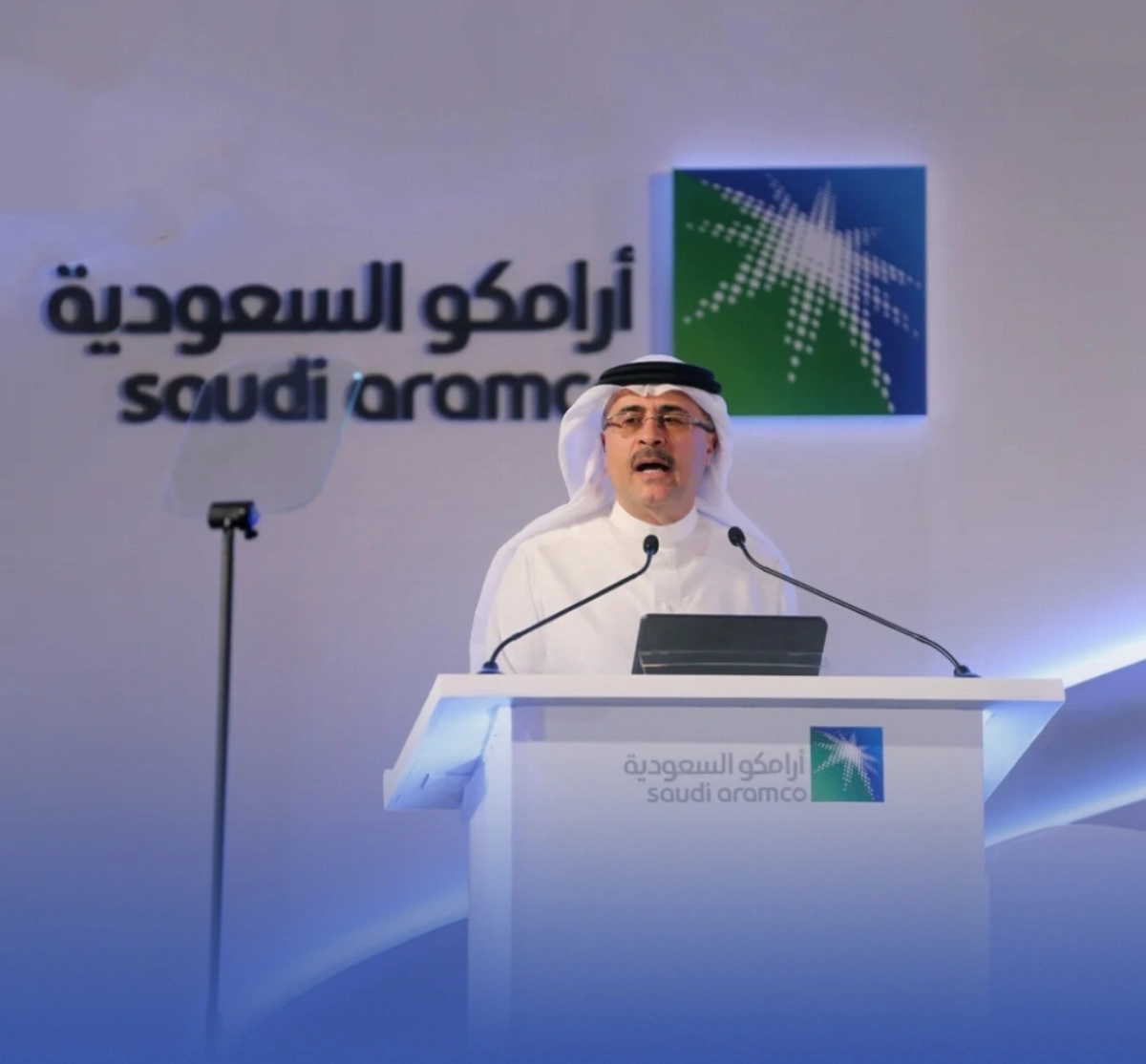
Riyadh — Saudi Aramco CEO Amin Nasser has cautioned that global oil reserves have plummeted to critically low levels, jeopardizing energy markets against potential supply interruptions unless the Strait of Hormuz reopens entirely. "Restocking reserves depleted during the Middle East conflict may take up to two years," he stated during a speech at the 2026 Energy Intelligence Forum in London.Nasser highlighted that emergency draws from strategic petroleum reserves by leading nations might offer temporary relief but would not address the fundamental supply-demand imbalances in the global energy sector.
"The seven-month conflict between the United States, Israel, and Iran resulted in a loss of around 3 billion barrels of oil supplies in the region, equivalent to nearly half of the crude oil and refined products that would have passed through the Strait of Hormuz during that time," he explained."Over one billion barrels were drawn from oil reserves to alleviate the impact of the supply scarcity, while governments released more than 300 million barrels from strategic reserves, with plans to release further quantities," the Aramco CEO noted.The majority of the compensatory supply originated from company reserves, which he characterized as "the final major instrument available" to bolster the market.Nasser reported that worldwide commercial inventories are currently below 6 billion barrels.
"Most of these figures are not practically accessible for immediate utilization," he emphasized.Nasser pointed out that the global energy system is already under strain, warning that the safety margin to guarantee uninterrupted supplies has become extremely limited, given the scarce options remaining for the markets. He noted that advanced technologies, such as satellite imagery and open databases of ship movements, are being utilized more frequently to target energy infrastructure and oil tankers.
He stated that in recent weeks, ships passing through the Strait of Hormuz have been targeted, along with pipelines, refineries, and Aramco's facilities, stressing that "transparency tools should not be weaponized."The Aramco chief stressed that the market continues to grapple with a supply shortage and high transportation costs, amidst spot prices for North Sea crude reaching their highest levels since April.He stated that replenishing reserves while simultaneously meeting global demand could take up to two years even after the conflict concludes, urging governments to prioritize energy security and enhance the resilience of supply chains.Nasser indicated that Aramco is investigating alternative export routes for Saudi crude, alongside expanding storage facilities outside the Kingdom, to improve supply reliability and safeguard customers against potential disruptions in global energy markets.
Written by urgent.news from Saudi Gazette's reporting — not their text. Machine-written — may contain errors; check the original before relying on it.