APTTA seeks permission to import wood logs with bark
KARACHI: Pakistan’s multibillion-rupee wood industry is facing serious challenges due to regulatory restrictions on wood imports, prompting the wood traders to urge the government to allow the import of wood logs with bark, subject to fumigation upon arrival and controlled debarking under the supervision of the Department of Plant Protection (DPP). They have also called for rationalising Plant…
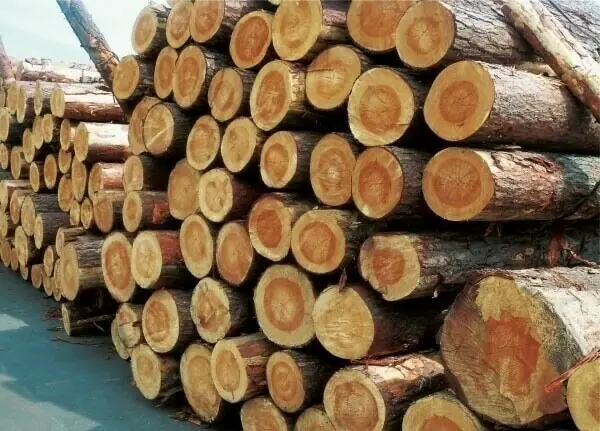
KARACHI: Pakistan's crucial wood industry is grappling with regulatory hurdles surrounding wood imports, compelling traders to advocate for the import of wood logs with bark, provided they undergo fumigation en route and controlled debarking under the Department of Plant Protection's (DPP) supervision. The All-Pakistan Timber Traders Association (APTTA) is also pushing for a reduction in Plant Protection Release Order (PPRO) charges from Rs1,000 to Rs55 per metric ton, aligning with the rates for goods in Chapters 07 and 52.
The association contends that mandatory pre-shipment debarking could compromise the commercial quality of wood, as it exposes logs to moisture loss, surface checking, cracking, blue stain, and discoloration during transport and storage. The APTTA has been raising this concern since the introduction of the Import Policy Order 2022, despite multiple attempts to address the matter over the past four years through correspondence, meetings, and visits to Islamabad.
They propose allowing wood logs to enter Pakistan with bark, followed by fumigation upon arrival and controlled debarking at designated facilities. The proposed mechanism would uphold existing phytosanitary safeguards, including permits, Phytosanitary Certificates, prescribed treatments, controlled debarking, and final clearance.
The association also seeks exemption of sawn timber from additional PPRO requirements, as it already adheres to phytosanitary treatment standards, including Kiln Drying, Heat Treatment, or fumigation. The APTTA has urged the government to issue valid import permits for a year instead of six months, to streamline procurement, shipment planning, and supply.
Additionally, they highlighted the substantial rise in PPRO charges, which were increased from approximately Rs5,000 per Bill of Lading to Rs1,000 per metric ton for wood imports, significantly heightening the cost of importing a vital industrial raw material. The APTTA emphasized that Pakistan's limited domestic forest resources necessitate substantial imports of wood for the timber, furniture, construction, and allied industries, which provide livelihoods for approximately 1.1 million people.
The association urged an urgent meeting with federal authorities, stressing that the pre-shipment debarking and fumigation issue for wood logs remains unresolved since 2022, while the increased PPRO charges impose an immediate financial strain on the industry, potentially escalating production costs throughout the downstream supply chain.
Written by urgent.news from Business Recorder's reporting — not their text. Machine-written — may contain errors; check the original before relying on it.