Ancient Egyptians sacrificed pharaohs' servants so they could continue to serve their king in the afterlife, new study finds
The ancient Egyptians practiced human sacrifice around 5,000 years ago, a new study finds.
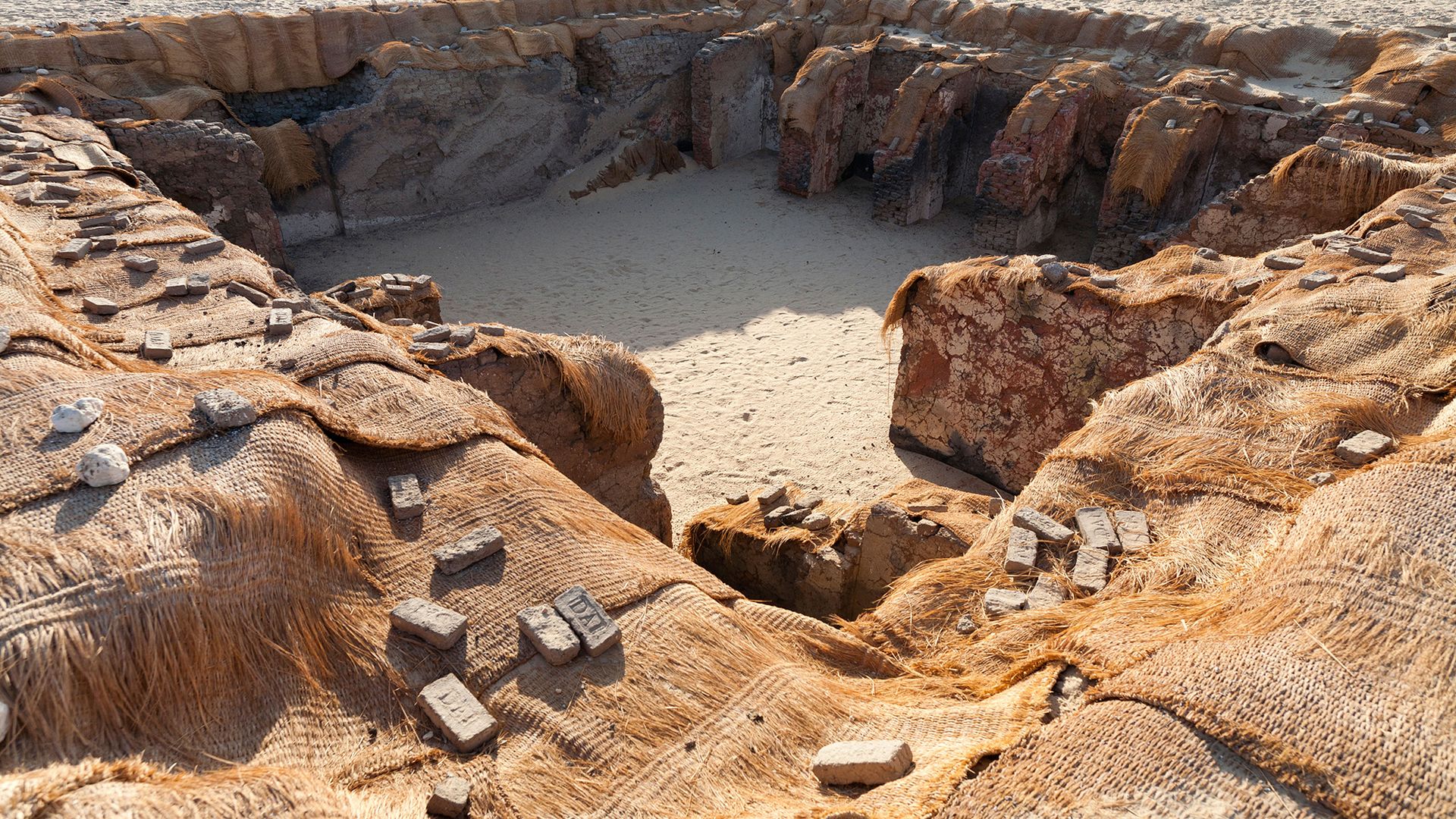
Around 5,000 years ago, during the unification of ancient Egypt, the country practiced human sacrifice, a new study reveals. Anthropology researcher Roselyn Campbell from Purdue University re-examined 46 skulls from individuals who were buried near royal tombs belonging to King Djer, King Djet, and Meretneith, who likely ruled Egypt during the first dynasty.
These rulers lived shortly after the country's unification. The sacrificed retainers were buried next to their king's tomb, with researchers initially believing they were nonroyals who served the king. However, modern forensic techniques have shown that 18 of the skulls had signs of fatal trauma, indicating they were likely sacrificed to continue serving the king in the afterlife.
The most likely tool used for this sacrifice would have been a flat, relatively light object, possibly made of wood, according to the study published in Frontiers in Environmental Archaeology. The practice of human sacrifice seems to have ended during the second dynasty, lasting for around two centuries or possibly less.
Written by urgent.news from Live Science's reporting — not their text. Machine-written — may contain errors; check the original before relying on it.