Abu Dhabi in the 1950s: Rare glimpses of life before the oil boom
Abu Dhabi in the 1950s was a small coastal settlement, vastly different from the modern capital it would become. Gulf News archives describe a community of about 3,000 people in 1953, where families lived in traditional homes and children often played barefoot in the desert. Life revolved around the sea and traditional livelihoods. Fishing, pearling and small-scale trading supported many…
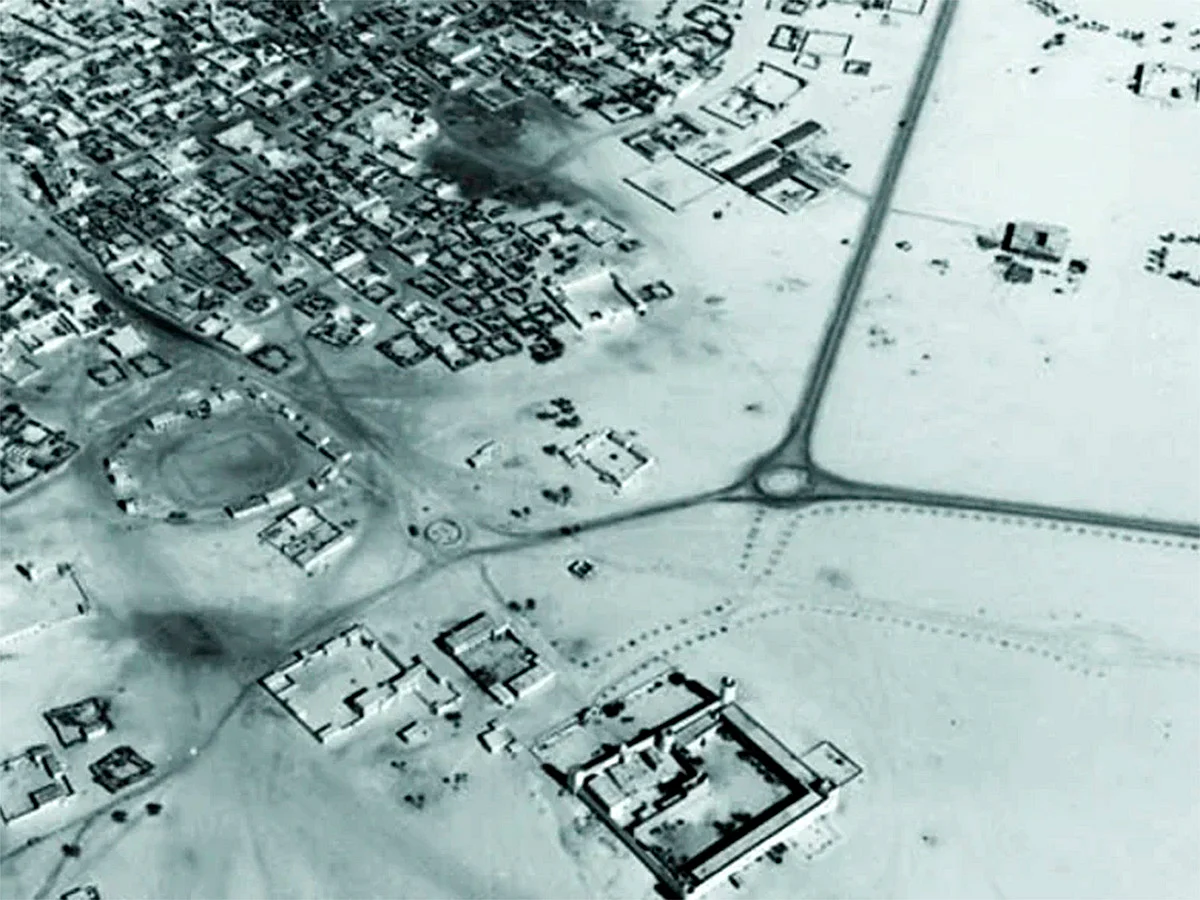
In the 1950s, Abu Dhabi was a small coastal settlement, far removed from the modern metropolis it would become. With a population of approximately 3,000 residents in 1953, the community lived in traditional homes, and children played barefoot in the desert. The daily lives of the people were centered around the sea and traditional occupations such as fishing, pearling, and small-scale trading.
The infrastructure was rudimentary, with limited roads and modern facilities. Homes were crafted to withstand the intense climate, and routines aligned with the cycles of the seasons and the sea. A causeway had been constructed across Al Maqta Channel in the early 1950s, facilitating travel between Abu Dhabi Island and the mainland.
However, the horizon was slowly changing. Oil exploration was gaining momentum, culminating in the discovery of oil at Umm Shaif in 1958. Concurrently, archaeological excavations at Umm Al Nar shed light on the emirate's ancient history. These archived photographs provide a glimpse into Abu Dhabi at a critical juncture - just before oil revolutionized its economy, landscape, and lifestyle.
One of the first places to receive oil drilling equipment was Khor Al Ghanadhah in Abu Dhabi in 1949, signaling the nascent stages of the emirate's journey toward oil exploration.
In 1950, Emirati guards patrolled the causeway linking the mainland to Abu Dhabi Island, making their way towards the ancient guard tower situated in the middle of the channel. The image predates the construction of the first Maqta Bridge in 1967, which was later extended and joined by the Sheikh Zayed Bridge in 2010. Sheikh Shakbout Bin Sultan Al Nahyan, the Ruler of Abu Dhabi, extended a warm welcome to T. Hillyard, the Representative of Abu Dhabi Marine Areas Ltd.
The 1950s Abu Dhabi witnessed the establishment of traffic control, with a traffic policeman directing vehicles in front of the Abu Dhabi Municipality building. Traditional houses, constructed using dried palm fronds, or 'areesh' as it was known in Arabic, were ubiquitous across the emirates. These homes were prevalent before concrete construction became the norm in the 1960s.
The early days of oil drilling operations in Abu Dhabi, which led to the discovery of oil in 1953, marked the inception of a profound transformation for the emirate.
Written by urgent.news from Gulf News's reporting — not their text. Machine-written — may contain errors; check the original before relying on it.