600 requirements, two years of work, and a few minutes to send back what matters
Technology Innovation Institute (TII)’s probe for asteroid Justitia is the result of nearly two years of engineering and more than 600 design requirements for the Emirates Mission for Asteroids (EMA). Now, with limited bandwidth and only a brief window after touchdown, the challenge is choosing which data to send home. Dr Elias Tsoutsanis, Chief Researcher, Propulsion and Space Research Centre,…
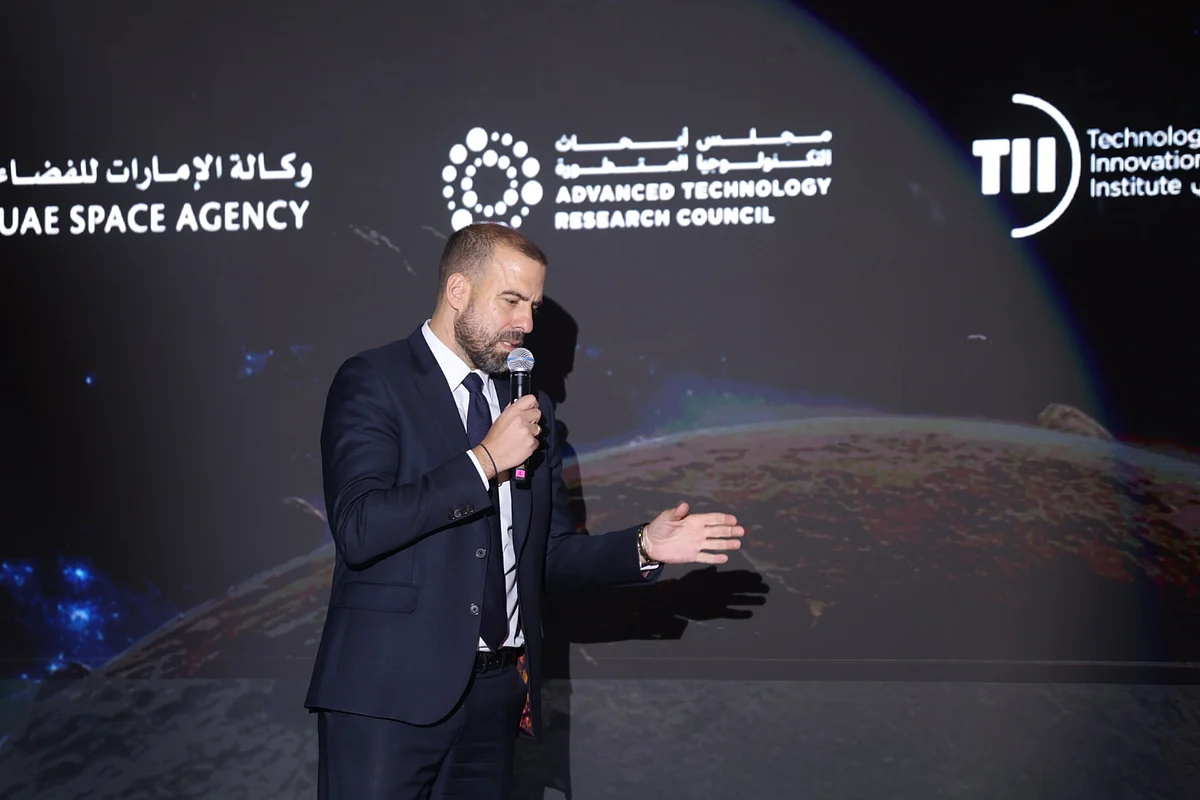
The Technology Innovation Institute (TII) has spent nearly two years and completed over 600 design requirements to create a probe for the Emirates Mission for Asteroids (EMA). This mission aims to study the asteroid Justitia, gathering data on its dimensions and surface composition. However, with limited computing power and bandwidth in deep space, the challenge is deciding what information is worth transmitting back to Earth.
According to Dr. Elias Tsoutsanis, Chief Researcher at TII, not all data can be sent back due to these constraints. The probe will classify images onboard and transmit only the most useful ones to the main spacecraft. Around the time of landing, when the lander is expected to have only a few minutes of battery life, the team hopes to send information about the lander's immediate environment.
However, capturing clear images of the probe's approach to Justitia is considered the most important data to collect. The probe itself was developed by the UAE engineering team over a year and a half, undergoing extensive environmental testing to ensure it can withstand the harsh conditions of space. This mission is not just about scientific discovery but also serves as a practical test of the engineering expertise being developed in Abu Dhabi and throughout the UAE's space sector.
Written by urgent.news from Gulf News's reporting — not their text. Machine-written — may contain errors; check the original before relying on it.