Why Now Is an Ideal Time for Flu Protection
(MedPage Today) -- It's October and time for flu shots. Medical experts urge getting a flu vaccination soon, before influenza starts spreading widely -- and to get up to date on protection against other fall respiratory viruses, too. Updated...
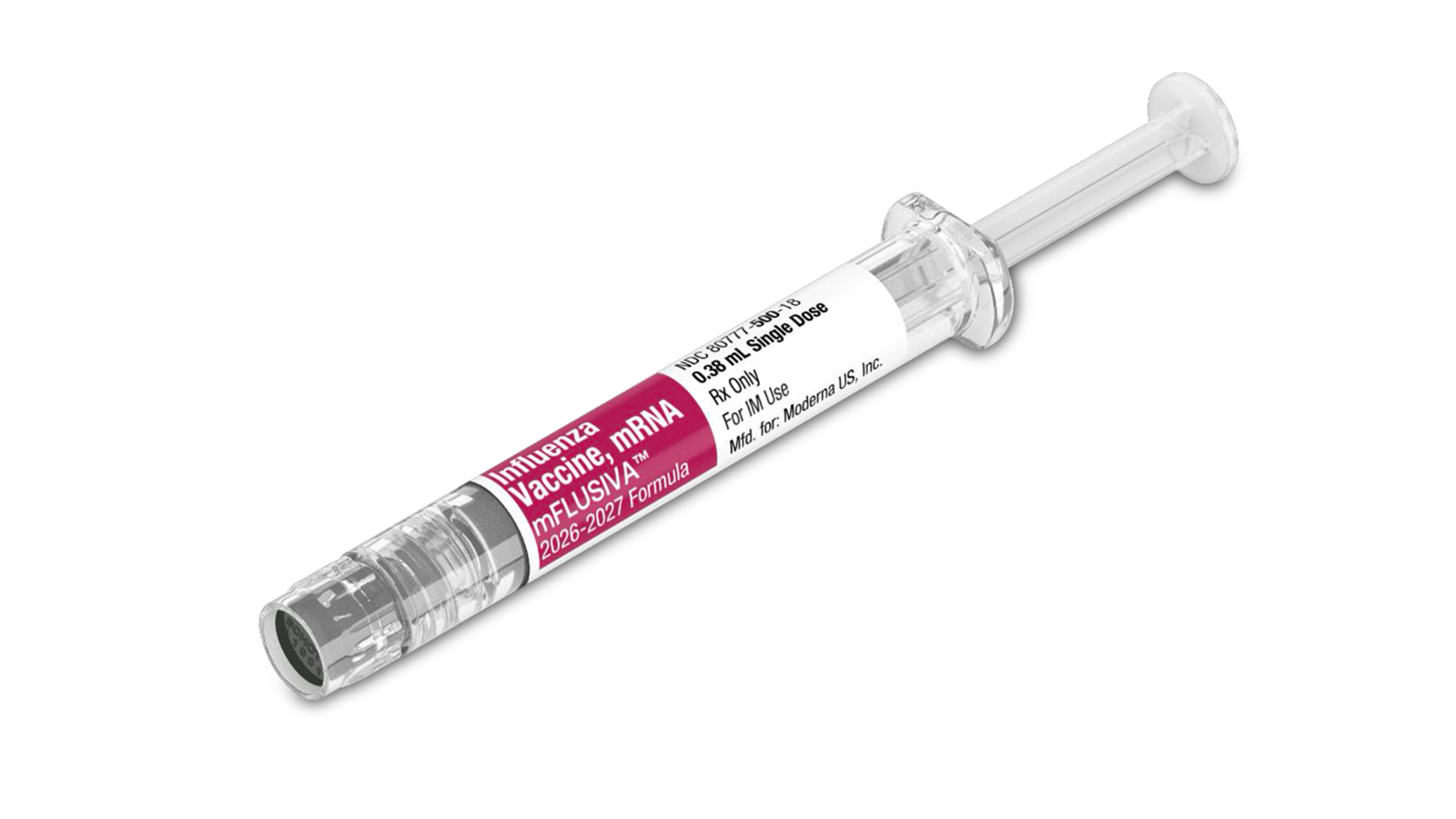
It is October, a time when healthcare professionals advise getting a flu shot. Medical authorities recommend receiving the flu vaccination early in the season, before the virus spreads widely, and to ensure up-to-date protection against other fall respiratory viruses, such as COVID-19 and RSV. Recent updates include available COVID-19 booster shots and vaccines for vulnerable individuals against RSV, a more significant threat during winter months.
While a flu shot cannot guarantee complete prevention of illness, it significantly decreases the risk of severe outcomes. According to the Vaccine Integrity Project, last year's flu vaccine reduced hospitalizations for older adults by 31%. Medical experts emphasize that vaccines are similar to car seatbelts, reducing the risk of the worst outcomes.
Fall vaccine recommendations are typically provided by the Centers for Disease Control and Prevention (CDC) and its independent advisory panel. However, this year, the CDC's advisory panel is embroiled in a legal dispute, and the CDC has not yet updated its guidance. Consequently, various medical organizations, including the American Academy of Pediatrics (AAP), American Academy of Family Physicians (AAFP), American College of Obstetricians and Gynecologists (ACOG), and the Infectious Diseases Society of America (IDSA), have issued their own vaccination guidelines for their patient populations, based on scientific evidence.
Key points to consider:
1. Everyone, starting at age 6 months, should get a flu vaccination.
2. Flu poses a severe risk for the elderly (65+), pregnant women, young children, and individuals with chronic health issues, including asthma, diabetes, heart disease, and weakened immune systems.
3. There are three enhanced flu vaccines designed to better protect seniors, with one approved for individuals aged 50 and older, utilizing mRNA technology similar to COVID-19 vaccines.
4. The nasal spray FluMist is an option for children aged 2 to 49, provided they meet specific health criteria.
5. COVID-19 vaccines, once recommended for everyone by federal health agencies, are now endorsed for all adults by the family physicians, particularly seniors and those with underlying health conditions.
6. The American Academy of Pediatrics (AAP) recommends COVID-19 shots for children aged 6 months to 23 months, and for older children with high-risk health conditions.
7. Adult COVID-19 shots can be administered as a single dose in the fall, with a booster dose 6 months later, as immunity diminishes over time.
8. The American Academy of Family Physicians (AAFP) supports vaccination for all children aged 6 months to 23 months, and for older children with high-risk conditions.
9. Like flu vaccines, COVID-19 shots are most effective at preventing severe disease than mild cases.
10. Common side effects of flu and COVID-19 vaccines are mild and temporary, such as sore arms, fatigue, headaches, muscle aches, and mild fever.
11. Flu and COVID-19 vaccines are widely available at pharmacies, with varying rules across states. Medicare covers the fall vaccines, and private health insurers typically continue to cover them through 2027.
12. It is optimal to receive flu and COVID-19 vaccinations in October, as protection takes about two weeks to develop. However, COVID-19 cases typically surge around the winter holidays, making timely vaccination essential.
Written by urgent.news from MedPage Today's reporting — not their text. Machine-written — may contain errors; check the original before relying on it.