Why airplane mode? Air Arabia reveals what your phone does mid-flight
You hear it on almost every flight: please switch your phone to airplane mode. It is one of those routine instructions passengers follow almost automatically. A quick tap, a familiar icon on the screen, and you are ready for take-off. But have you ever wondered what your phone is actually doing while you are thousands of feet in the air? Why does it need to stop searching for a mobile network,…
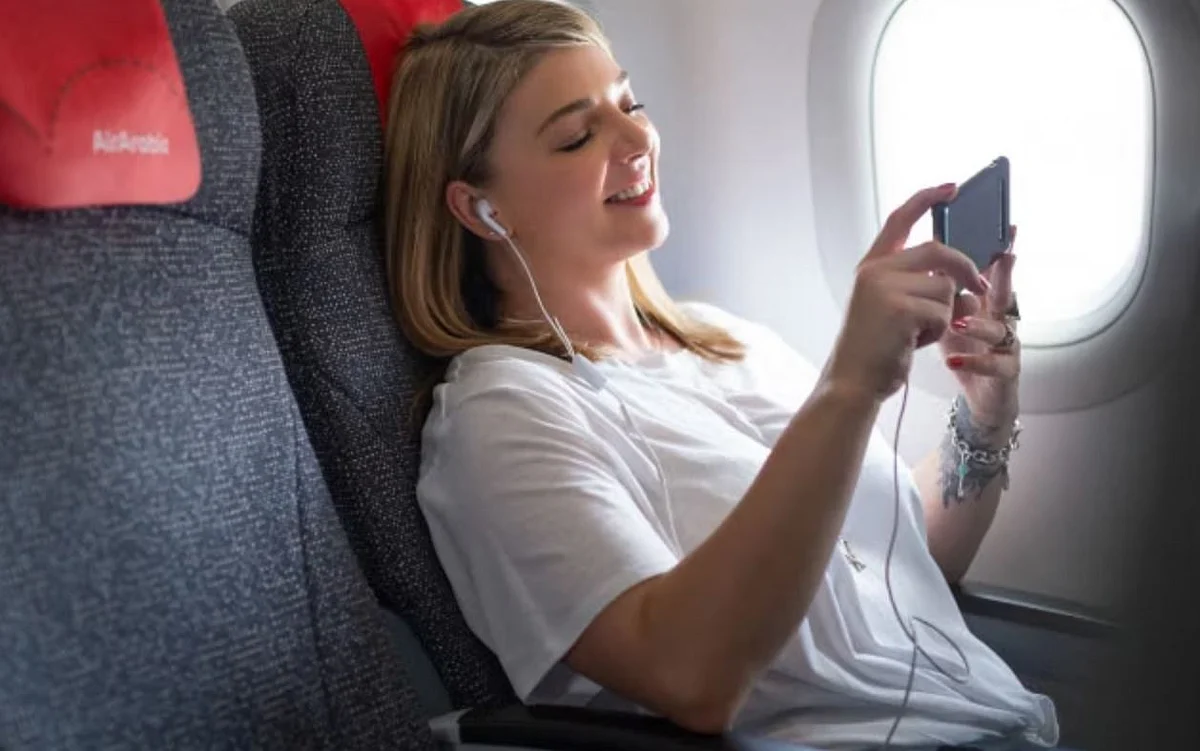
Air Arabia recently explained on social media the reasoning behind the routine pre-flight instruction to switch your phone to airplane mode. The airline pilot in a video advisory revealed that a mobile phone continues searching for a network while flying at high altitude. This constant search for a mobile network drains the phone's battery and reduces pressure on ground-based networks when passengers are near populated areas.
Additionally, airplane mode helps prevent potential interference with aircraft communications, although there is no evidence that a mobile phone has caused an aircraft to crash. Modern aircraft and telecommunications systems have evolved, making interference increasingly rare. Airplane mode does not mean you must put your phone away; passengers can still use their devices to take photos, watch downloaded movies, and listen to music.
Written by urgent.news from Gulf News's reporting — not their text. Machine-written — may contain errors; check the original before relying on it.