Welttierschutztag: Hinter der Kuschelfassade: Die erstaunliche Welt der Koalas
Koalas sind keine Kuscheltiere. Hinter der flauschigen Fassade stecken eigenwillige Spezialisten – und eine Art, die zunehmend unter Druck steht. Zu Besuch im ältesten Koala-Schutzzentrum der Welt.
Welttierschutztag: Hinter der Kuschelfassade - Die erstaunliche Welt der Koalas
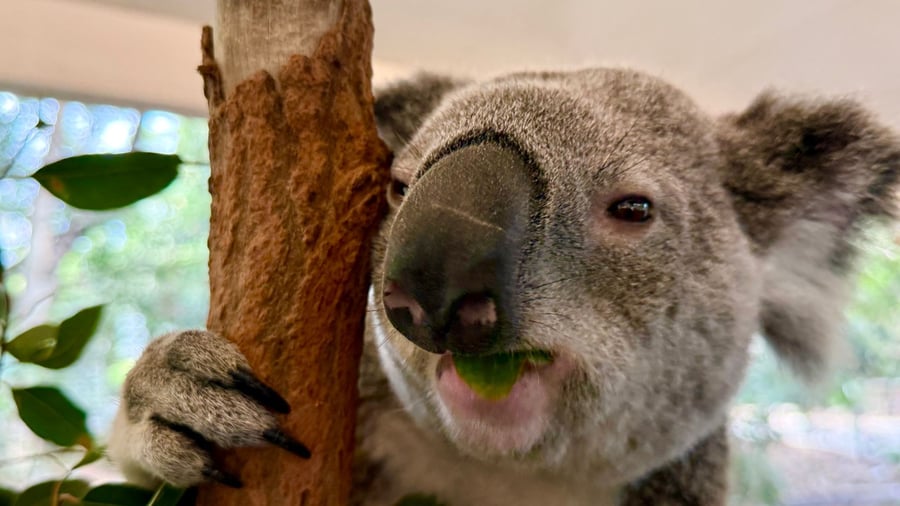
Maximus, a strikingly imposing koala, weighs in at 10 kilograms, an unusual amount for his species. At 18 years old, he has reached a remarkable age for an Australian marsupial. With large ears, button eyes, and dense fur, he resembles a plush toy. However, beneath his adorable exterior lies a fascinating animal species. Maximus resides among 100 of his kind at the Lone Pine Koala Sanctuary, the world's oldest koala conservation area, established in Brisbane in 1927. The facility recently celebrated its 100th anniversary, holding a Guinness World Record.
The sanctuary staff not only care for the animals under their protection but also address a larger issue: how koalas can survive in the long term despite growing threats. On World Animal Protection Day (4th October), the focus is on this iconic species threatened by habitat loss and a deadly infectious disease. "We are very concerned that koalas could become extinct," says Chief Veterinarian Galit Tzipori, a 28-year veteran of the rescue center, and former koala carer for six years.
Her stories reveal astonishing facts about the koalas in her care. Each individual is unique, ranging from mischievous to gentle. Tabby constantly "talks," Akane is an excellent mother, and Esmeralda is very talkative. Maximus, their beloved koala with a weak eye and a gray spot in one eye, is particularly endearing. Maximus, however, cannot participate in the annual dental check-up.
Koalas spend up to 20 hours a day resting, but this is part of their survival strategy. They consume mostly eucalyptus leaves, which provide little energy and have tough fibrous plant material. Therefore, they conserve their movements where possible. Visitors often underestimate koalas, thinking they are slow and stupid. But they are fascinating creatures capable of sprinting at up to 30 kilometers per hour, with well-developed hearing and sense of smell.
Koala mothers have an unusual method of helping their young. They give birth to tiny, undeveloped babies, which spend six months in the pouch before gradually exploring the world outside. Before they can digest eucalyptus leaves, they rely on their mother's milk, which contains essential gut bacteria. The koala joeys ingest this "slimy pap" (milk) to obtain these beneficial microbes before transitioning to leafy diets.
There are over 700 eucalyptus species. "In general, a koala feeds only on the species that occur in its specific area - usually not more than ten," explains Tzipori. A koala from Queensland cannot simply be relocated to another part of Australia after a bushfire. While they may adapt, it takes time.
The Australian Koala Foundation estimates that there are at most 63,600 wild koalas, potentially even fewer. These populations are classified as endangered since 2022 due to habitat loss, roads, dogs, heat, and bushfires. The Australian Koala Foundation calls for Koala protection in certain areas to be classified as "at risk of extinction."
Despite the lack of legislation to protect koalas and their habitats in Australia, Tzipori believes zoos can play a crucial role. They should not only display animals but also help protect their relatives in the wild. In Lone Pine, visitors can no longer cuddle koalas, but they can book a "Koala Moment" to learn more and ask questions while observing an animal up close.
However, if an animal signals that it has had enough, the encounter is immediately terminated. "We aim to educate and foster appreciation for these animals, not just provide an Instagram moment," Tzipori states. The key lesson is that koalas are adorable but not cuddly creatures. They still require protection and the eucalyptus forests where they can live undisturbed.
Written by urgent.news from Handelsblatt's reporting — not their text. Machine-written — may contain errors; check the original before relying on it.