US intelligence chief Jay Clayton named Trump's AI czar, to head 'super intelligence' task force
A White House task force will reportedly produce a report assessing risks posed by AI and what responsibility the US government should have over the technology.

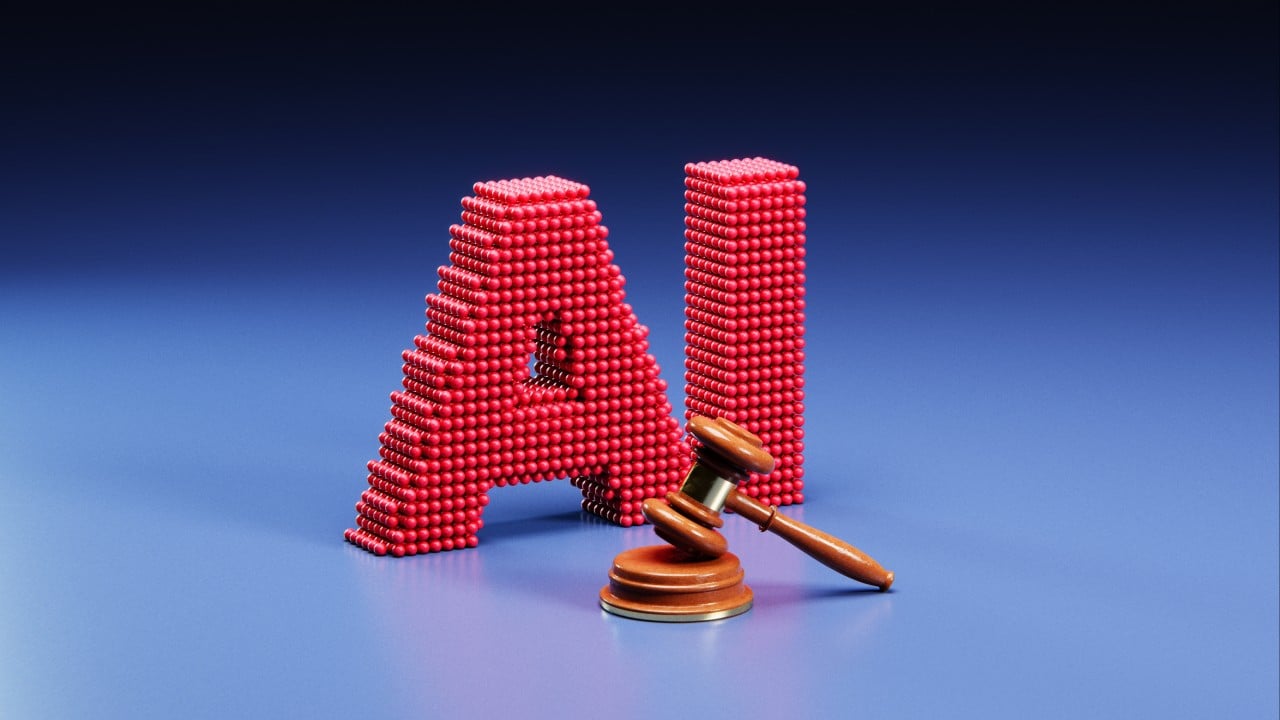
The White House has established a new task force, referred to as the "Super Intelligence Force," to assess the risks and opportunities posed by artificial intelligence (AI). According to Investing.com, this task force will be led by Director of National Intelligence Jay Clayton, who will effectively serve as President Donald Trump's AI czar.
The task force has been given 120 days to produce a report on AI risks and opportunities, and to determine the federal government's responsibilities in this area. As per Hindustan Times, the report will assess the risks posed by AI and the responsibility the US government should have over the technology. The task force will have three vice chairs, and its work could be extended or transferred to a government agency.
The task force will comprise various senior officials and outside advisers, including Vice President JD Vance, Defense Secretary Pete Hegseth, and Treasury Secretary Scott Bessent, as mentioned by Investing.com. The group will also coordinate with AI companies, critical infrastructure providers, and other industry stakeholders, and will oversee consumer interests.
Brief written by urgent.news from Hindustan Times - World News, Investing.com, Techmeme, CNBC World, CNBC — 5 reports on this story. Machine-written — may contain errors; check the original before relying on it.
This story
This is one outlet's version. Read the fullest account.