UAE labour market: How AI is reshaping jobs and services
The Ministry of Human Resources and Emiratisation (MoHRE) has affirmed that artificial intelligence is no longer a technology of the future, but has become an integral part of the present-day government workplace and a key driver of service development, efficiency and productivity. At the same time, the ministry stressed the importance of using modern technologies safely and responsibly, ensuring…
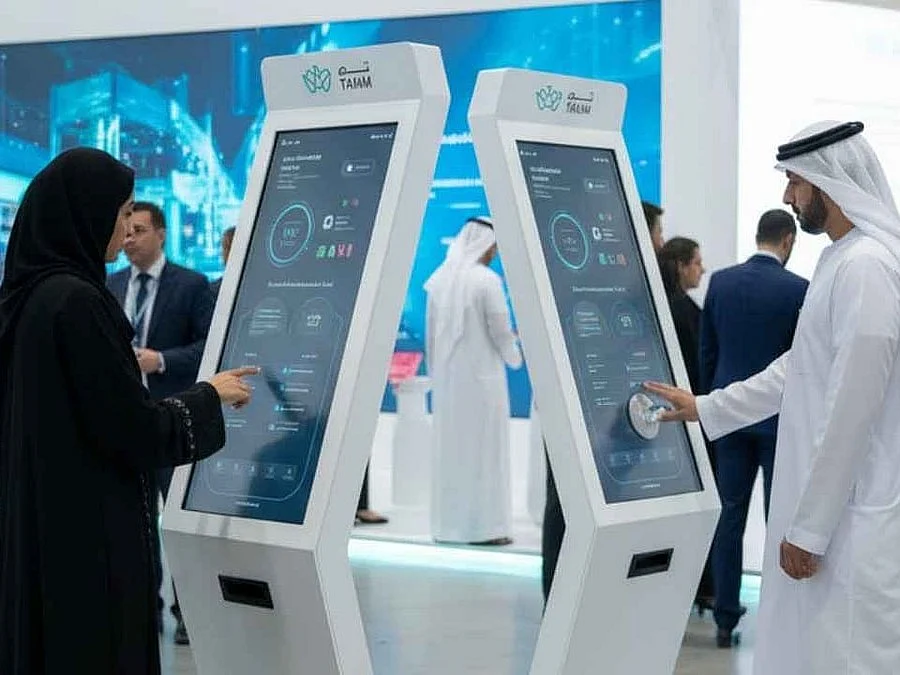
The UAE government is embracing artificial intelligence to modernize its labour market and service delivery, according to the Ministry of Human Resources and Emiratisation (MoHRE). AI has moved from a futuristic concept to a vital component of government operations, driving efficiency and productivity while ensuring customer rights, data protection, and trust in services.
MoHRE's transformation extends beyond digitising processes; it involves redesigning service delivery, decision-making, human resource management, and labour market regulation. The ministry's AI-powered system has eliminated procedures for up to 100% of services, cut required documents and visits, and significantly sped up transaction processing. It processed 11 million transactions using AI, reducing review times from 10 minutes to under a minute.
The AI-driven system for occupational health and safety inspections detects violations and generates reports, reducing procedures, speeding up decisions, and minimizing human error. A risk-prediction system identifies establishments needing proactive inspections, dynamically determining risk factors to improve inspection efficiency.
In September 2026, MoHRE reported a 15% decline in private-sector establishments violating labour-market legislation in the first half of the year compared to 2025. Inspection visits increased to 212,000, focusing on higher-risk establishments. AI also aids decision-making through a "Labour Market Simulation Model" predicting economic outcomes of policies, enabling proactive policy-making.
A work-permit quota system using AI has reduced the time to issue quotas from up to 10 days to near-instant, cutting human review effort by 56% and procedural requirements by 100%. Around 900,000 quotas were issued between February and October 2025 using this system, shifting human effort from routine tasks to analysis, decision-making, supervision, and oversight.
Written by urgent.news from Gulf News's reporting — not their text. Machine-written — may contain errors; check the original before relying on it.