‘They call every week’: the phishing attacks targeting past victims
Scammers reuse personal details harvested from fake Esta websites – and texts and calls can keep arriving for months When the British actor Lisa Riley was preparing to travel to the US last year, she applied online for an Esta so she would not need a visa. After finding the site through a Google search she filled in her passport, bank and personal details and waited for the confirmation, which…
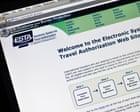
Criminals are persistently targeting individuals who have fallen victim to phishing attacks, often through weekly text messages and calls, even months after the initial scam. These scammers use personal information gathered from fraudulent government websites to perpetrate further scams, according to Lisa Riley, a British actress who was once a victim.
The fake Esta website she encountered looked identical to the legitimate CBP site, making it difficult for her to detect any suspicious activity. The CBP warns that fraudulent websites may pressure applicants to act quickly, exploiting the urgency to prompt hasty decisions. To avoid falling victim to such scams, individuals are advised to verify the authenticity of messages or calls by contacting their bank directly using trusted contact information.
The US CBP and Nationwide Building Society both warn that personal details obtained during an initial scam can be reused by criminals in subsequent impersonation attempts, emphasizing the importance of vigilance and caution in verifying the legitimacy of any unexpected communications.
Written by urgent.news from Guardian Business's reporting — not their text. Machine-written — may contain errors; check the original before relying on it.