The Year Hollywood Changed the National Security Debate
In 1983, two movies sought to educate and alarm the public about the risks of new technologies.
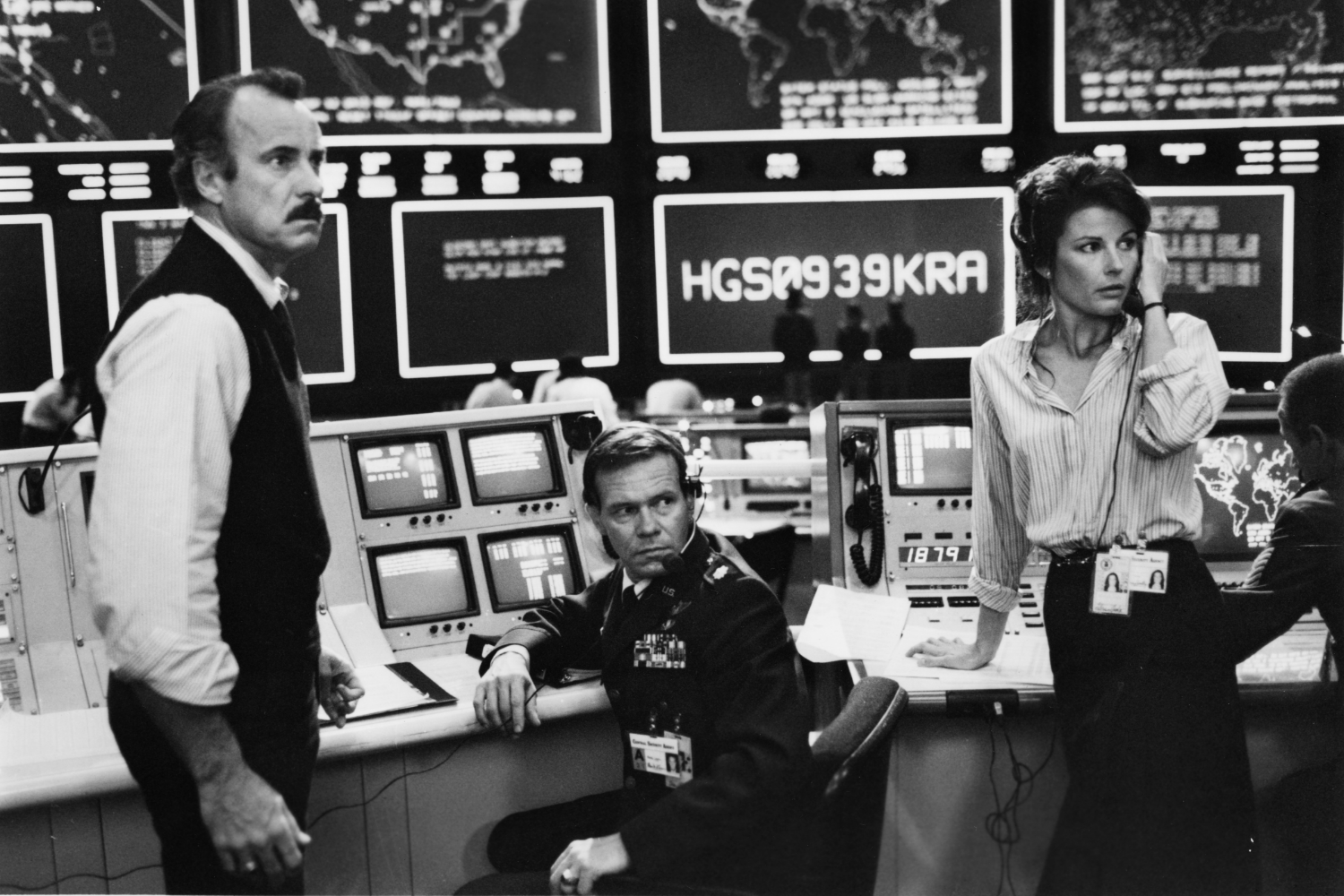
In the realm of national security, Hollywood has emerged as a powerful force in shaping public opinion, according to a new documentary called The AI Doc: Or How I Became An Apocaloptimist. The film's creators believe that movies and other forms of popular culture can generate the pressure necessary to effect political change, where traditional channels have failed to move the needle.
Tristan Harris, co-founder of the Center for Humane Technology, sees The AI Doc as a model for addressing the dangers posed by artificial intelligence, similar to how The Day After influenced the public discourse on nuclear war in the 1980s. The Day After, a fictional film about nuclear war, aired on ABC in 1983 and demonstrated the power of cinema to nudge the world in a different direction.
In the 1980s, the fear of nuclear war was very real. President Ronald Reagan had drastically increased defense spending, arguing that peace could only be achieved through strength. Reagan's tough stance against the Soviet Union was evident in his famous 1983 speech and his consideration of the nation as a nation that could not be trusted.
The early 1980s witnessed heightened tensions between the superpowers. In November 1983, NATO conducted Able Archer 83, an exercise that simulated the escalation of a conventional conflict into a nuclear war, causing alarm among Soviet officials. The fears were further exacerbated by the Soviet shootdown of a South Korean passenger airliner in September 1983.
While personal computers had been around since World War II, their accessibility to the general public skyrocketed in the late 1970s and early 1980s. The introduction of easy-to-use models such as the Apple II and the subsequent release of the MacIntosh in 1984 made computing a household phenomenon. This newfound accessibility raised concerns about the potential risks associated with the development of AI technology.
Written by urgent.news from Foreign Policy's reporting — not their text. Machine-written — may contain errors; check the original before relying on it.