The two October revolutions and how they shaped our modern world
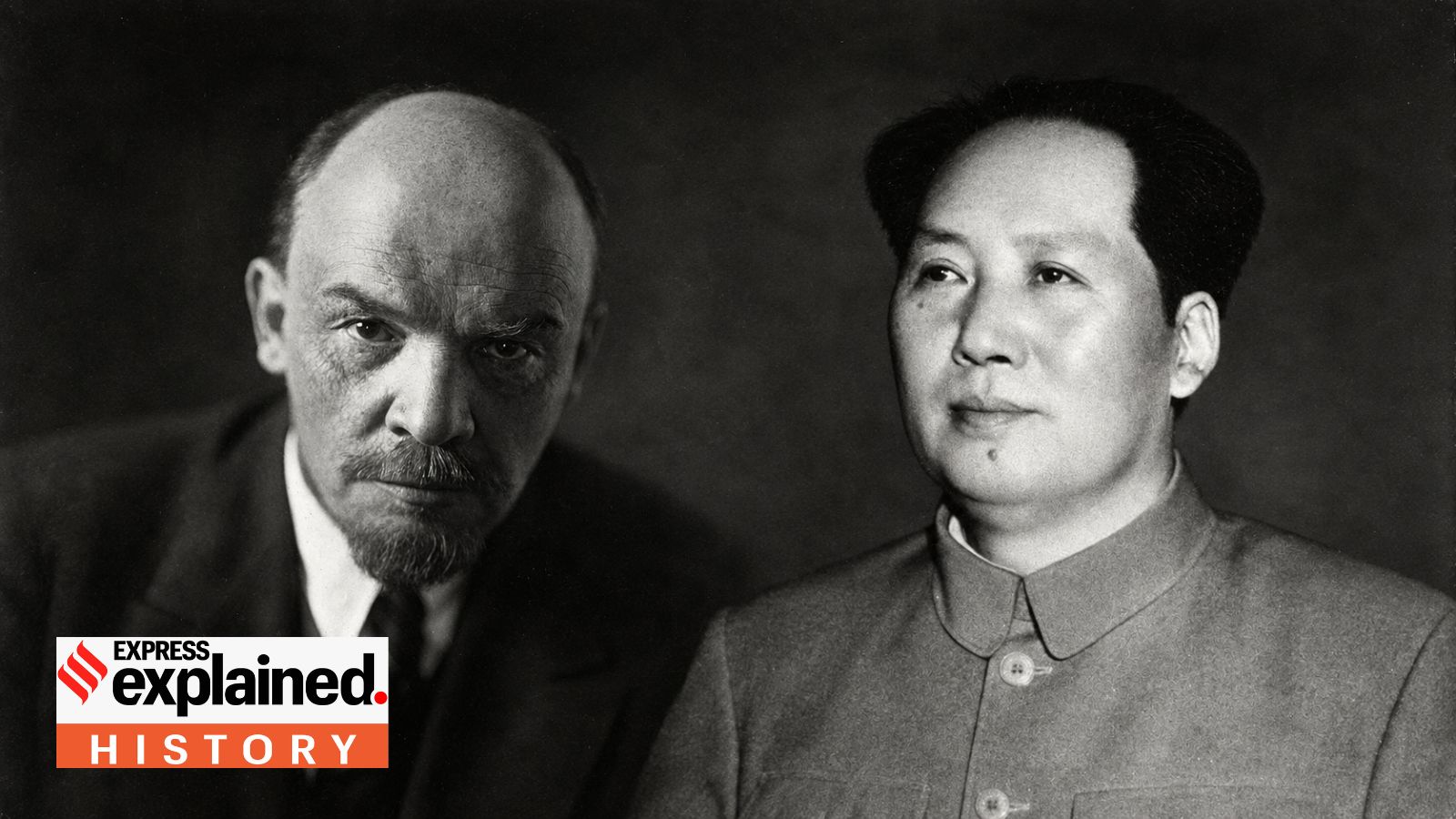
October 1, 1949 marks a significant moment in modern history, as Mao Zedong proclaimed the People's Republic of China from Tiananmen in Beijing. Thirty-two years earlier, on October 25-26, according to the Julian calendar, Vladimir Ilyich Lenin and the Bolsheviks seized power in Russia, later known as the October Revolution. These two revolutions, while occurring in different countries and time periods, share a profound historical impact.
The Russian Revolution took place amidst World War I, a period marked by social inequality, agrarian tensions, industrial unrest, and the autocratic rule of Tsar Nicholas II. The February Revolution of 1917 led to the abdication of the Romanov dynasty, but the Provisional Government continued the war and failed to address critical issues like land reform.
Meanwhile, soviets (councils) of workers and soldiers emerged as alternative centers of power. Vladimir Lenin returned from exile in April, demanding peace and granting power to the soviets. By September, the Bolsheviks had gained control in Petrograd and Moscow, leading to the October Revolution and the establishment of the Soviet government.
The October Revolution had far-reaching consequences beyond Russia. It inspired land redistribution, workers' rights, public ownership, mass education, and social welfare programs worldwide, even in societies opposed to communism. Moreover, the Bolsheviks denounced imperialism and sought to connect socialist revolution with anti-colonial struggles, influencing movements for national liberation across Asia, Africa, and Latin America.
China followed a unique path, with the Qing dynasty collapsing in 1911, leaving the country politically fragmented and under foreign influence. The May Fourth Movement of 1919 radicalized Chinese intellectuals towards Marxism, and the Communist Party of China was founded in 1921. Mao Zedong later emphasized the peasantry and their role in revolutionary strategy, leading to land reform and guerrilla warfare.
The Long March of 1934-35 secured the movement's survival and bolstered Mao's leadership. By October 1, 1949, Mao proclaimed the People's Republic of China, fundamentally altering the geopolitical landscape and demonstrating that an agrarian Asian society could pursue its own revolutionary path.
Written by urgent.news from The Indian Express's reporting — not their text. Machine-written — may contain errors; check the original before relying on it.