The Greatest Monument Builders of All Time
What the ancient pharaohs can teach us about public statuary
In recent years, monumental statues have regained significance, sparking debate over their meaning, removal, or repurposing. In Washington, D.C., taxpayer money funded gilded equestrian statues, while in Los Angeles, Kara Walker's controversial work gained widespread attention. Two recent museum exhibitions focusing on ancient Egyptian pharaohs aim to showcase how these countries excelled in monument construction.
The Egyptian Museum in Cairo, curated by Tarek el-Awady and featuring objects from historian Zahi Hawass, "Treasures of the Pharaohs" is a blockbuster exhibition. Spanning 5,000 years, the exhibit displays a range of artifacts from gold animal amulets to a 2,700-year-old incense burner. The common thread is a unified vision of divine kingship, afterlife preparations, and the cosmic ideal of ma'at, consistently expressed through similar visual styles.
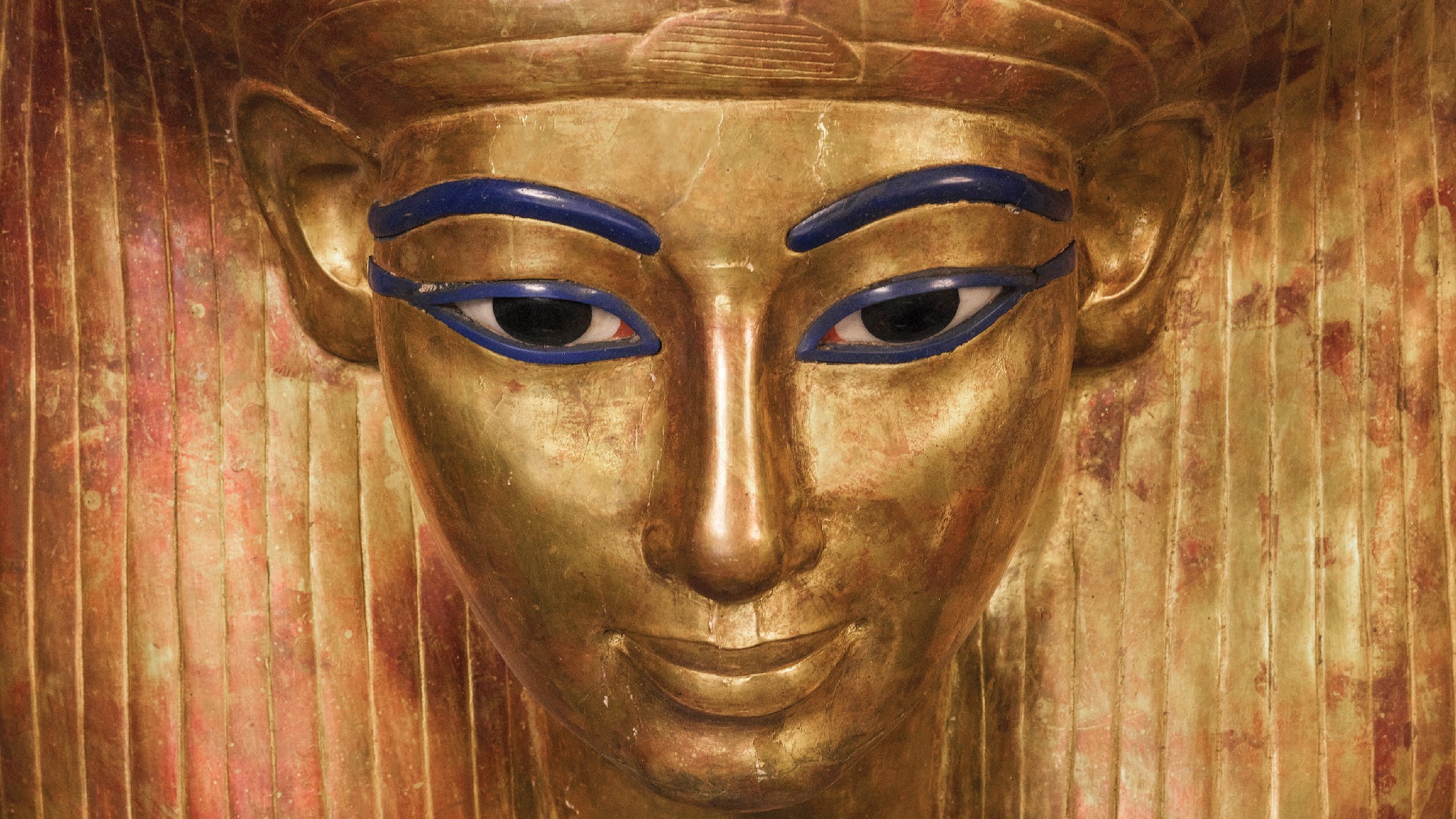
While the exhibition highlights stunning artifacts like the gilded face of Thuya, it also emphasizes that understanding Egypt requires acknowledging its role as a pioneering power in state-building and governance. However, the sheer number of pharaohs, dynasties, gods, and other elements can make it challenging to grasp individual narratives amidst the grand scope.
In contrast, "Maverick Kings: Three Visionary Pharaohs of Egypt’s Golden Age" at the Museum of Fine Arts in Boston takes a different approach, focusing on the lives of individual pharaohs. Curator Lawrence M. Berman uses objects in his collection to explore the stories of Hatshepsut, Amenhotep III, and Akhenaten, leaders from the 18th dynasty who expanded Egypt's influence and popularity.
Hatshepsut's co-regency, ambitious building projects, and temple renovations demonstrate her commitment to cementing her legacy. The exhibition showcases how these pharaohs sought to leave their mark on history through grand monuments.
Written by urgent.news from The Atlantic's reporting — not their text. Machine-written — may contain errors; check the original before relying on it.