Tanker costs soar 43-fold as Hormuz tensions reshape global oil trade
Rates for very large crude carriers, or VLCCs, have surged to an unprecedented $1.3 million per day, according to Poten data The figure is roughly 43 times the level recorded in early January, when the benchmark Middle East Gulf-to-Far East route cost about $30,000 per day. At that rate, freight adds almost $33 to the cost of each barrel of crude — about 27% of its delivered cost, based on…
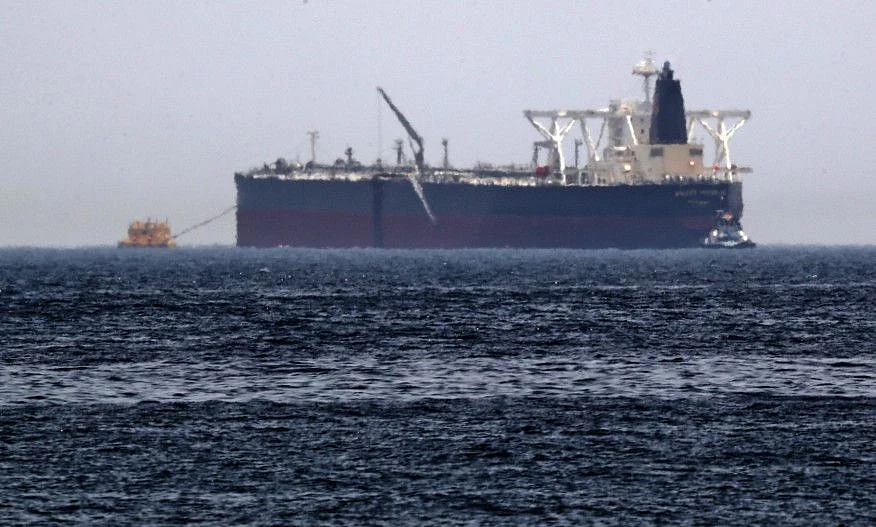
Tanker costs have skyrocketed 43-fold due to tensions around the Strait of Hormuz, reshaping the global oil trade, according to Poten data. Rates for very large crude carriers, or VLCCs, have reached $1.3 million per day, marking a dramatic increase from $30,000 per day just a month ago. This surge translates to an additional $33 per barrel of crude, constituting nearly 27% of its delivered cost.
The spike in tanker expenses highlights how disruptions in the Middle East have altered the economics of shipping crude. Longer routes, more ship-to-ship transfers, and higher war-risk premiums have been necessary due to restrictions and potential threats in the Hormuz Strait. These factors have tied up a significant portion of the global VLCC fleet in the Gulf of Oman.
Clarksons Research revealed that average global VLCC spot earnings have approached $642,000 per day, with some routes from the Middle East to Asia exceeding $1 million per day. The increased costs are passed on to refiners and traders as landed crude costs rise sharply, even before accounting for insurance, financing, and port charges. This freight surge may also prompt buyers to consider alternative supply regions, weighing the benefits against the higher costs of transporting oil through the disrupted Gulf corridor.
Written by urgent.news from Gulf News's reporting — not their text. Machine-written — may contain errors; check the original before relying on it.
Also reported by 1 other outlet
- Tanker hit by projectile in Hormuz qatar-tribune.com