Suvarnabhumi baggage backlog tied to outsourced ground staff
Staffing practices at Suvarnabhumi Airport are under scrutiny after passenger baggage piled up and acceptance of new air cargo was temporarily suspended. Reports point to outsourced ground-handling workers hired on daily or freelance terms without permanent contracts. Flooding is widely seen as the trigger, but reports suggest it was not the only factor. Some temporary … The story Suvarnabhumi…
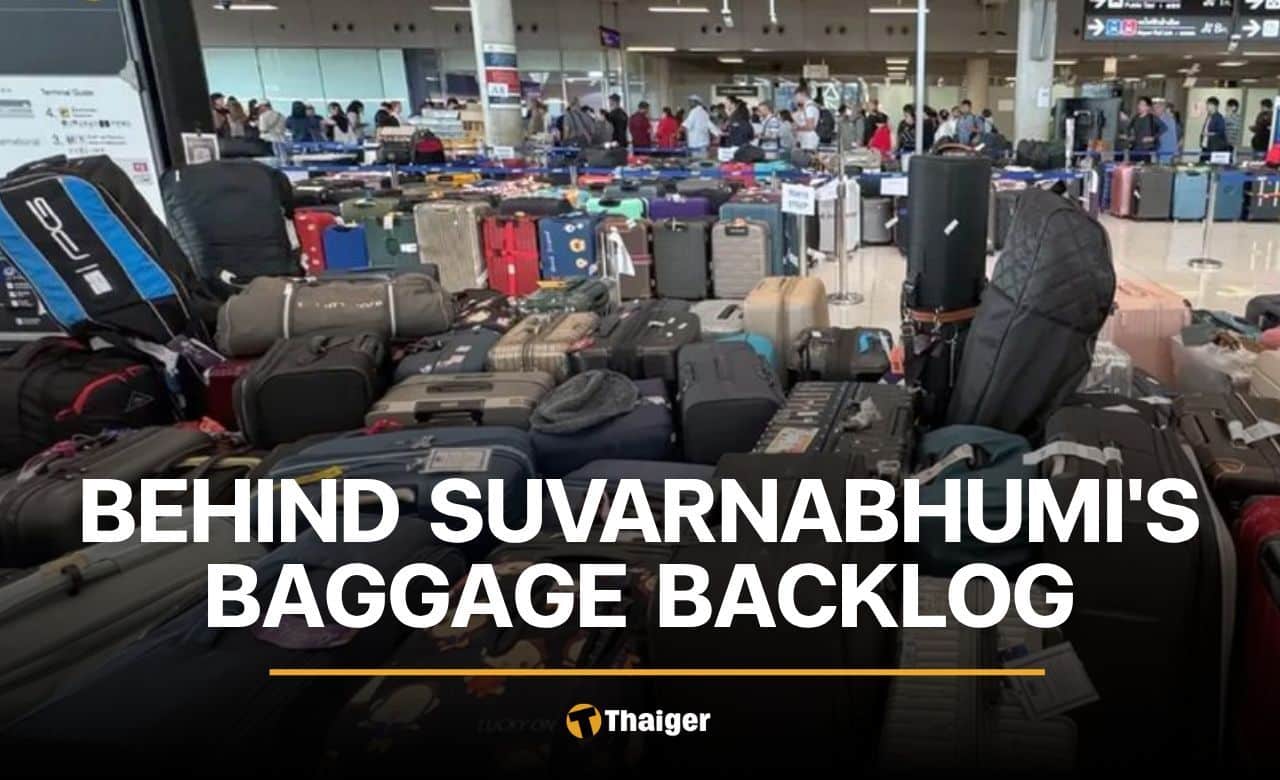
Suvarnabhumi Airport's baggage backlog has raised questions about the role of its outsourced ground staff. Legacy staffing practices at the airport are under investigation after passenger baggage accumulated and the acceptance of new air cargo was temporarily halted. Reports point to flooding as the initial trigger, but other factors are believed to be in play.
Some temporary and freelance workers failed to show up for work due to the conditions, and the company had limited authority to enforce their presence. This ground staff shortage has been cited as a contributing factor to the baggage backlog. The cargo suspension has put pressure on airlines, cargo operators, and businesses that depend on air freight.
Critics argue that daily and freelance arrangements can result in lower pay and fewer benefits compared to permanent airline employees. Thai Airways International manages certain ground services at Suvarnabhumi through a separate company established in 2010. The company, controlled by Thai Airways and Phuket Airport Catering Company, has experienced a workforce reduction during Thai Airways' business rehabilitation.
Some of the company's directors are former Thai Airways personnel, raising concerns about potential conflicts of interest. To determine the extent of each contributing factor, further clarification from the involved companies and agencies is required. This incident underscores the vulnerability of airport operations when critical services depend heavily on temporary labor, especially during emergencies that hinder workers' ability to reach their workplaces.
Written by urgent.news from The Thaiger's reporting — not their text. Machine-written — may contain errors; check the original before relying on it.