Suhakam doesn’t need prosecutorial powers — but govt must answer its findings, says chairman
KUALA LUMPUR, Oct 5 — The Human Rights Commission of Malaysia (Suhakam) does not need prosecutorial powers to be e...
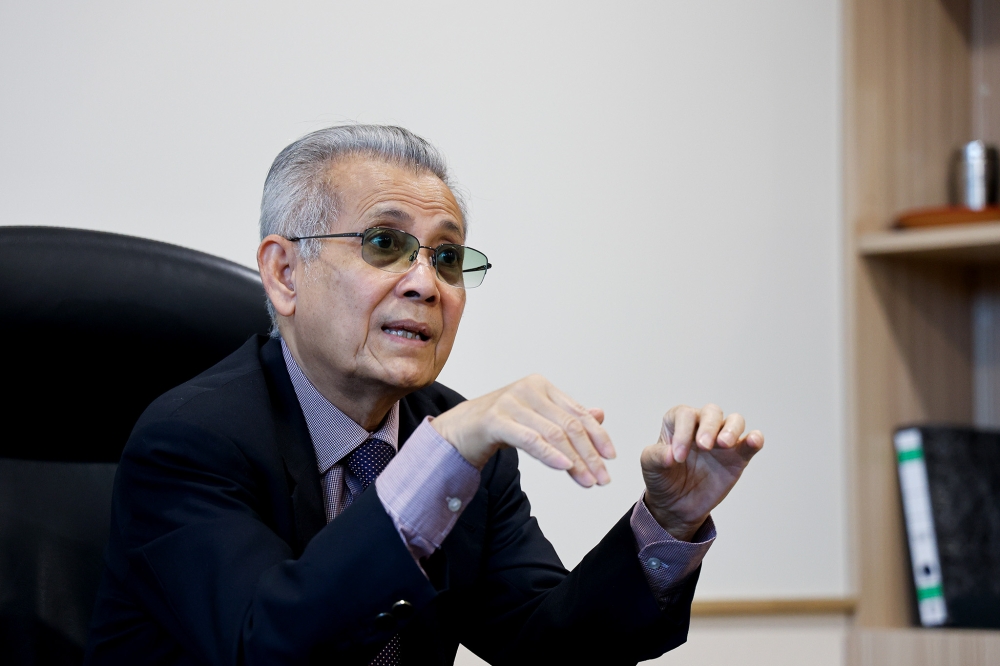
KUALA LUMPUR, Oct 5 — Suhakam, Malaysia's national human rights commission, does not require prosecutorial powers to effectively carry out its mission, according to the commission's chairman Datuk Seri Mohd Hishamudin Md Yunus. While acknowledging its limitations, Mohd Hishamudin emphasized that Suhakam remains a vital organization with a unique role distinct from courts, law enforcement, and other statutory bodies.
Suhakam primarily conducts investigations, provides advisory services, promotes education, and makes recommendations. With its existing powers under the 597 Act (Suhakam Act), the commission can initiate inquiries, summon witnesses, gather evidence, and make recommendations. Recent amendments in 2024 further expanded Suhakam's mandate to visit detention centers, institutions, and other relevant locations.
This empowered the commission to conduct a thorough and independent inquiry into the Taiping prison riot in January 2025, which resulted in the death of a High Court detainee. The inquiry found that prison officers had used excessive force and abused weapons against detainees, and recommended turning the 146-year-old Taiping Prison into a museum due to overcrowding and unsuitability.
Although Suhakam can publish findings and make recommendations, it lacks the legal authority to enforce them. The commission urges the government to adopt a "respond and explain" mechanism, requiring authorities to provide written responses within a reasonable timeframe regarding whether they accept, partially accept, or reject Suhakam's recommendations.
If accepted, authorities must also submit progress reports detailing follow-up measures and implementation timelines. Malaysia could potentially adopt a similar approach to Australia, where the Human Rights Commission Act of 1986 mandates the reporting of commission reports to the relevant parliamentary houses. Suhakam was recently re-accredited as an "A-status" national human rights institution, reflecting its international standing as an independent, credible, and effective institution.
However, Mohd Hishamudin emphasized that credibility must be maintained at home. Malaysians must have confidence that when they approach Suhakam, raise concerns, or lodge complaints, they are engaging with an institution that remains independent, impartial, and capable of fulfilling its mandate without undue interference.
Written by urgent.news from Malay Mail's reporting — not their text. Machine-written — may contain errors; check the original before relying on it.
This story
This is one outlet's version. Read the fullest account.