South Africa cannot afford to take the taxi industry for granted
Minibus taxis carry millions of South Africans every day, yet the industry remains caught between private enterprise, public transport responsibilities, inadequate infrastructure and efforts to professionalise the sector.
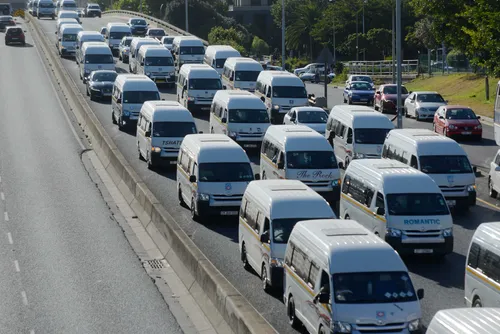
South Africa cannot afford to overlook the taxi industry, which is critical for millions of citizens commuting to work, school, shops, and healthcare facilities. When services are disrupted, entire communities can come to a standstill, affecting workers, learners, small businesses, and essential services. The minibus taxi industry, recognised as the nation's largest public transport mode, employs an estimated 15 million commuters daily.
The sector's evolution mirrors South Africa's social and economic transformation, emerging as a crucial response to inadequate public transport services under apartheid. Deregulation in the 1980s enabled a rapid growth of black-owned taxi businesses, providing an avenue for wealth creation amidst limited opportunities. However, deregulation also led to the emergence of taxi associations and violent turf wars, creating an industry that is both indispensable and difficult to regulate.
The Taxi Recapitalisation Programme, introduced in 2006, aimed to remove unsafe vehicles and replace them with newer, compliant ones, providing capital support through scrapping allowances. Despite these efforts, challenges persist, including the affordability of new vehicles, the size of the scrapping allowance, and illegal taxi operations.
Additionally, changing technology and the rise of e-hailing services pose further challenges. However, the industry's essential public function should not exempt it from accountability. Inadequate infrastructure, a legacy of apartheid spatial planning, exacerbates the industry's challenges, leaving many residents with limited transportation options.
While the government has been working on professionalising the industry and integrating it into the broader public transport system, it must also recognize the taxi operators' responsibilities, including safety, accountability, licensing, and professional conduct.
Written by urgent.news from IOL's reporting — not their text. Machine-written — may contain errors; check the original before relying on it.