SFDA approves registration of 'Jascayd' for treatment of idiopathic pulmonary fibrosis
RIYADH — The Saudi Food and Drug Authority (SFDA) has approved the registration of Jascayd (nerandomilast) for the treatment of adult patients with idiopathic pulmonary fibrosis (IPF). The drug was previously granted Orphan Drug designation under the SFDA Orphan Drug Program. Idiopathic pulmonary fibrosis (IPF) is a rare, progressive lung disease characterized by the continuous formation of…
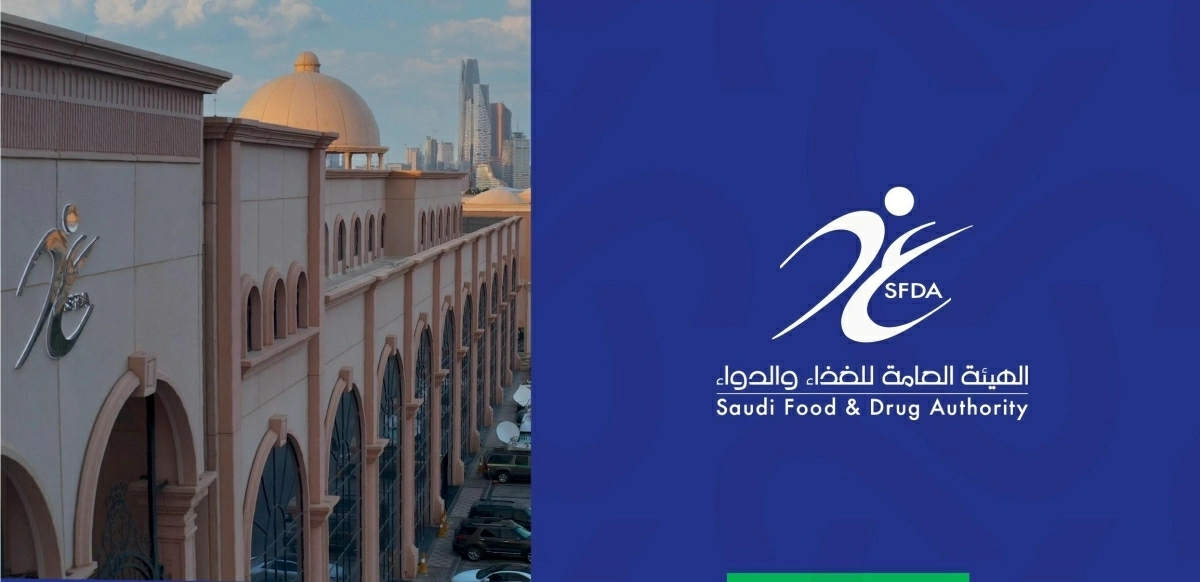
Riyadh witnessed a significant healthcare development as the Saudi Food and Drug Authority (SFDA) registered Jascayd (nerandomilast) for treating idiopathic pulmonary fibrosis (IPF) in adults. IPF is a rare, progressive lung disease marked by fibrous scar tissue formation in the lungs, causing severe shortness of breath and persistent cough.
Jascayd, a phosphodiesterase 4 (PDE4) inhibitor, preferentially targets the PDE4B subtype, which is crucial in fibrosis and inflammation in the lungs. The drug's efficacy was proven in the pivotal Phase 3 FIBRONEER-IPF trial, where it reduced forced vital capacity decline by 115 mL and 139 mL in 9 mg and 18 mg doses, respectively, compared to 184 mL in placebo.
Both doses significantly reduced FVC decline compared to placebo, with the most common side effects being diarrhea, nausea, weight loss, decreased appetite, and back pain. Approval reaffirms the SFDA's dedication to innovation and improving healthcare quality, aligning with Saudi Vision 2030's objectives.
Written by urgent.news from Saudi Gazette's reporting — not their text. Machine-written — may contain errors; check the original before relying on it.