Scientists puzzled as baby whales wash up dead in Argentina
A team of biologists, veterinarians, and park rangers have been searching the area for the dead calves from shore and with boats, planes, and drones
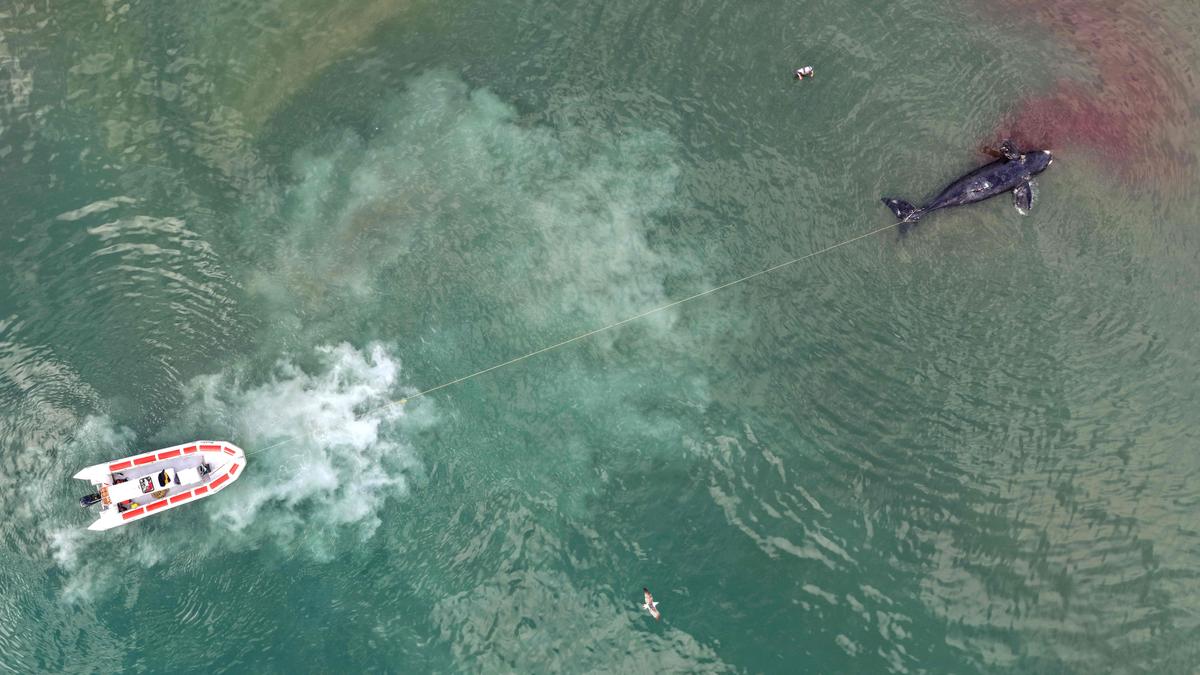
PENINSULA VALDES, Argentina (AP) — Argentine investigators are attempting to unravel the cause behind a high number of dead baby whales washing up along the country's Patagonian coast. Scores of calf carcasses have been discovered near Peninsula Valdes, a crucial breeding area for southern right whales in Argentina's Chubut province.
These whales, previously hunted to the brink of extinction in the 19th and 20th centuries, now gather in the peninsula's calm waters for birthing and nursing. According to Marcela Uhart, a veterinarian from the One Health Institute at the University of California, Davis, the leading theory is that the calves are falling victim to infections from marine bacteria, possibly entering their bodies through injuries from kelp gulls.
The gulls prey on whales surfacing to breathe, eating their skin and blubber. Calves, unable to surface with their backs exposed like adults, become easy targets. The carcasses have been discovered near the coastal city of Puerto Madryn, causing alarm among residents and tourists. Researchers are currently examining the bodies, collecting skin and organ samples for testing to identify the bacteria and determine if infections are the cause.
However, they must still investigate what is making the bacteria so deadly this year. Factors such as warming sea temperatures, potentially linked to climate change or El Niño, could be contributing to the increased mortality. If these deaths continue, they could hinder the population's recovery. By identifying the cause of the calves' deaths, researchers hope to protect the vulnerable population.
Written by urgent.news from Winnipeg Free Press's reporting — not their text. Machine-written — may contain errors; check the original before relying on it.
This story
This is one outlet's version. Read the fullest account.