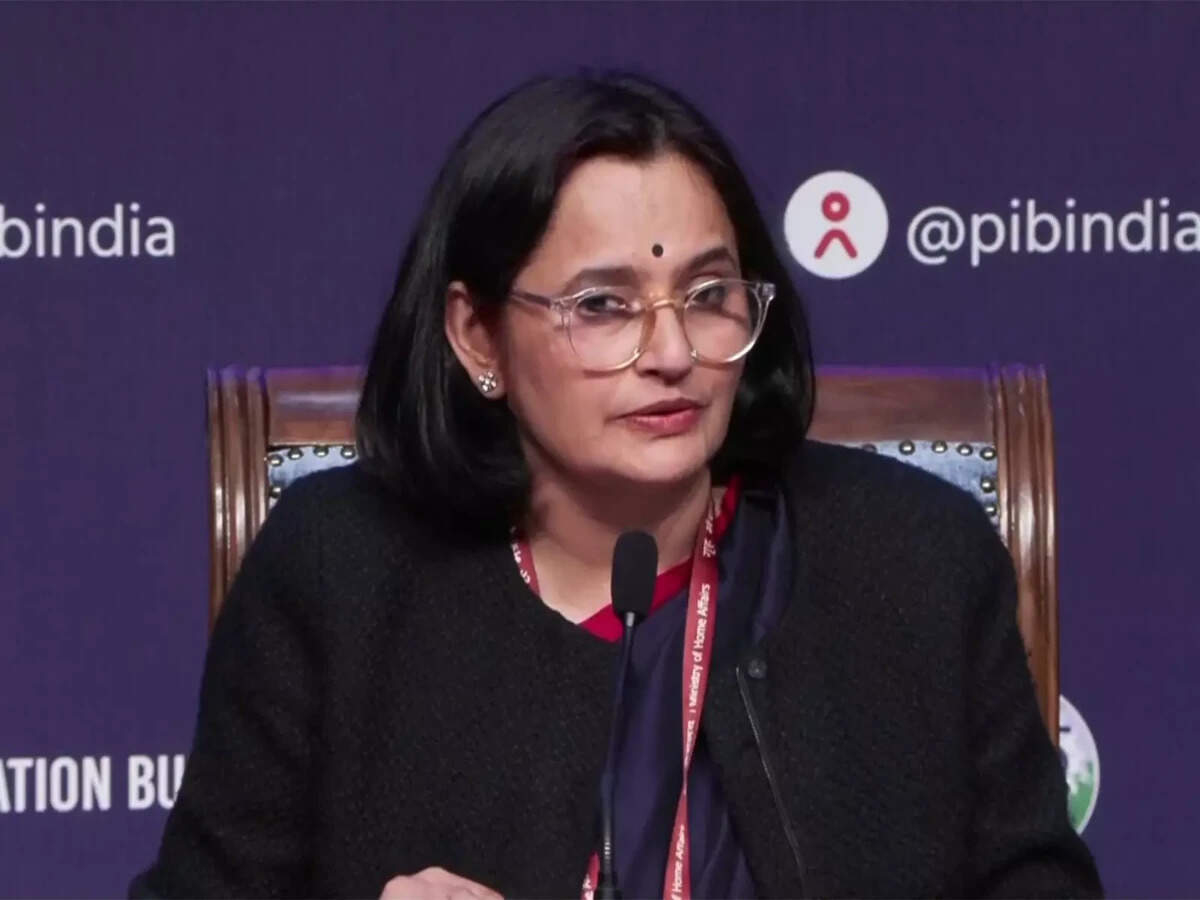
Rising global capital costs pose challenge for emerging economies: Anurada Thakur
Pointing to changes in global financial markets, economic affairs secretary Anuradha Thakur said bond markets were assuming a larger share of financing, with government papers alone accounting for more than 80% of global gross domestic product.
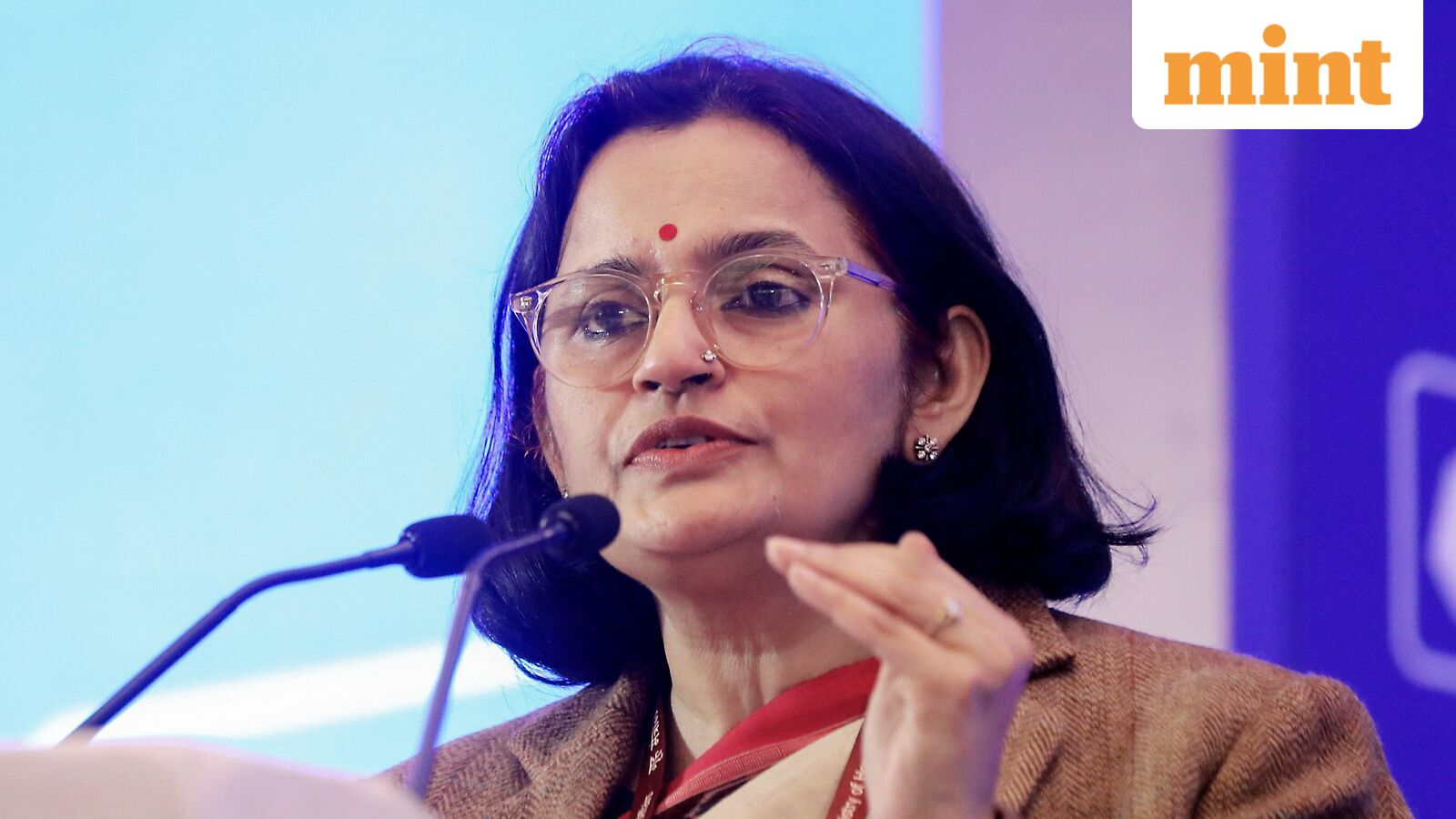
New Delhi: High government borrowing, rising risk premiums, and massive investments in artificial intelligence are driving up the cost of capital in emerging economies, including India, according to economic affairs secretary Anuradha Thakur. Speaking at the Kautilya Economic Conclave, Thakur emphasized that in today's world, resilience, adaptability, and flexibility are increasingly important, often requiring additional capital.
The global sovereign bond market, which accounts for over 80% of global GDP, has become a key determinant of the cost of capital. This has posed a significant challenge for emerging economies like India. Thakur highlighted the growing interplay between global trade and geostrategic concerns, stating that when trade is organized around security rather than comparative advantage, it leads to less efficient movement of goods and capital, exacerbating surpluses and deficits and driving up the cost of capital.
She also noted that the AI investment cycle has introduced a new dimension, with demands extending beyond software and computing to include data centers, semiconductors, reliable electricity, and transmission capacity, all of which are being financed through debt. India attracted record foreign direct investment inflows of $97 billion last fiscal year and $29.3 billion in the June quarter, indicating confidence in the country's fundamentals.
Private investments are also rising, with companies pledging funds for projects in sectors such as power, data centers, and metals, and bank lending to enterprises on the rise. The Indian government's commitment to fiscal discipline, exemplified by a decreasing fiscal deficit and debt-to-GDP ratio, as well as inflation targeting, have contributed to macroeconomic stability.
Thakur emphasized that fiscal credibility, price stability, and a sound banking system are crucial for borrowing in an environment of scarce and expensive capital. The government's decade-long commitment to reforms, including banking system improvements, implementation of GST, reduction in corporate tax rate, and introduction of new labor codes, has helped the economy grow at an average of over 7% in the past three years while preserving macro stability.
Written by urgent.news from Live Mint's reporting — not their text. Machine-written — may contain errors; check the original before relying on it.