Rio favela residents vote with little hope
Despondent residents of Rio de Janeiro’s largest favela voted in Brazil’s presidential election with little hope that either leftist incumbent Luiz Inacio Lula da Silva or right-wing challenger Flavio Bolsonaro will resolve the rampant violence, poor sanitation, and high cost of living plaguing their community.
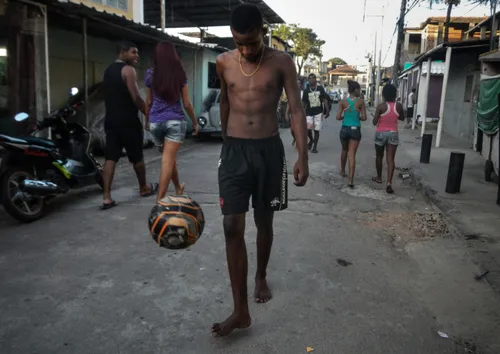
Residents of Rio de Janeiro's largest favela, Rocinha, cast their votes on Sunday amid widespread dissatisfaction and little hope for improvement. Queues of voters stretched for over a hundred people, with approximately 100,000 inhabitants residing in cramped brick homes on the steep hillside. The primary concerns for voters included security, sanitation, and the escalating cost of living.
Seventy-year-old resident Antonio Machado expressed his concerns, stating, "You're not safe on the street. You're not even safe inside your own home." For decades, drug gangs and heavily armed police have fought for control in the area, all visible from the nearby Atlantic coast. Machado lamented, "It's shameful, the state of this country. Politicians only seek you out during election season. Afterward, they don't even know you exist."
The frontrunners for the presidency are leftist incumbent Luiz Inacio Lula da Silva and right-wing senator Flavio Bolsonaro. Bolsonaro has vowed to restore state control and "suffocate" armed groups like Comando Vermelho and First Capital Command, which have evaded police raids and government crackdowns. He has also expressed admiration for El Salvador's strict security policies and plans to emulate them by constructing more maximum-security prisons. Lula has pledged to "reclaim the territory."
Fabricia de Melo, a biomedical scientist, acknowledged the years of ongoing violence but expressed her preference for Lula as the less severe option. Bolsonaro's father, Jair Bolsonaro, previously encouraged police intervention in crime-ridden neighborhoods. As a Black resident, de Melo emphasized her distrust of police, citing instances of home invasions and assaults.
Lula is popular among residents due to his social welfare programs that lifted millions out of poverty during his first two terms in the 2000s. However, many, like bricklayer Maicon Santana and tech worker Joao Batista, expressed dissatisfaction with the current administration, citing inadequate improvements in sanitation, education, and the affordability of basic goods. Despite these grievances, Lula has recently increased welfare payments and banned sports betting to address gambling addiction and debt.
Written by urgent.news from IOL's reporting — not their text. Machine-written — may contain errors; check the original before relying on it.