RBI Policy And TCS Earnings In Focus, Oil Prices And Bond Yields To Guide Markets
New Delhi: The Reserve Bank of India’s interest rate decision, corporate earnings, crude oil prices and global bond yields will shape stock market trading this week, analysts said. Investors will also track economic data and foreign fund flows after Indian equities recorded their eighth consecutive weekly decline. RBI policy in focus The RBI’s policy announcement will be the main domestic…
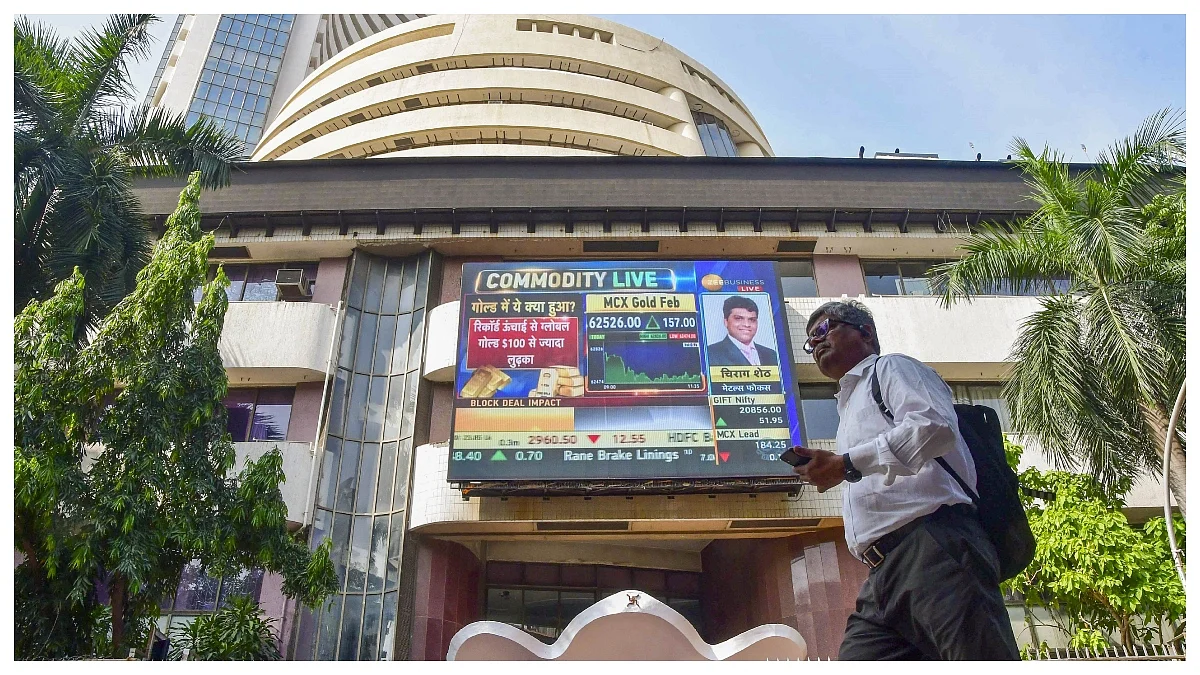
New Delhi: This week, the Reserve Bank of India's (RBI) interest rate decision, corporate earnings, crude oil prices, and global bond yields will determine stock market trading patterns, according to analysts. Investors will also monitor economic data and foreign fund flows following Indian equities' eighth consecutive weekly decline.
The RBI's policy announcement will serve as the primary domestic catalyst. Investors will keenly observe the bank's stance on interest rates, its assessment of inflation, and its growth forecasts to gauge the outlook for financial markets. Ajit Mishra, Senior Vice President of Research at Religare Broking, noted that the meeting would provide crucial insights into the probable direction of domestic interest rates.
Hariselvan Radhakrishnan, Founder and CEO of HST Wealth, added that the upcoming release of US Federal Open Market Committee minutes would reveal policymakers' inclination towards further tightening, following the September rate hike.
Earnings season is set to commence, with TCS and retail giant DMart among the firms expected to unveil their quarterly results this week. TCS is scheduled to release its September quarter results on October 8. India's final HSBC Services PMI and Composite PMI readings for September are due on October 6, Mishra mentioned.
Oil prices and bond yields are also expected to play a significant role. Ponmudi R, CEO of Enrich Money, cautioned that Brent crude trading above USD 100 a barrel remains a pressing concern, exerting pressure on India's external balances and inflation outlook. Geopolitical instability could keep oil prices volatile, adding to investor apprehensions amid a weakening rupee and persistent foreign fund outflows.
Lower US Treasury yields could provide an advantage to emerging markets, alleviating pressure on foreign investment, but higher yields might render US assets more appealing, thereby encouraging additional capital outflows, R explained.
Following last week's market decline, the Sensex fell 1,986.04 points, or 2.68 percent, while the Nifty dropped 718.55 points, or 3.10 percent. Throughout September, the Sensex contracted by 4,476.98 points, or 5.81 percent, while the Nifty fell by 1,459.95 points, or 6 percent, underscoring sustained pressure from both domestic and global factors.
Written by urgent.news from Free Press Journal's reporting — not their text. Machine-written — may contain errors; check the original before relying on it.
This story
This is one outlet's version. Read the fullest account.