Quality over quantity: China’s AI microdrama producers battle viewer fatigue
Two decades after stepping away from the spotlight, iconic actress Joey Wong made an unexpected return to the screen – not through a traditional production, but via artificial intelligence-powered reconstruction. In a two-minute video by NetEase this summer, Wong, one of the most well-known actresses of the 1980s and 90s, had some of her most celebrated roles recreated, including the beautiful…
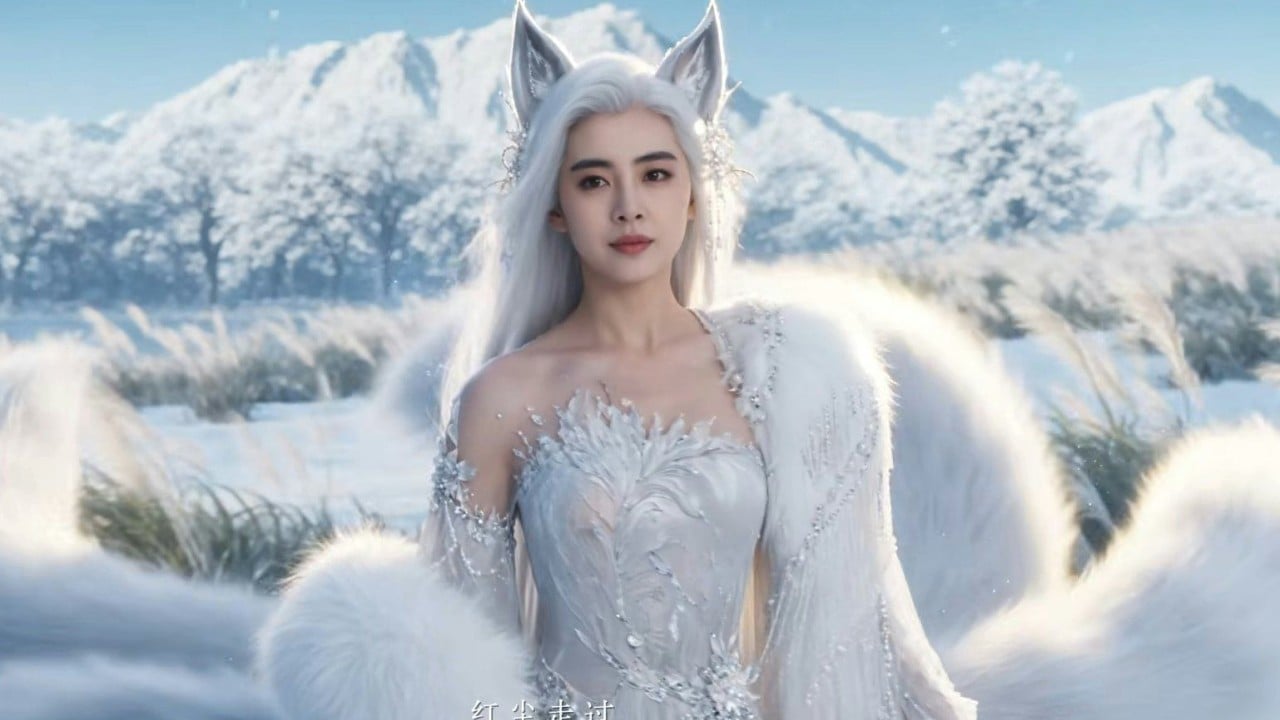
Two decades after retiring from acting, renowned actress Joey Wong made a surprising comeback to the screen through AI-powered recreations of her most famous roles. NetEase's two-minute video featured Wong reenacting her iconic ghost and snake demon characters from classic Chinese dramas. This revival marks a shift in the mini-drama market, with AI-generated short films dominating the scene.
Over 90% of the 430,000 microdramas released online in the first eight months of the year were AI-created, according to China's broadcasting regulator. Producers claim AI video generation tools have opened up new storytelling opportunities previously limited by budget constraints. Producers at an AI comic-drama platform noted that many online novels thrive on action, suspense, and fantastical worlds that are expensive to bring to life through traditional live-action methods.
Some viewers expressed willingness to pay for superior AI-generated dramas, especially when they can recreate the imaginative worlds found in popular online novels. However, others felt overwhelmed by the repetition of similar content, as a hit drama often spawns a series of knockoffs with altered settings or characters. Maintaining consistent characters, performances, and narratives across multiple episodes has become increasingly challenging, as the proliferation of AI tools makes video generation easier.
As competition intensifies among studios, the focus is shifting towards scriptwriting, directing, production workflows, and viewer engagement. Regulators and industry leaders have also turned their attention to live-action productions, urging platforms to dedicate sections for high-quality live-action microdramas and provide financial support.
In response, some studios are seeking explicit consent for the use of actors' likenesses, signing agreements with performers to create digital characters, and labeling AI-generated content clearly. Despite these adjustments, the surge in AI-generated microdramas shows no signs of slowing down.
Written by urgent.news from South China Morning Post's reporting — not their text. Machine-written — may contain errors; check the original before relying on it.