Personal data of some 24,000 KEPCO employees leaked
The personal information of some 24,000 employees at the state-run Korea Electric Power Corp. (KEPCO) has been leaked, the company said Sunday, the latest in a series of personal data leaks at corporations. "We became aware that the personal information of employees was exposed on an external web site at around 3:59 p.m. Thursday," KEPCO said in a statement. The leaked information includes their…
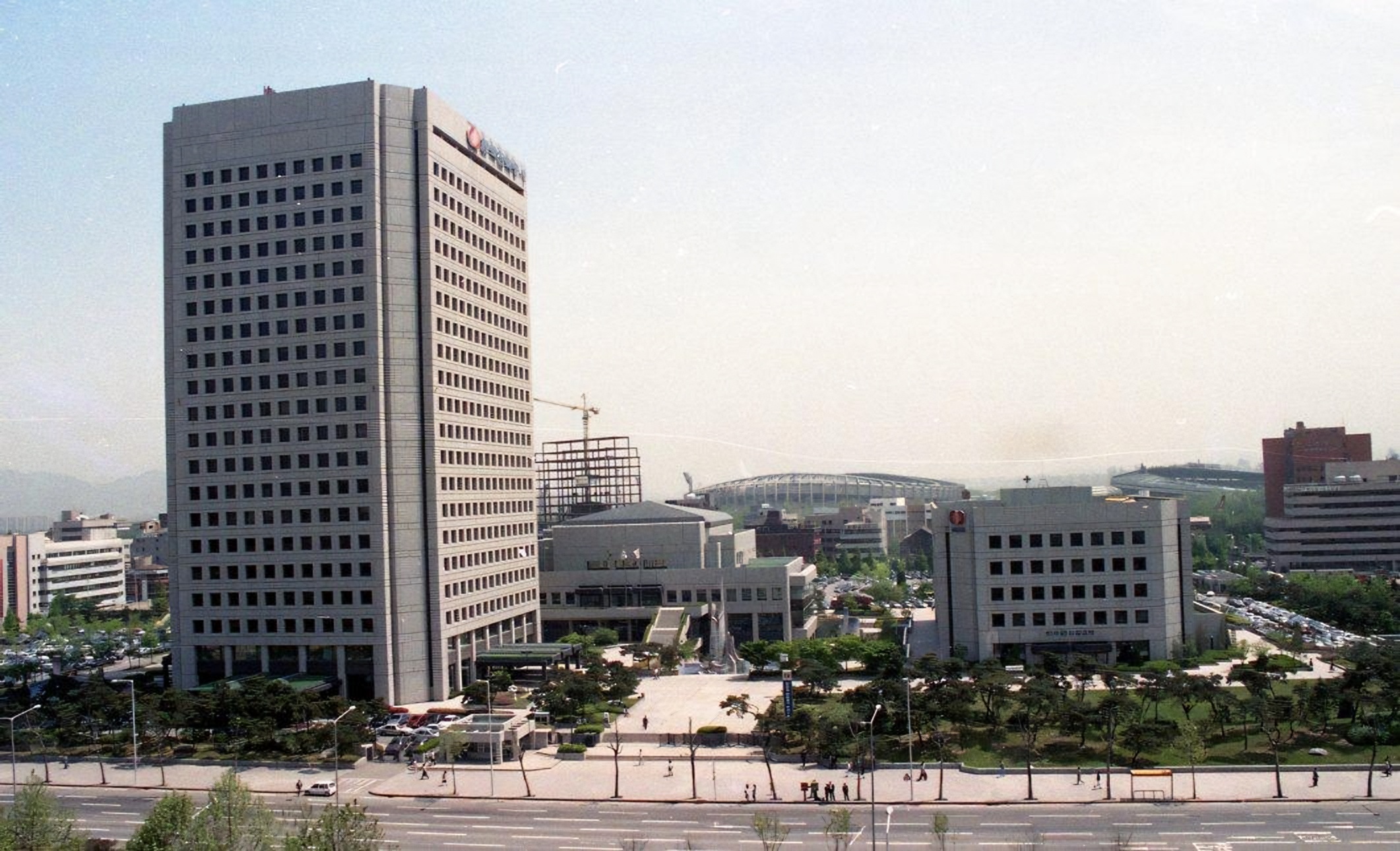
Personal data of approximately 24,000 employees at the state-owned Korea Electric Power Corporation (KEPCO) was leaked, the company reported on Sunday. This marks the latest instance of a personal data breach among corporations. KEPCO discovered the exposed employee information on an external website around 3:59 p.m. on Thursday. The leaked data comprises employees' names, job positions, and telephone numbers, but it does not include sensitive information like resident registration numbers, according to the company.
KEPCO promptly notified the affected employees and successfully removed the leaked information by midnight on Friday. Customer information, stored in a different system, remained secure. This incident follows a series of recent data leaks at major financial institutions, including Hana Bank, KB Kookmin Bank, and Shinhan Bank, which were the victims of hacking attacks resulting in the exposure of customer information.
A KEPCO official stated that the company is currently investigating the exact cause of the incident, and the data breach appears to be unrelated to artificial intelligence.
Written by urgent.news from The Korea Times's reporting — not their text. Machine-written — may contain errors; check the original before relying on it.
This story
This is one outlet's version. Read the fullest account.
- Personal data of some 24,000 KEPCO employees leaked en.yna.co.kr
- Personal data of some 24,000 KEPCO employees leaked koreatimes.co.kr