Paul Rudd finally ages enough to tell us to put down our damn cellphones
The Anaconda actor railed against ubiquitous tech at the NYFF opening of his new film, A Statement .
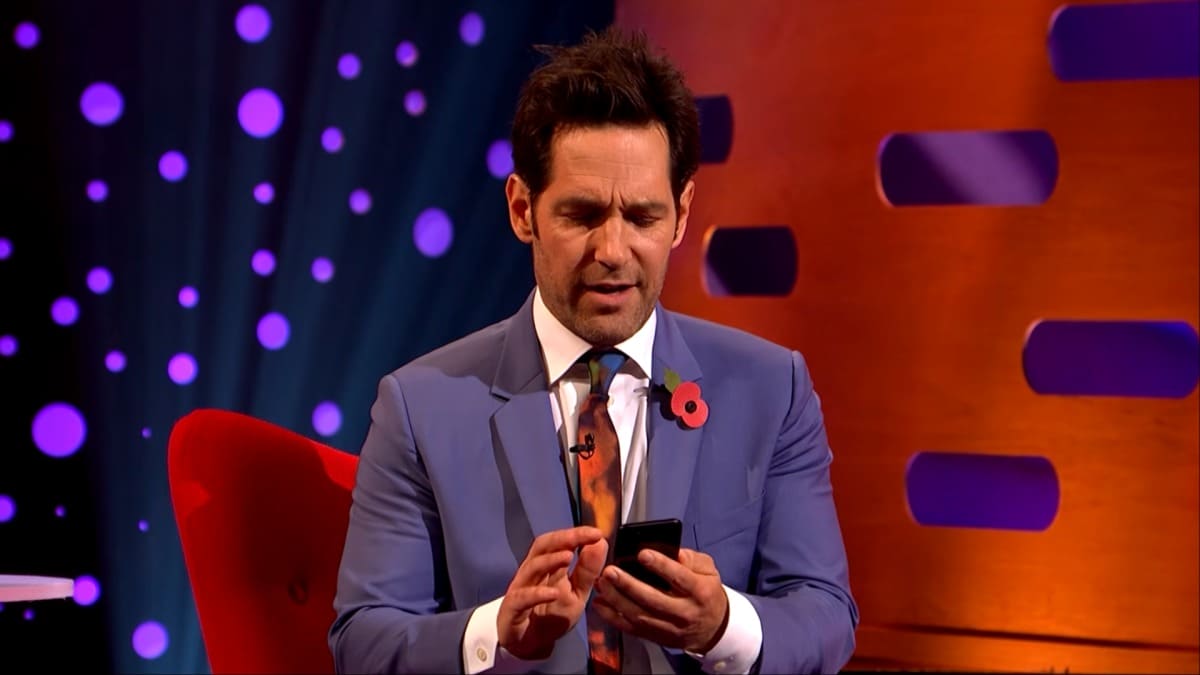
Actor Paul Rudd, despite his youthful appearance, has matured enough to express his frustration with the excessive reliance on smartphones among younger generations. Speaking at the New York Film Festival premiere of his latest movie, A Statement, Rudd shared that he no longer brings his phone to sets, a practice he has adopted for some time.
He emphasized the importance of putting down the device, stating that these gadgets are detrimental and contributing to our collective decline. Rudd praised the film's director, Tom McCarthy, for implementing a strict no-phone policy, which helped highlight the transformative impact of smartphones on social interactions. The 1980s period film, which revolves around climate experts tackling global warming, showcased the significant shift in how people communicate in the era of cell phones.
Rudd noted that the change in human interaction was evident, with actors and crew members now engaging in genuine conversations during breaks and on set. Co-star Amy Ryan echoed Rudd's sentiments, highlighting the positive effect of enforced human interaction on set. She likened the experience to quitting sugar, describing how quickly the novelty wears off and users become disinterested.
Rudd and Ryan's advice encourages viewers to consider reducing their smartphone usage, urging them to reconnect with face-to-face communication.
Written by urgent.news from The A.V. Club's reporting — not their text. Machine-written — may contain errors; check the original before relying on it.