Parties’ weaknesses behind Melaka pact uncertainty, say analysts
Tawfik Yaakub says fragmented support has made cooperation necessary, but analysts warn voters may be left unsure who they are voting into power.
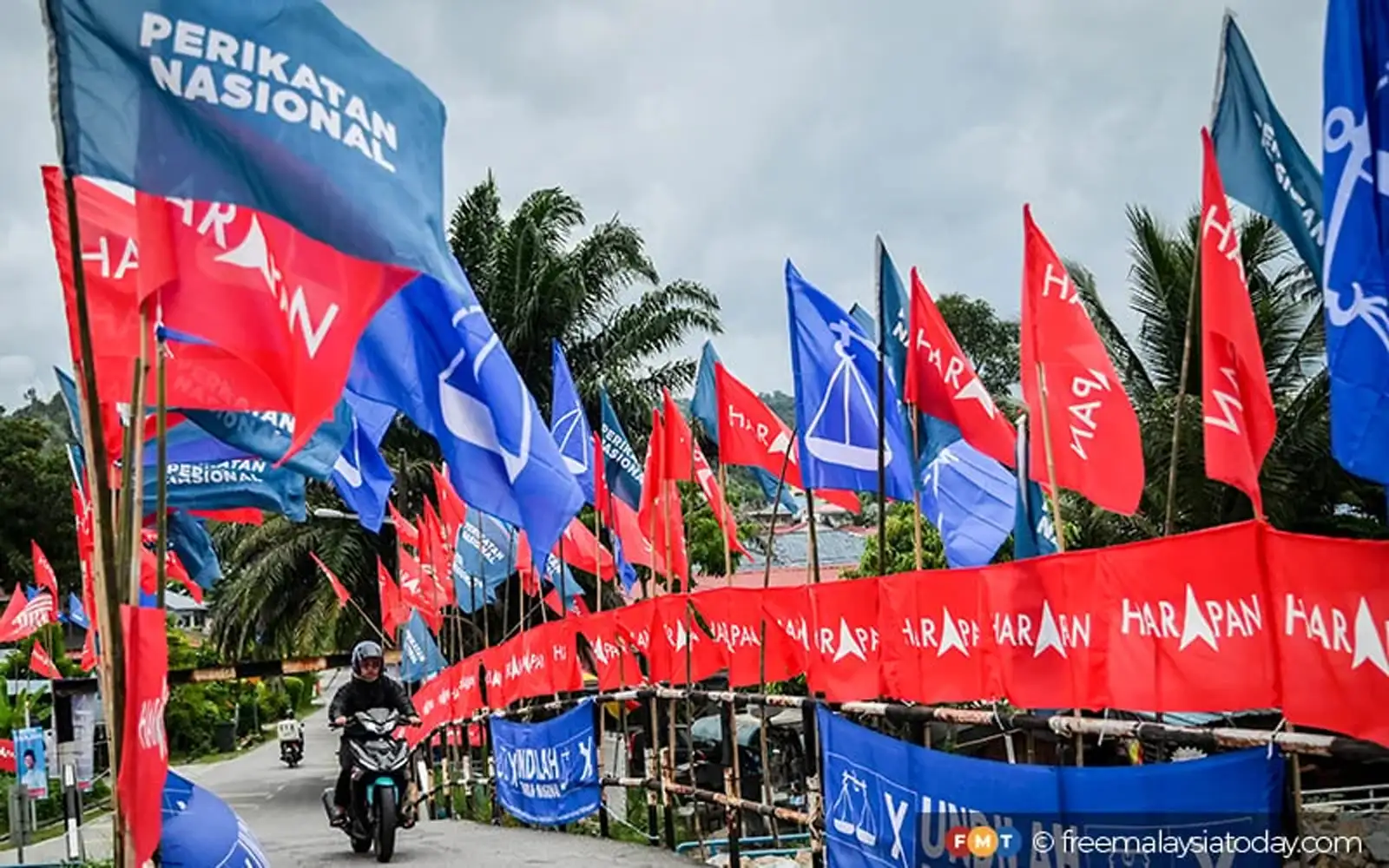
Political parties in Malaysia are being urged to cooperate due to concerns over their own strength, according to analysts. PETALING JAYA: A lack of confidence in their electoral abilities is driving parties to seek alliances, but the uncertainty over potential partners may leave voters confused about who to vote for. Analysts warn that this issue could become even more pressing in the upcoming general election (GE16) if no single party can secure a majority, thus making alliances inevitable.
Tawfik Yaakub of Universiti Malaya stated that almost all parties are now constrained by their geographical reach, voter demographics, and their ability to win outright. He explained that political cooperation has evolved from mere ideological alignment to a strategic approach aimed at preventing party clashes and vote-splitting.
Tawfik Yaakub noted that this is why parties are experimenting with various forms of collaboration, although they must carefully balance potential gains with the risk of diluting their own identities and traditional voter bases. This dilemma is evident in Melaka, where Pakatan Harapan (PH) has sent conflicting signals about possible partnerships.
On September 29, Amanah communications director Khalid Samad affirmed that PH had no intention of working with Barisan Nasional (BN) or Perikatan Nasional (PN), yet Ashraf Mukhlis Minghat, Melaka Amanah chief, later suggested that the coalition had not ruled out cooperation with BN or Bersatu. BN has also kept its options open, with its chairman, Ahmad Zahid Hamidi, stating that the coalition is willing to extend cooperation with PN to Melaka, while Umno secretary-general Asyraf Wajdi Dusuki added that BN's doors remain open to all parties, including PH.
Meanwhile, Bersatu has explicitly ruled out any pact for the Melaka polls, including with PH. Tawfik Yaakub highlighted that conflicting statements from political leaders could create three distinct perceptions among voters: a lack of clear direction, decisions made by elite negotiations, and the possibility of changing positions.
Ahmad Zaharuddin Sani Ahmad Sabri of Global Asia Consulting emphasized that cooperation should not be viewed solely as a matter of seat arithmetic, as each party brings its own legacy, administrative records, leadership track records, controversies, and voters' perceptions. He warned that while a party may gain from another's governance experience, they may also face scrutiny over integrity and institutional management issues.
Ahmad Zaharuddin Sani Ahmad Sabri noted that many voters are now questioning not only who their candidates will be but also what post-election pact their party might strike. He pointed out that voters are increasingly asking, "If I vote for this party, who will they sit with after the results are announced?" Tawfik Yaakub concluded that the challenge after GE16 would be for parties to move beyond a "coalition of numbers" to a "coalition of purpose," as disputes over post-government matters such as post-election seat distribution, economic policy, identity issues, and federal-state relations are likely to arise.
Written by urgent.news from Free Malaysia Today's reporting — not their text. Machine-written — may contain errors; check the original before relying on it.
Also reported by 2 other outlets
- Parties’ weaknesses behind Melaka pact uncertainty, say analysts freemalaysiatoday.com
- Melaka polls: PH-Bersatu pact may boost chances against BN nst.com.my