NST Leader: Make padi farming pay before locking in more land
A DILEMMA was instantly created after the federal government implored state governments to reserve sizeable plots in their respective states for padi growing.
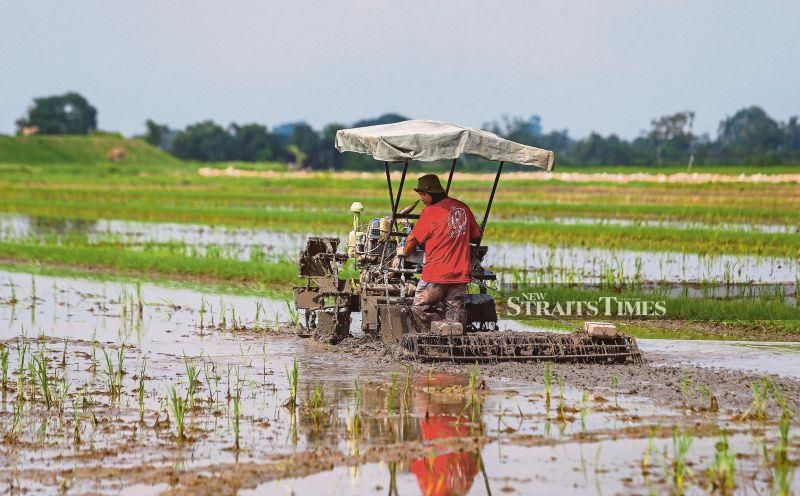
A quandary arose when the central government urged state governments to set aside large areas of land for padi farming. If they agreed, the states might lose hundreds of millions in revenue. Kedah alone loses RM200 million maintaining 113,000 hectares of padi fields. The federal request has a dual purpose: increase Malaysia's rice self-sufficiency ratio from 54.3% in 2025 to 80% by 2030, and boost food security by cutting reliance on RM100 billion in global food imports.
Malaysia's over-reliance on imported staples makes prices vulnerable to global supply shocks, currency fluctuations, and export bans. The federal proposal, agreed upon during a meeting between agriculture ministers and state officials, is possible but complex. States must legally bind their padi fields for rice cultivation only, incorporate them into municipal plans, or add them to the national land use master plan for permanent food production parks.
This prevents unexpected developments or cash crops, as padi fields generate little tax revenue. Padi farming also requires foreign labor and old farming methods that limit yield. Farmers face high costs for fertilizers, fuel, and animal feed, and extreme weather, floods, and poor infrastructure cause post-harvest losses. States control land, so why would they agree?
They all desire development growth. Binding land through gazettement should be a last resort. To make preservation economically appealing, the federal government should provide incentives like matching grants for infrastructure or dedicated food security funds. Farmers, especially the younger generation, need attractive returns.
The government could offer compensation or revenue-sharing. In exchange, states receive funding and development support. Ultimately, modernizing cultivation with corporate methods, drones, and automated irrigation will determine success. The 80% rice self-sufficiency target will depend on farmers' future profits.
Written by urgent.news from New Straits Times's reporting — not their text. Machine-written — may contain errors; check the original before relying on it.