Nigeria cannot import its way out of high petrol costs
Nigeria is no longer arguing about whether it can refine petrol. It is arguing about whether it should still import the same product now that a large local refinery exists. On one side are marketers, some officials, and a competition argument that says a cargo at the jetty keeps prices honest and low. On the […] The post Nigeria cannot import its way out of high petrol costs appeared first on…
Nigeria's decision to continue importing petrol despite having a large local refinery has sparked debate. Marketers and competition advocates argue that keeping a cargo at the jetty helps maintain fair prices, while domestic refiners and industrialists contend that a standing import window does not encourage local value addition.
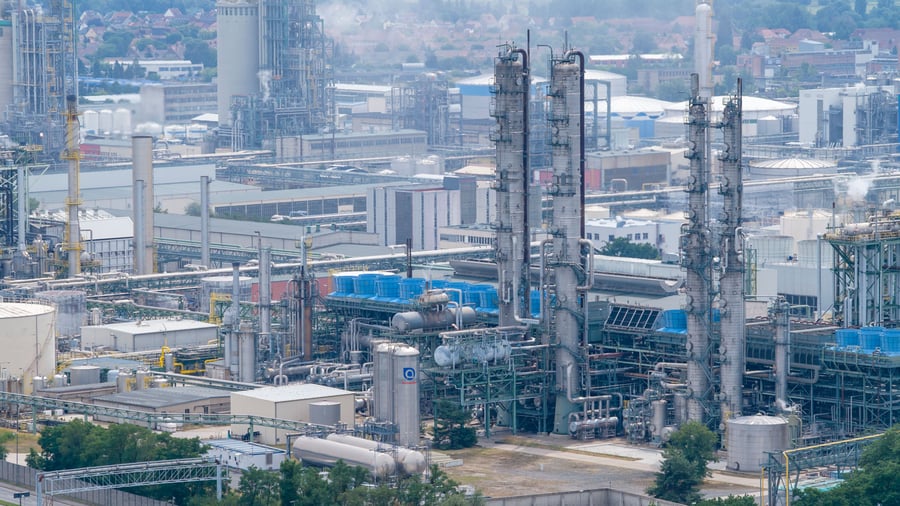
The refinery's capacity, now at 650,000 barrels per day, could theoretically supply about 75 million litres of petrol daily, but actual output sits around 42 million litres. Recent regulator data shows the refinery exporting nearly 10 million litres of petrol daily and maintaining large stocks. However, Nigeria still relies heavily on imports, with the regulator issuing import permits for the fourth quarter of 2026.
The import camp argues that having a backup source is essential for diversification, while the competition case suggests that if the ex-depot price is higher than the landed cargo cost, a monopoly could be created. The Petroleum Industry Act allows for a backwards-integration policy in the downstream sector, treating import licenses as a response to shortfalls, but not as a permanent solution.
Nigeria should import only when output plus independently checked stocks cannot cover the demand for a set number of days, the plant is down, or when a named spec is not being produced that week. Instead, the focus should be on reducing local costs by addressing pipeline, barge, truck, power, and gas reliability, as well as port and storage charges.
Written by urgent.news from Nairametrics's reporting — not their text. Machine-written — may contain errors; check the original before relying on it.