More Than Half of Colombia Still Works Informally
Colombia is creating jobs and reducing unemployment, but behind that improvement remains one of the most difficult structural problems in its economy: for more than half of the people who work in the country, having a job still does not necessarily mean having access to formal employment. The latest informal employment bulletin from DANE, Colombia’s […]
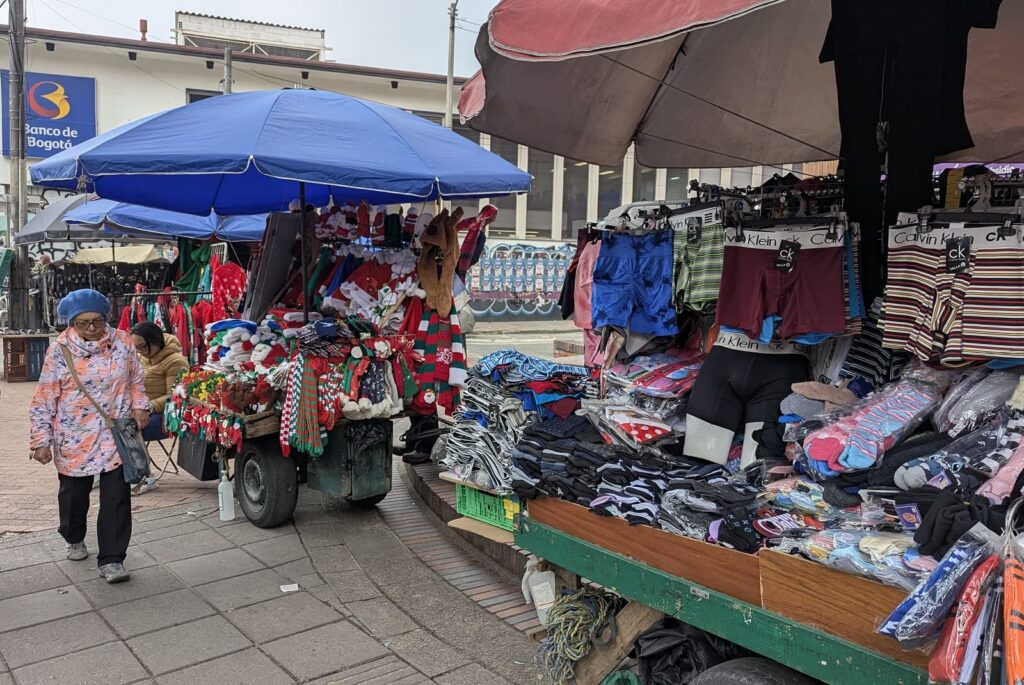
More than half of the workers in Colombia continue to be part of the informal employment sector, highlighting significant gaps in social protection, productivity, and pension coverage. According to the latest data from DANE, Colombia's National Administrative Department of Statistics, 54.6% of the country's employed population was informally employed during the May-July 2026 quarter, a slight decline from 55.0% the previous year.
This figure represents a challenge for Colombia, as it suggests that a large portion of the workforce lacks the benefits and protections typically associated with formal employment.
While Colombia has seen improvements in overall employment indicators, such as a decrease in unemployment rate from 8.8% to 8.1% and an increase in labor force participation to 64.8%, the informality rate remains a critical issue. The informal employment sector encompasses a wide range of workers, including salaried employees and domestic workers who do not have health and pension contributions linked to their employment.
This means that even those who have a job may not have access to essential benefits such as health care or retirement savings.
The disparity in informality rates is also evident when comparing urban and rural areas. In the 13 largest cities and metropolitan areas, 40.6% of employed individuals are informally employed, compared to 83.2% in rural centers and dispersed rural areas. This stark contrast underscores the need for targeted policies to formalize labor in rural regions, where the benefits of a more formalized economy could be most impactful.
The informal employment rate has been gradually declining over the past few years, from 59.1% in 2021 to 54.6% in 2026. However, the progress has been slow and uneven, with significant differences observed between urban and rural populations. Addressing informality is crucial for Colombia's economic development, as it affects fiscal stability, social protection, and productivity.
By improving the formalization of the labor market, particularly in rural areas and among microbusinesses, Colombia could enhance its economic stability, reduce inequality, and strengthen its social protection system.
Written by urgent.news from Colombia One's reporting — not their text. Machine-written — may contain errors; check the original before relying on it.