Urgent.News

What's breaking now, across thousands of outlets.

Science

Moon phase today: What the Moon will look like on October 4, 2026

See the Moon phase expected for October 4, 2026 as well as when the next Full Moon is expected.
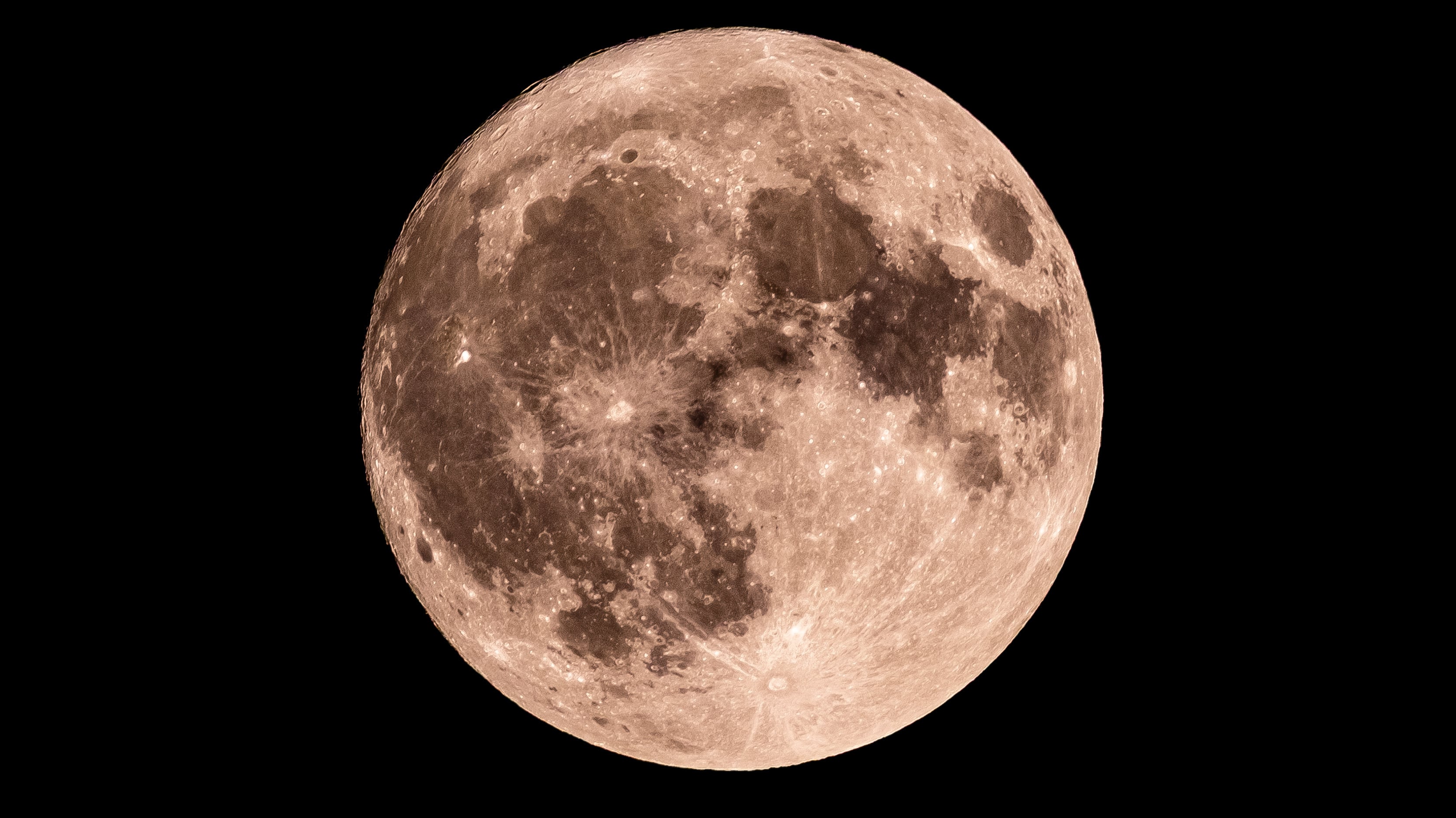
Moon phase today: What the Moon will look like on October 4, 2026

As of October 4, 2026, the Moon is currently in the Waning Crescent phase, with 42% of its surface visible to the naked eye. This phase occurs after the Third Quarter, when more than half of the Moon's visible surface is in darkness. Over the coming nights, the Moon will continue to wane as it approaches the New Moon phase.

If you gaze up at the sky tonight, you can observe several notable features. With your unaided eyes, you can spot Oceanus Procellarum, Kepler Crater, and Tycho Crater. Binoculars will allow you to see the Grimaldi Basin and Mare Humorum. And if you have access to a telescope, you'll be able to witness the Apollo 14 landing spot and the Schiller Crater.

The next Full Moon is expected to occur on October 25 or 26, depending on your time zone. For those unfamiliar, a Full Moon occurs when the entire face of the Moon is illuminated by the Sun's light. This phase is the result of the Moon's position in relation to Earth and the Sun, with the eight distinct phases resulting from the changing angles between these celestial bodies.

Written by urgent.news from Mashable's reporting — not their text. Machine-written — may contain errors; check the original before relying on it.


Read the original at mashable.com →

More in Science

Mars shelter problem can be solved with engineered yeast, gelatin and sand: paper

Future settlers on Mars would need houses, but they must either spend huge sums transporting construction materials from Earth or use enormous amounts of energy to melt Martian soil into bricks. Scientists in Hong Kong say they have developed a quick and low-cost “living” building material made from genetically engineered yeast, gelatin…

Mars shelter problem can be solved with engineered yeast, gelatin and sand: paper

Future settlers on Mars would need houses, but they must either spend huge sums transporting construction materials from Earth or use enormous amounts of energy to melt Martian soil into bricks. Scientists in Hong Kong say they have developed a quick and low-cost “living” building material made from genetically engineered yeast, gelatin…

Changing wildlife in central Tokyo's Imperial Palace sends quiet warning

TOKYO -- The Imperial Palace forest in the heart of Tokyo has long served as a refuge for wildlife. A 30-year project studying the forest has now reac

  • Imperial Palace forest hosts 7,982 species, despite species loss
  • New species Anemone imperialis and Eotetranychus palatiensis discovered
  • Native Japanese tree frog vanished, replaced by bullfrogs and mosquitofish

More from Sunday 4 October →