Microsoft using wetlands and native gardens to 'camouflage' 20-plus data center sites by blending them into nature
Microsoft is bringing nature-inspired landscaping to more than 20 data center sites as critics question its motives.
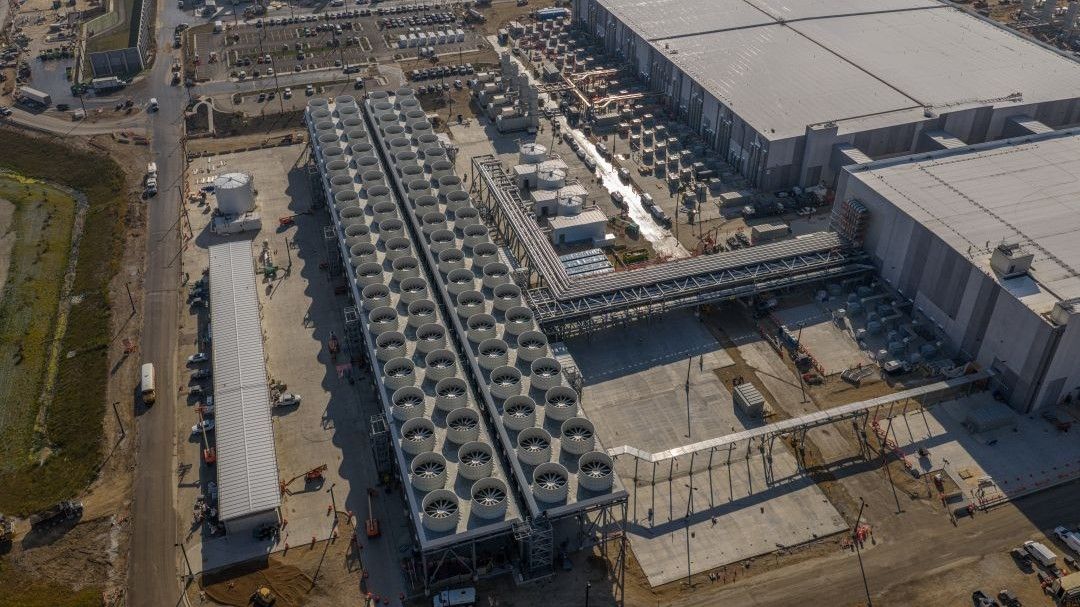
Microsoft’s “biomimicry” initiative is transforming the surroundings of its data centers across 20-plus locations by integrating wetlands and native gardens to seamlessly integrate the facilities into local ecosystems. Critics have raised concerns about the company’s intentions, especially following recent energy agreements, such as a 20-year contract signed in June to purchase power from a planned Chevron gas plant in West Texas. Adrian Shelley, Public Citizen’s Texas director, likened the plan to "lipstick on a pig."
Microsoft states that this strategy is now incorporated into all new projects within the United States and Germany. The primary objective is to merge the data centers with the natural landscape at sites in the U.S. and Germany, soliciting community input and employing ecological research to map the local environment. Microsoft’s team utilizes a tool called Ecosystem Intelligence, which operates on Azure and evaluates various aspects of the site, including water quality, biodiversity, and noise reduction.
Kaitlin Chuzi, Microsoft’s director of global land strategy, asserts that solutions are tailored to the local habitat and aim to restore what was lost, while plant buffers mitigate noise and reduce the visual impact on the communities surrounding the data centers. Notable sites include Mecklenburg County, Virginia; Mount Pleasant, Wisconsin; East Point, Georgia; Bedburg, Germany; and other projects in Ohio, North Carolina, and Wyoming.
The Mount Pleasant site, housing Fairware, touted as the "world’s most powerful AI data center," features 100 acres of prairie and forest in a Lamparek Creek restoration, overseen by the Root-Pike Watershed Initiative Network. Dave Giordano, the site’s executive director, emphasized that Microsoft customized its stormwater ponds with forebays to retain sediment, among other environmental accommodations.
Local officials remain apprehensive about the impact on traffic and the environment, particularly following a 2022 approval to remove 2,642 trees from a 33-acre tract for a data center. San Antonio District 6 Councilmember Ric Galvan expressed concerns about such developments. Microsoft spokesperson Jennifer Lyons countered by emphasizing the company’s investment in over 400 acres of woodland and pollinator prairie restoration in San Antonio and its commitment to leaving the land more productive than when it was acquired.
However, Galvan proposed a moratorium on new data centers, supported by Public Citizen, but the council rejected a blanket pause and is considering zoning regulations instead, with a vote scheduled for October 15.
Critics also point to potential pollution from new gas plants meant to supply energy for the data centers. Chevron’s proposed plant would generate approximately 2.67 gigawatts of power and is expected to commence operations in 2028. Texas Governor Greg Abbott has suspended approvals for data centers connecting to the state’s main power grid until regulators conduct an audit. In September, he vetoed the state’s environmental agency from issuing new data center permits until the audit is completed.
Data usage remains a contentious issue, with water consumption from data centers accounting for only about 0.4% of Texas's total in 2025, according to the Houston Advanced Research Center (HARC). HARC projects a 0.5% to 2.7% increase by 2030. Microsoft’s 2026 Environmental Sustainability Report indicates a 25% rise in emissions in fiscal 2025, attributed primarily to the expansion of its datacenter infrastructure and Microsoft’s discontinuation of unbundled renewable energy certificates.
Despite its carbon-negative and water-positive commitments, Holly Alpine, who worked on ecosystem restoration and climate resilience near Microsoft’s data centers until leaving in 2024, believes there is a disparity between the company’s growth and its sustainability goals.
Alpine highlights the need for a more substantial alignment between data center expansion and environmental stewardship. Microsoft maintains that AI development requires a range of energy solutions in the near term, but remains elusive when asked if it would reconsider its stance on specific sites. Chuzi acknowledged this as an "ongoing learning process to understand what it means to be a good neighbor."
The Houston Advanced Research Center’s Erin Kinney emphasized that the true test lies in how Microsoft measures, monitors, and communicates the benefits to communities, asserting that transparent data would facilitate genuine collaboration between data center operators and local communities to address environmental concerns.
Written by urgent.news from Tom's Hardware's reporting — not their text. Machine-written — may contain errors; check the original before relying on it.