Meet Bailey Quinn Frank, eighth-grader who built low-cost bacterial air sampler
Bailey Quinn Frank has created a groundbreaking air sampler designed to enhance health surveillance in rural areas. Utilizing basic materials such as fans and filters, this device collects airborne bacterial DNA. Findings revealed notable variations in bacterial composition between indoor and outdoor spaces. As a finalist in the Thermo Fisher Scientific Junior Innovators Challenge, Bailey…
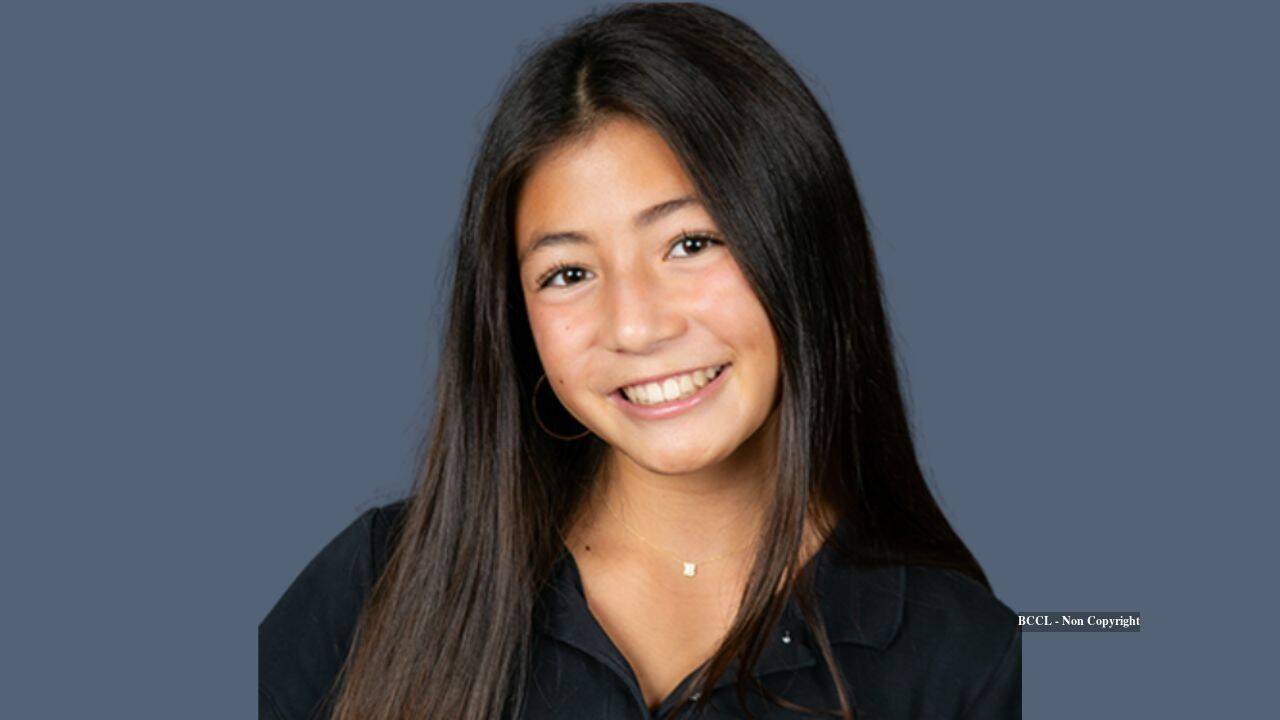
Bailey Quinn Frank, an eighth-grader from Pine Crest School in Fort Lauderdale, has created a low-cost device to collect airborne bacterial DNA. The young inventor aimed to develop a simple air sampler that could support health surveillance in rural communities where advanced diagnostic tools and disease-monitoring systems are often scarce.
Bailey’s innovative project, which earned her a finalist spot in the 2026 Thermo Fisher Scientific Junior Innovators Challenge, draws inspiration from the technique of environmental DNA (eDNA), which captures genetic traces from soil, water, or air to determine the presence of organisms in a specific area.
Inspired by the idea of eDNA, Bailey saw potential in applying the concept to public health. She envisioned a low-cost bacterial air sampler that could be utilized in rural areas, where access to sophisticated equipment and medical infrastructure is limited. This goal was rooted in the broader principle of public health: devising solutions that can be deployed in areas with the greatest need and limited resources.
Bailey’s air sampler consists of small fans attached to filter papers. Air is drawn through the fans and across the filter paper, collecting any DNA or bacteria present in the air. She conducted three air samples: two indoors and one outdoors. After collection, she extracted DNA from the filter papers and grew the bacteria on petri dishes to identify them.
For more precise analysis, she sent selective samples for 16S rRNA sequencing, which identifies bacteria based on a specific region of their genetic code. This approach allowed her to compare bacterial communities found indoors and outdoors with greater accuracy.
The results demonstrated significant differences between indoor and outdoor bacterial compositions. Indoor samples contained a higher variety of bacterial genera and more bacteria associated with human presence, as expected due to human activity, skin cells, and breath contributing to indoor air’s microbial makeup. In contrast, outdoor samples were dominated by bacteria originating from soil, water, air, and plants, reflecting the broader range of sources in that environment.
These findings suggest that a simple, low-cost air sampler can discern meaningful differences in bacterial communities across settings.
Bailey’s project highlights the importance of health surveillance in rural areas. Health surveillance is the ongoing process of tracking diseases and health threats within a population, enabling officials to respond swiftly to outbreaks, understand disease patterns, and allocate resources where they are most needed. Rural communities often face significant infrastructure gaps, including fewer clinics, longer travel distances, and limited diagnostic equipment, making early detection of health threats challenging.
Bailey’s low-cost air sampler offers a promising solution, providing a simple tool without requiring a full laboratory for operation. This device could bridge the gap in rural health surveillance, allowing communities to conduct their own health monitoring. Bailey’s work exemplifies a community-centered innovation, emphasizing the need for health technology that can be built, maintained, and used by the communities it serves.
The 2026 Thermo Fisher Scientific Junior Innovators Challenge selected 30 finalists from middle-school students across the nation, and Bailey’s project, "Designing an eDNA Sampler To Provide Health Surveillance Through the Detection and Identification of Bacterial Pathogens in Rural Communities," earned her a coveted spot in the competition.
Written by urgent.news from Times of India's reporting — not their text. Machine-written — may contain errors; check the original before relying on it.