Los gigantes del motor invierten 7.600 millones en electrificar España
España se sube a la segunda ola de la electrificación en Europa con grandes proyectos de Volkswagen, Renault, Mercedes-Benz, Seat, Stellantis, Chery, Geely o Santana. Leer
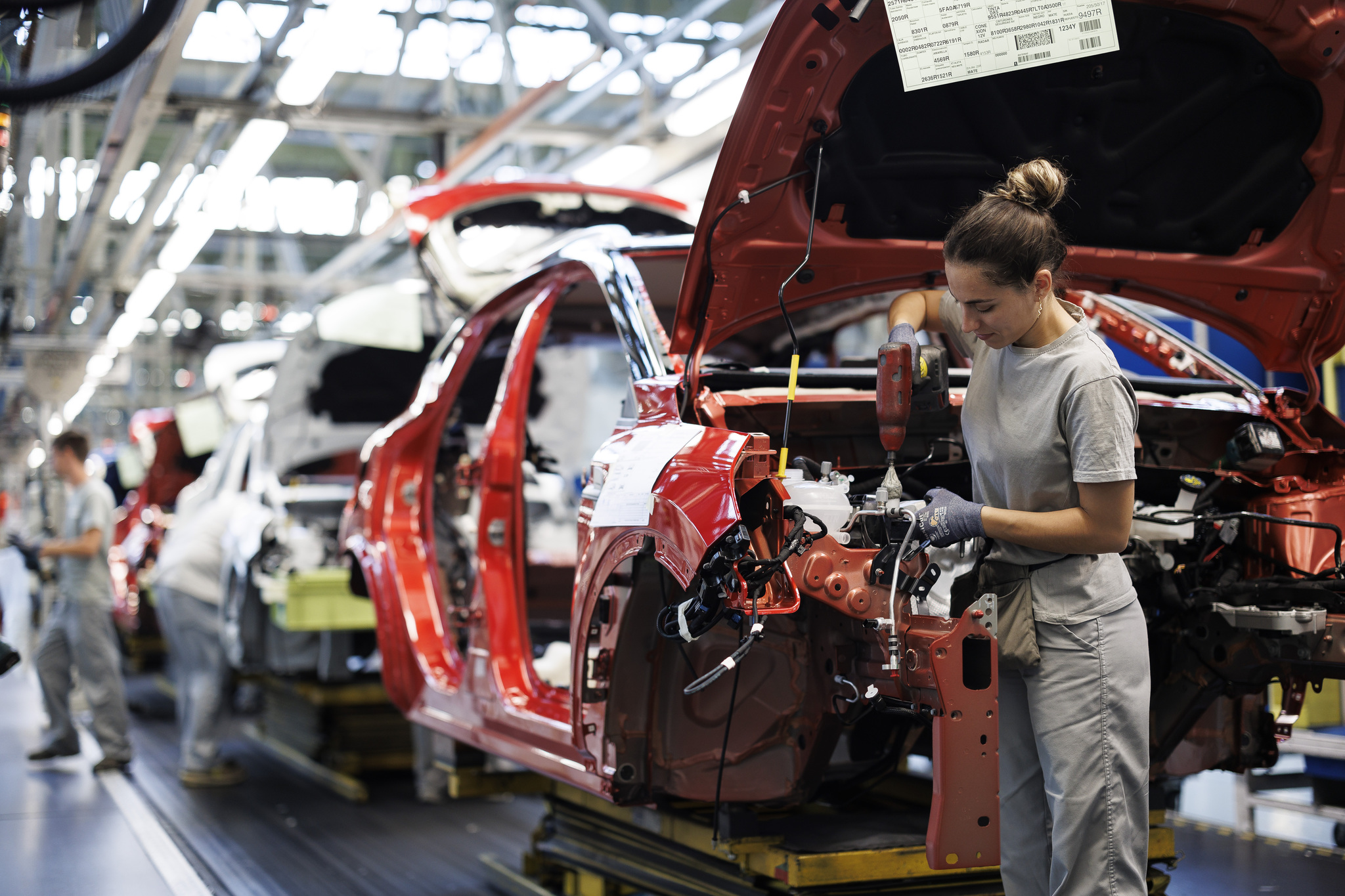
Spain missed out on the first wave of auctions for the first generation of electric vehicles, but is now recovering and becoming a European hub for manufacturing electric, hybrid and plug-in hybrid cars. Major automakers from Europe and China have set their sights on Spain as a potential site for their new electrification projects, resulting in investments exceeding 7.6 billion euros for the production of electric cars in the country in a short period of time.
Established automakers such as Renault, Volkswagen, Seat, Mercedes-Benz, and Stellantis, as well as emerging European players like Chery, SAIC Motor, BAIC, and Geely, have confirmed substantial investments to manufacture new models in Spain. Spain, traditionally the second-largest European vehicle manufacturer and ninth worldwide, has positioned itself as a receiver of new industrial investments, leveraging its strengths such as high-quality production, flexible labor, low production costs, low energy costs, and labor peace.
In addition to its traditional strengths, Spain is benefiting from external factors that are pushing its plants to win key industrial projects. Following the COVID-19 crisis, the Spanish government has proposed using European funds, through the Electric and Connected Vehicle (VEC) tool, to attract strategic projects related to the production of electric vehicles, the value chain, and battery production.
In 2022, the first edition of the VEC was launched, but its success was hindered by stringent requirements. However, following improvements in the conditions of subsequent calls, strategic projects were successfully attracted, such as the gigafactories in Sagunto (VW), Navalmoral de la Mata (Envision), Figueruelas (Stellantis and CATL), and Valladolid (Gotion e InoBat).
Additionally, new vehicle orders were awarded to Spanish factories of Mercedes-Benz in Vitoria, Stellantis in Vigo and Zaragoza, Renault in Palencia and Valladolid, Seat in Barcelona, and Volkswagen in Pamplona. The attraction of electrification programs has also been accelerated by the introduction of strict import tariffs on Chinese-made cars in the EU and the push for local content being debated in Brussels.
This has motivated Chinese manufacturers like BYD, SAIC, Geely, Chery, BAIC, and GWM to consider installing production capacity in Europe, with Spain as the top candidate. The Chery-Ebro plant in Barcelona was the first Chinese brand to set up production in Europe, while BAIC installed a plant in Linares alongside Santana. SAIC Motor, owner of MG or Roewe, plans to establish its first European factory in Galicia.
Other major projects include Renault's 600 million euro investment for producing five new electric models in Valladolid and Palencia, Volkswagen's 1 billion euro commitment to adapt the Landau plant for the production of Skoda Epiq and VW ID. Cross, Seat's 3 billion euro investment for manufacturing the Cupra Raval and VW ID. Polo, Stellantis' 1 billion euro investment for adapting Vigo and Zaragoza plants for the production of new electric family cars based on the STLA 1 platform, and Mercedes-Benz's 1 billion euro investment for manufacturing electric lorries in Vitoria.
Chinese manufacturers' investments include Chery's 532 million euro investment for the Ebro plant in Barcelona, BAIC's undisclosed amount for the Santana plant, Geely's 221 million euro investment for acquiring a 34% stake in Ford's Almussafes plant, which will start producing five multinew energy models, two of which will be electric, and SAIC's 200 million euro investment for building a hybrid and electric assembly plant in Ferrolterra.
Written by urgent.news from Expansion ES's reporting — not their text. Machine-written — may contain errors; check the original before relying on it.