Kecurian kabel bukan lagi jenayah biasa
Kerajaan perlu bongkar keseluruhan rangkaian sindiket, termasuk dalang, orang tengah, pengangkut serta mana-mana pihak yang membeli kabel atau logam yang disyaki diperoleh melalui kegiatan jenayah.
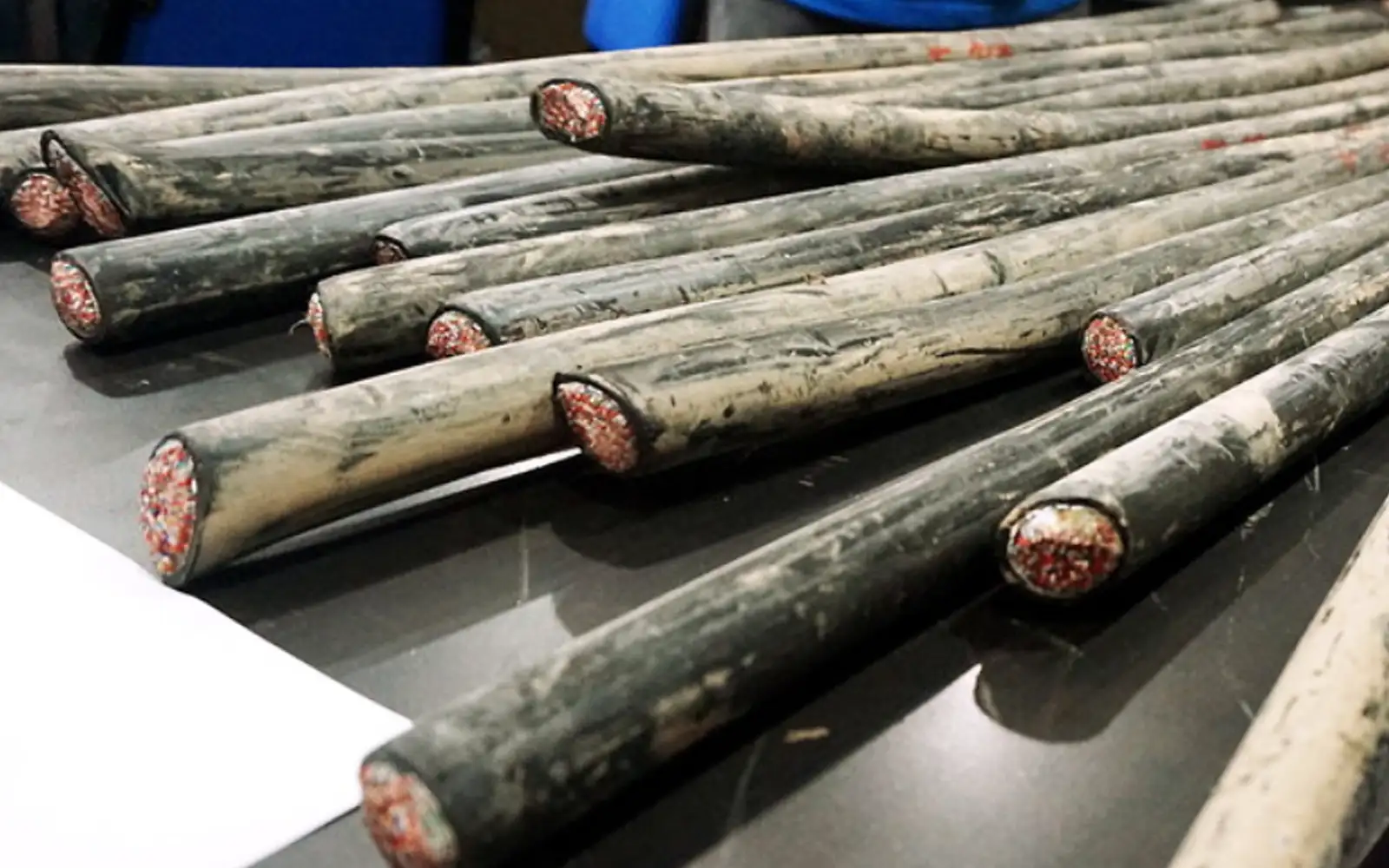
Malaysia cannot longer view cable theft as mere property crime, said Iskandar Khoo Kuan Yiaw. The issue is far more concerning, widespread, brazen and impacting people's lives and national development. Each time he reads a report about stolen cables or sees related videos, a question arises - how well are we protecting our strategic assets?
Cables are not mere metal that can be sold for profit. They are the lifeblood of electricity supply, telecommunications, transport systems and numerous public amenities used daily by millions of citizens. The most disheartening aspect is that ordinary citizens become victims. When there are power outages, communication lines down, or transport systems disrupted due to cable theft, people lose time, businesses suffer losses, and the government has to spend millions more from taxpayers' money to repair damage that could have been prevented.
Recently, there have been concerns about the effectiveness of enforcement actions. Social media videos have sparked various questions among the public. While each incident needs to be investigated based on facts and legal procedures, public perception of the level of enforcement cannot be taken lightly. Public trust in law enforcement agencies needs to be maintained through professional, prompt and clear actions.
In my opinion, the impact of cable theft far exceeds the value of the cables stolen. It can cripple business operations, disrupt healthcare services, hamper communication, disrupt industrial activities and undermine investor confidence in the country's ability to protect infrastructure. Although I'm not saying every perpetrator has intent to sabotage the nation, I believe the impact left by this activity is akin to a form of sabotage against our strategic assets.
Infrastructure built using taxpayers' money has been damaged for the benefit of a few. The consequences are borne not only by the government but by the entire nation. Treating cable theft solely as a theft offense is not enough. The government needs to dismantle the entire syndicate, including the masterminds, intermediaries, transporters, and anyone who buys cables or metal obtained through criminal activities.
As long as there is a market for stolen cables, this syndicate will continue to thrive. I also believe that sentencing for offenses involving critical national infrastructure needs to be reevaluated to match the impact borne by the public. At the same time, the use of technologies such as smart cameras, surveillance drones, cable monitoring systems and frequent patrols needs to be enhanced to reduce the opportunities for this crime to occur.
In any country, anyone who intentionally damages critical infrastructure for personal gain cannot be considered mere thief. They are attacking the public interest. Although their motives may be planned crime rather than surveillance operation, the impact left is akin to a sabotage act against our strategic assets, weakening national security, economy and people's welfare.
Malaysia needs a stronger stance in protecting strategic assets. If we truly value taxpayers' money and wish to build a progressive and competitive nation, we cannot compromise with crime threatening national infrastructure. In my view, protecting national assets is a shared responsibility, and it is time we treat cable theft as a serious threat requiring extraordinary actions.
Written by urgent.news from Free Malaysia Today's reporting — not their text. Machine-written — may contain errors; check the original before relying on it.
This story
This is one outlet's version. Read the fullest account.
- Kecurian kabel bukan lagi jenayah biasa freemalaysiatoday.com