Japan’s population is shrinking at an accelerating rate, but the nationalist prime minister is making it harder for foreigners to live there
The latest five-year census showed the number of Japanese nationals declined by 3.5% to 119.1 million in 2025, following a 1.4% drop in the 2020 count.
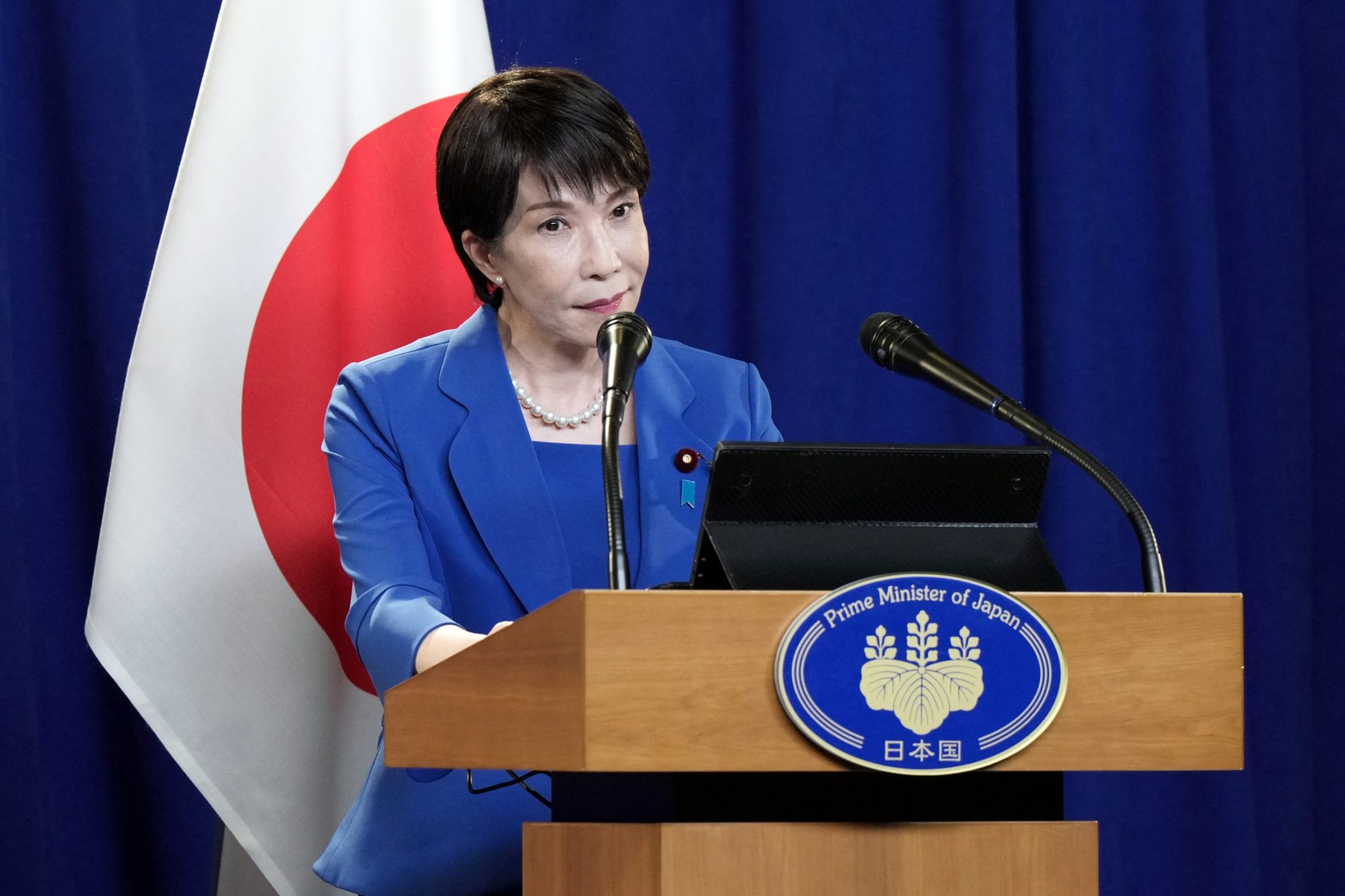
Japan's population has been shrinking rapidly, with the latest census data revealing a 2.5% decrease in total population to 22.9 million in 2025, compared to 2020. The number of Japanese nationals dropped by 3.5% to 119.1 million, while foreign residents surged by 40% to 3.84 million, marking a record high. This demographic situation is further compounded by an aging population, with people aged 65 and older comprising 29.4% of the total population.
The government has responded to these trends by implementing stricter rules for foreign nationals seeking to reside in Japan, including a significant increase in fees for permanent residency and a five-year residence permit. These measures, coupled with the introduction of a language and customs evaluation for applicants, have sparked a political backlash, particularly as Prime Minister Sanae Takaichi adopts a more nationalist and right-wing approach.
The government's shift towards stricter immigration policies has drawn criticism, with Takaichi arguing that the changes aim to create a more orderly and secure environment for both citizens and foreigners.
Written by urgent.news from Fortune's reporting — not their text. Machine-written — may contain errors; check the original before relying on it.