Japan changes the language around parent-child deaths
A long-standing term tied to lovers and family suicides is being reconsidered to better reflect children's lack of choice.
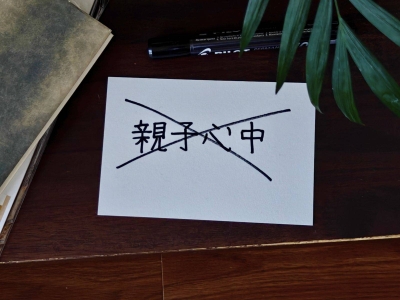
Japan's film "Kokuho," or "National Treasure," introduced audiences to the term 心中 (shinjū, lovers' suicide). This concept originated from the 17th-century play "Sonezaki Shinjū," authored by Chikamatsu Monzaemon. The play, a bunraku puppet performance, chronicles the tragic story of two lovers who commit suicide together. Due to its immense popularity, the word 心中 has become deeply ingrained in Japanese literature and theater, particularly in contexts involving lovers' suicides, with 心中物 (shinjūmono) being a term used to classify such theatrical works.
However, the term extends beyond romantic relationships. Expressions like 一家心中 (ikka shinjū, family suicide), 親子心中 (oyako shinjū, parent-child suicide), and 無理心中 (muri shinjū, murder-suicide) demonstrate its broader application. The question arises: can such tragic deaths be deemed suicides if the child involved is not of legal age to provide consent?
Written by urgent.news from Japan Times's reporting — not their text. Machine-written — may contain errors; check the original before relying on it.