Is your office pushing you into 'survival mode'?
Not all workplaces are the same, but if you work in an office, some of the common features could be making it harder for you to get your best work done.
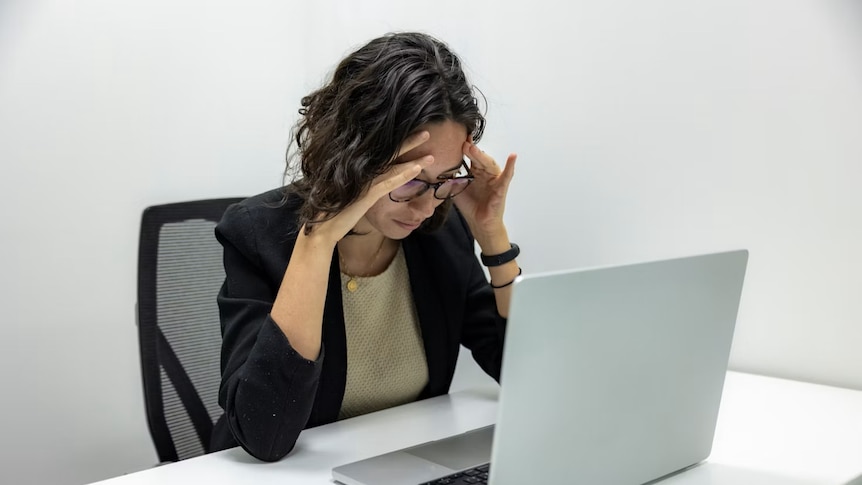
Office environments can contribute significantly to an employee's well-being and productivity, according to neurologist and CEO Patrick Aouad. He highlights that working in an environment that doesn't allow for feelings of creativity, calmness, or connection can result in underperformance. Harsh fluorescent lighting without natural light exposure is a design flaw, as it disrupts the natural circadian rhythm, which can lead to eye strain, headaches, and even dizziness, says Libby Sander, an organizational behavior professor.
Artificial lighting and a lack of natural light can also elevate stress markers, research suggests. Michael Spinoglio, a workplace design director, explains that fluorescent lighting was a practical choice for older office designs, but modern workplaces should consider individual sensitivity to artificial light, glare, and flicker.
Dr. Aouad points out that open-plan offices, while great for collaboration, can lead to privacy and concentration issues, causing stress and negative mood. To improve office conditions, employees can turn off overhead fluorescent lighting and use desk lamps, while employers can implement circadian lighting, flexible work arrangements, and sensory-friendly spaces.
By providing options for lighting, noise, and privacy, workplaces can help employees feel comfortable and perform at their best, avoiding the dreaded 'survival mode.'
Written by urgent.news from ABC News AU's reporting — not their text. Machine-written — may contain errors; check the original before relying on it.