Inside the Russian town next to a nuclear plant
In Udomlya, residents fish, swim and raise families just kilometres from one of Russia’s largest nuclear power plants.
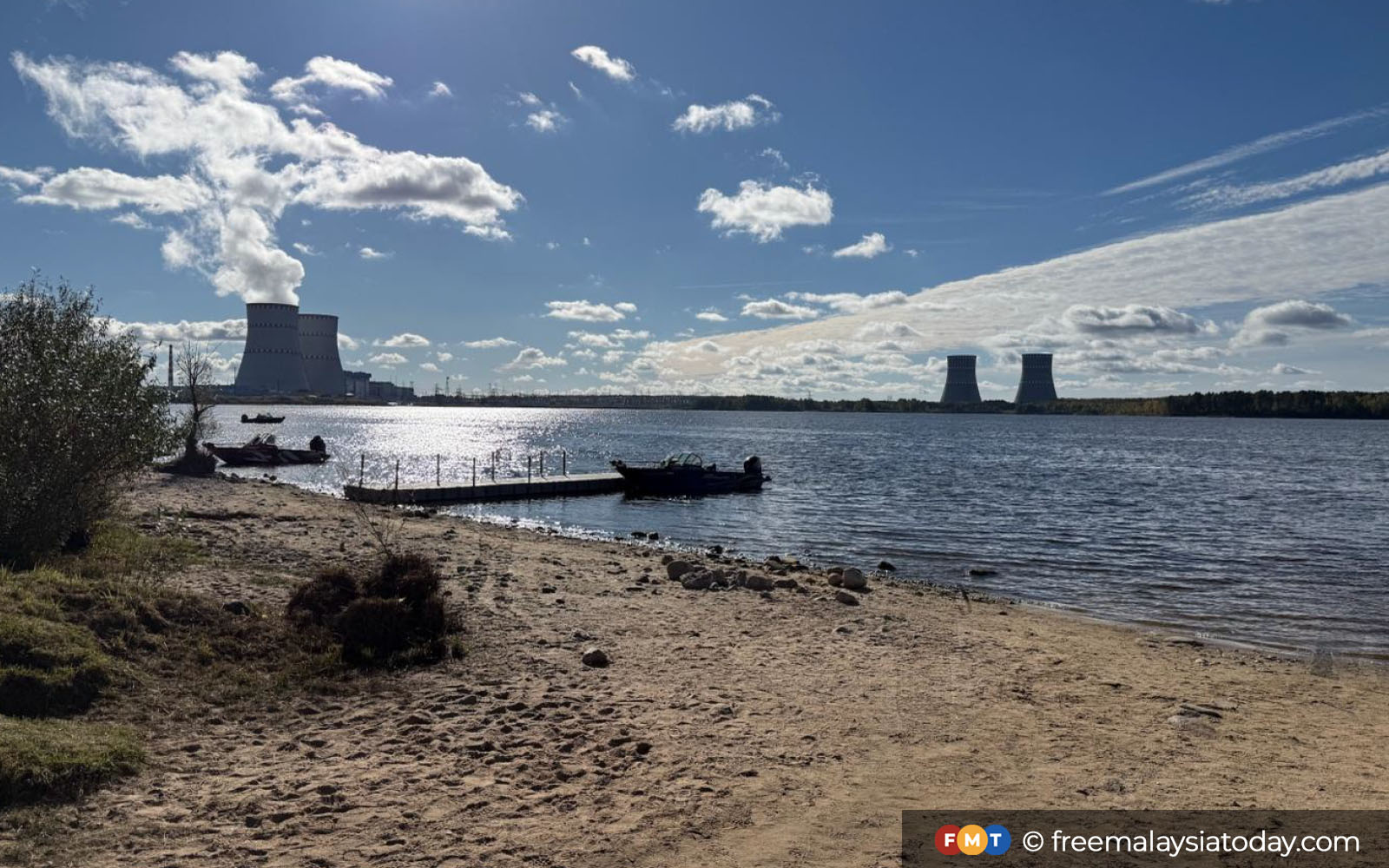
Udomlya is a small Russian town, about 200km northwest of Moscow. It is home to the Kalinin Nuclear Power Plant, a four-reactor facility that heavily influences both the town’s skyline and economy. Despite the presence of the plant, life in Udomlya appears largely normal. Residents fish in the lake, tend to gardens, and swim in the water.
The plant is surrounded by two lakes, including Lake Udomlya, which plays a role in its cooling system. The water is strictly monitored for radionuclides, temperature, and other indicators, with residents provided with real-time radiation dose rate information through display boards and online platforms.
The relationship between Udomlya and the nuclear plant extends beyond geography. The plant provides roughly 6,000 jobs, approximately 25% of the working-age population in the municipal district. Kalinin officials emphasize continuous monitoring and information sharing to ensure safety. A representative notes that a sanitary protection zone surrounds the station, with a wider monitoring zone beyond.
Both manual and automated systems track radiation dose rates around the plant, with residents able to access this data themselves.
The openness of the monitoring process is noteworthy. One in four residents of Udomlya depend on the nuclear industry for their livelihoods. The plant also collaborates with local educational institutions to build its future workforce. A young shift supervisor mentioned his journey from university graduation to his current position at the plant, highlighting the deep integration between the plant and the town.
A highlight of the author’s visit was a fishing tournament held on Lake Udomlya, involving teams from various countries. The plant’s cooling towers were visible in the background. Malaysia emerged as the winner, with its team comprising an accountant by training and a nuclear engineer from Malaysia. Despite the serious environmental implications of nuclear operations, the fishing tournament served as an engaging environmental message.
Radiation levels in Udomlya were found to be remarkably low, with a handheld detector registering 44 nanosieverts per hour. This is significantly lower than natural background radiation levels recorded in other urban areas. The author emphasizes that radiation is ubiquitous, existing naturally in the environment, and living near a nuclear plant does not inherently expose residents to excessive radiation.
Written by urgent.news from Free Malaysia Today's reporting — not their text. Machine-written — may contain errors; check the original before relying on it.
Also reported by 1 other outlet
- Inside the Russian town next to a nuclear plant freemalaysiatoday.com