‘India Has The Curiosity To Understand’: Yamaroku Shoyu’s Fifth-Generation Owner On India’s Growing Appetite For Premium Soy Sauce
For most people, soy sauce is an everyday condiment. For Yasuo Yamamoto, fifth-generation owner of Japan’s 150-year-old Yamaroku Shoyu brewery, it is a four-year exercise in patience, craftsmanship and tradition. And he believes India may be ready to appreciate the difference. Yamamoto’s recent India visit surprised him. Many chefs and consumers had never tasted shoyu traditionally fermented and…
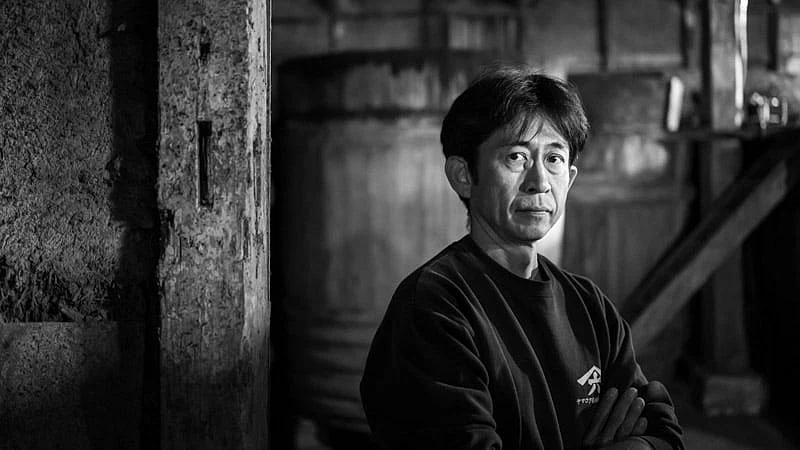
Most individuals view soy sauce as a common seasoning. However, Yasuo Yamamoto, the fifth-generation owner of the 150-year-old Yamaroku Shoyu brewery, perceives it as a patient and time-consuming process of craftsmanship and tradition. Yamamoto recently visited India, which piqued his interest. Many Indian chefs and consumers had not experienced shoyu traditionally fermented and aged in wooden barrels.
The experience left a lasting impression. Yamamoto was astonished that many Indians knew soy sauce but were unfamiliar with the depth of craftsmanship and time involved in its production. Curiosity quickly turned into demand. Upon tasting, guests purchased bottles for their loved ones, and chefs expressed interest in learning about the barrels, fermentation, and ageing process.
Yamamoto emphasized India's unique potential as a market, stating that it possesses a curiosity to understand the story behind the food it consumes.
Producing Yamaroku's Tsuru-bishio takes around four years, and its 500ml bottle is priced at approximately $45–50 in the United States, the brewery's primary international market. Given this premium over conventional soy sauce, Yamamoto understands the challenge of convincing consumers to try a product four or five times more expensive.
India initially met this challenge with curiosity but ultimately appreciated its value. Yamamoto compared the experience to riding a high-performance motorcycle: while a standard motorcycle can get you from point A to B, a Hayabusa or Kawasaki Ninja offers a superior journey. Hence, Yamaroku is concentrating on catering to chefs, upscale restaurants, luxury hotels, and enthusiasts who appreciate exceptional ingredients for personal consumption.
Corporate gifting is another possible market for Yamaroku, as they produce limited quantities and do not wish to be accessible to everyone.
Yamaroku aims to create a small community around traditional craftsmanship through collaborations with chefs, tastings, fermentation workshops, and partnerships with restaurants and hotels. Yamamoto aspires for Indians to become enamored with traditional Japanese food culture and craftsmanship through their experiences. He recognizes that India already possesses a rich history of fermentation traditions, which could serve as a natural bridge.
He is keen to explore the potential of Indian fermented foods, such as pickles, and believes that Yamaroku's Tsuru-bishio could enhance various Indian dishes, including pani puri, kebabs, grilled meats, and curries.
Beyond its role in Japanese cuisine, Yamaroku is dedicated to preserving the kioke barrel-making tradition, a craft that is fading in Japan. The brewery teaches barrel-making and explores new applications, such as beer, coffee, and hot sauce fermentation. Yamamoto emphasizes that sharing knowledge and preserving the tradition are more important than protecting their market.
This philosophy explains why he does not see mass-produced soy sauce as a direct competitor. Yamamoto's five-year goal is to make India Yamaroku's largest international market, but he believes that fostering a community that appreciates and preserves the tradition is the true success.
Written by urgent.news from Free Press Journal's reporting — not their text. Machine-written — may contain errors; check the original before relying on it.