In a first, Ladakh grows saffron on a large scale: Why are Iranian corms being tested on barren land? Know importance
The saffron cultivation is being undertaken over 4,000 square metres of previously barren land at Spituk Pharka in Leh, which has been rejuvenated and transformed under Project Him Sarovar.
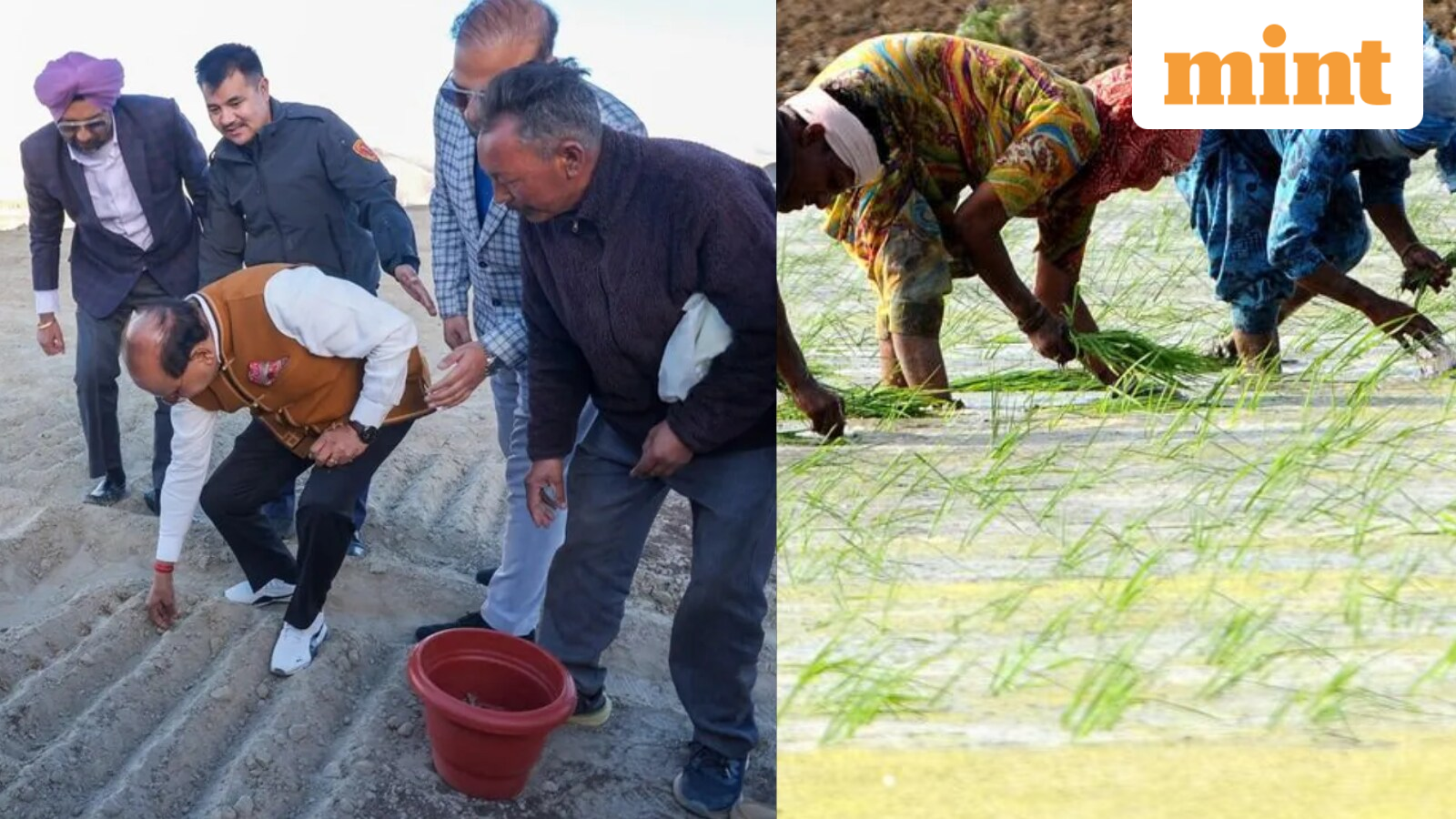
For the first time, Ladakh has embarked on a large-scale saffron cultivation experiment, utilizing barren land to potentially diversify its agricultural offerings. The Union Territory administration, under Lieutenant Governor Vinai Kumar Saxena, has planted 800 kg of premium Iranian saffron corms across 4,000 square meters in Spituk Pharka, Leh.
The initiative, part of Project Him Sarovar, aims to restore degraded land by improving water availability and making it agriculturally viable. Saxena expressed optimism about the ambitious venture, stating that the high-value crop could generate new livelihood opportunities for local communities. Iranian saffron corms were selected due to their adaptability to Ladakh's high-altitude conditions.
Following nearly two years of trials, the administration has also explored the possibility of cultivating saffron in Kargil district. The effort represents a broader strategy to make agriculture more viable in Ladakh, where limited rainfall, short growing seasons, and extreme weather pose significant challenges.
Written by urgent.news from Live Mint's reporting — not their text. Machine-written — may contain errors; check the original before relying on it.